
10 Best Places to Visit in Spain in July (2026 San Fermín & Ibiza)

July in Spain often means battling crowds and serious heat. It's easy to get sucked into the usual tourist spots, leaving you frazzled and wondering why you bothered.
But Spain offers more than just packed beaches and overpriced sangria, especially if you know where to look.
This guide cuts through the noise, giving you proper recommendations for places that actually shine in the summer. We're talking real experiences, proper food, and spots that deliver a good time without all the usual faff.
Forget the brochure speak and the tired clichés; here’s where to head if you want a genuinely cracking trip. You'll thank me later for dodging those holiday traps.

1) San Sebastián
Head to San Sebastián for proper food and a city beach vibe that’s hard to beat. The Concha beach gets busy, but it’s still fantastic for a dip in the cool Atlantic.
Spend your evenings hopping between pintxos bars in the old town; it’s an absolute must. Get there early to grab a spot and try everything on offer.
You’ll find world-class cuisine here, not just fancy Michelin-starred places. It’s a city that knows how to enjoy itself, even in the summer crush.
FAQs/Things to know before visiting San Sebastián
1. Is San Sebastián expensive in July?
It can be pricey, especially for accommodation. Book well in advance to get decent rates, and consider eating pintxos for meals to save some cash.
2. What’s the best way to get around San Sebastián?
The city centre is very walkable. For longer distances or trips out, use the local bus service or hire a bike. Taxis are also readily available.
3. Are the beaches in San Sebastián suitable for families?
Absolutely. La Concha is calm and shallow, making it ideal for kids. Ondarreta beach is also a good option and often a bit quieter.

2) Cadaqués
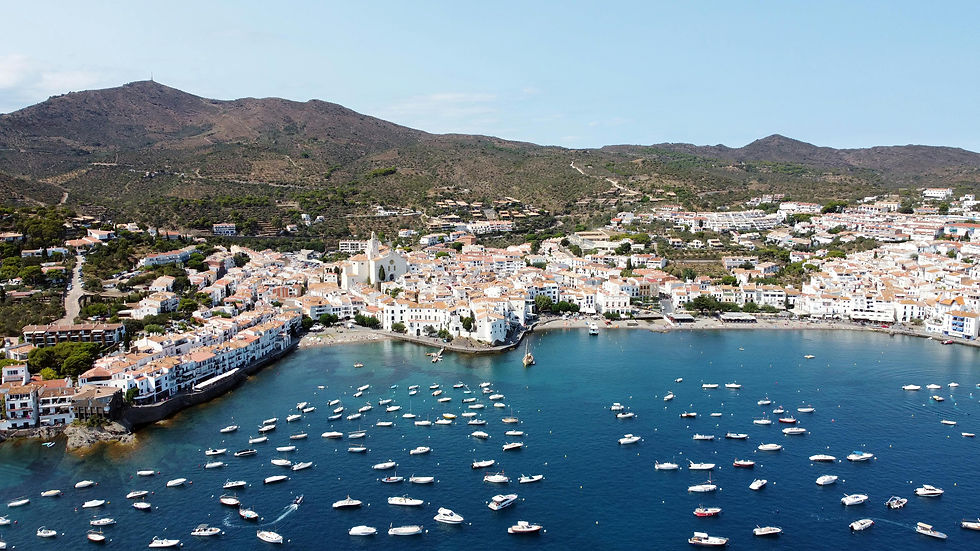
This whitewashed village on the Costa Brava is a proper escape from the typical tourist scrum. It’s got an artsy, bohemian feel that draws you in without trying too hard.
Spend your days swimming in the clear coves or wandering the narrow, winding streets. Go see Salvador Dalí's house in Portlligat for a real insight into his quirky world.
Evenings involve simple, good seafood by the harbour, watching the boats. It's chilled out, genuinely pretty, and exactly what you need for a relaxed summer break.
FAQs/Things to know before visiting Cadaqués
1. How do I get to Cadaqués?
It’s a bit off the beaten track. Drive or take a bus from Figueres. The road is winding, so be prepared for some turns.
2. Is Cadaqués good for nightlife?
Not really for clubbing. It’s more about relaxed drinks at a bar by the sea. Expect a quiet, convivial atmosphere.
3. Are there many shops in Cadaqués?
You'll find independent boutiques and art galleries rather than big chains. It’s great for unique souvenirs and local crafts.

3) Asturias (Picos de Europa region)
If you're fed up with the heat, head north to Asturias for cooler mountain air and serious scenery.
The Picos de Europa National Park offers fantastic hiking trails for all abilities. Drive the winding roads and stop at viewpoints for epic vistas that will properly clear your head.
Try the local cider, poured from a height, and dig into hearty Asturian food like fabada. It’s a proper contrast to southern Spain, green, rugged, and wonderfully refreshing. Get out there and explore the raw beauty.
FAQs/Things to know before visiting Asturias (Picos de Europa region)
1. What's the weather like in the Picos de Europa in July?
Expect mild to warm days, but evenings can be cool. Be prepared for rain showers, even in summer, as it's a mountainous region.
2. Do I need a car to visit the Picos de Europa?
A car gives you the most flexibility to explore. Public transport is limited, especially for reaching trailheads and smaller villages within the park.
3. Are there suitable trails in the Picos de Europa for casual walkers?
Yes, there are many well-marked paths ranging from easy strolls to challenging climbs. Check local tourist offices for maps and recommendations.
4) Santiago de Compostela
Walk into Santiago de Compostela and you feel the history, especially if you've done part of the Camino.
The cathedral is the main draw, obviously, and it's impressive inside and out. Wander the old town's cobbled streets, grabbing some tapas and local Albariño wine.
The atmosphere is always buzzing, full of pilgrims and locals alike. It's a proper historic city that feels alive, even in July. Take your time to soak it all in; don't just rush through. See the sunset over the city walls.
FAQs/Things to know before visiting Santiago de Compostela
1. Is Santiago de Compostela very crowded in July?
Yes, July is peak season due to the number of pilgrims finishing their journey. Expect crowds, especially around the cathedral.
2. What food should I try in Santiago de Compostela?
Definitely go for seafood – octopus (pulpo a la gallega) is a must. Also, try the local empanadas and cheeses, all washed down with Albariño wine.
3. Is it worth visiting Santiago de Compostela if I haven't walked the Camino?
Absolutely. The city's history, architecture, and atmosphere are impressive regardless. You'll still get a sense of the Camino spirit.

5) Mallorca (Valldemossa & Deià)
Forget the package holiday resorts; head to the Sierra de Tramuntana in Mallorca for something truly special.
Valldemossa and Deià are gorgeous stone villages set against dramatic mountains and the deep blue sea.
Spend your days exploring the winding paths or finding a quiet cove for a swim. Go for an evening meal at a local restaurant, enjoying proper Mallorcan food.
It's a more refined, calmer side of the island, perfect for a sophisticated break. You'll find a quiet beauty here that the coast resorts simply don’t offer.
FAQs/Things to know before visiting Mallorca (Valldemossa & Deià)
1. Are Valldemossa and Deià very busy in July?
They can get quite busy during the day with day-trippers. However, evenings are generally more relaxed and tranquil once the crowds leave.
2. What’s the best way to get around Valldemossa & Deià?
A car is highly recommended to explore the mountain roads and reach hidden coves. Public buses connect some villages, but they are less frequent.
3. Can you swim easily near Valldemossa & Deià?
Yes, there are small, rocky coves and beaches like Cala Deià accessible by car or a decent walk. They are perfect for a refreshing dip.

6) Granada
Yes, Granada is hot in July, but the evenings here are magic, making it a cracking option. The Alhambra is the main event, obviously; book your tickets months ahead or you won't get in.
Wander the Albaicín’s narrow streets at sunset for incredible views of the palace. Get stuck into the free tapas tradition – order a drink, get a plate of food.
Catch a flamenco show in Sacromonte for a proper cultural hit. It’s a city that genuinely comes alive after dark. Plan your days around siestas and enjoy the cooler nights.
FAQs/Things to know before visiting Granada
1. How do I cope with the heat in Granada in July?
Pace yourself, drink plenty of water, and embrace the Spanish rhythm of siestas during the hottest part of the day. Focus on early mornings and evenings.
2. Is it difficult to get Alhambra tickets for Granada?
Extremely. Tickets for the Alhambra sell out months in advance, especially for summer. Book as soon as your travel dates are firm.
3. Where should I eat in Granada?
Stick to the Albaicín and Realejo neighbourhoods for authentic tapas bars. Look for places busy with locals – that’s usually a good sign.

7) Menorca
If you want an island holiday without the madness, Menorca is your spot in July. It’s the quieter Balearic island, famous for its untouched coves and clear turquoise waters.
Hire a car and spend your days discovering different beaches; Cala Macarella is stunning but can get busy.
Head to Ciutadella for an evening stroll and a proper seafood dinner by the harbour. It’s about slowing down, enjoying the sun, and getting away from the crowds.
This island does quiet charm better than most.
FAQs/Things to know before visiting Menorca
1. Is Menorca good for families in July?
Absolutely, Menorca is often considered very family-friendly. Many beaches have calm, shallow waters, and the pace is generally relaxed.
2. What are the best beaches in Menorca?
Cala Macarella and Macarelleta are famous, but also check out Cala Galdana for a family-friendly option, or Cala Pregonda for its unique red sand.
3. Is Menorca easy to navigate without a car?
While public buses connect major towns and some resorts, a car gives you the freedom to reach the more secluded beaches and explore Menorca properly.

8) Rías Baixas (Galicia)
For something completely different, head to Rías Baixas in Galicia for world-class Albariño wine and seriously good seafood.
This region is green, lush, and generally cooler than the south, making July a great time to visit.
Tour some vineyards, taste the crisp white wine, and learn about the local production. Get stuck into plates of fresh mussels, scallops, and percebes (gooseneck barnacles) in any coastal town.
It’s a proper food and wine lover’s paradise, without the usual Spanish heat. Enjoy the stunning coastal scenery and fresh sea air.
FAQs/Things to know before visiting Rías Baixas (Galicia)
1. What kind of weather should I expect in Rías Baixas in July?
Expect mild to warm temperatures, often with sunshine but also a chance of cloud and occasional rain. It's generally less hot and more temperate than southern Spain.
2. What are the must-try dishes in Rías Baixas?
Seafood is king here. Try pulpo a feira (Galician-style octopus), zamburiñas (scallops), and fresh oysters. Pair it all with a glass of local Albariño.
3. Is Rías Baixas suitable for a short trip?
Yes, a few days is enough to visit a couple of wineries, enjoy the local gastronomy, and explore some coastal towns in the Rías Baixas region.

9) Tarifa
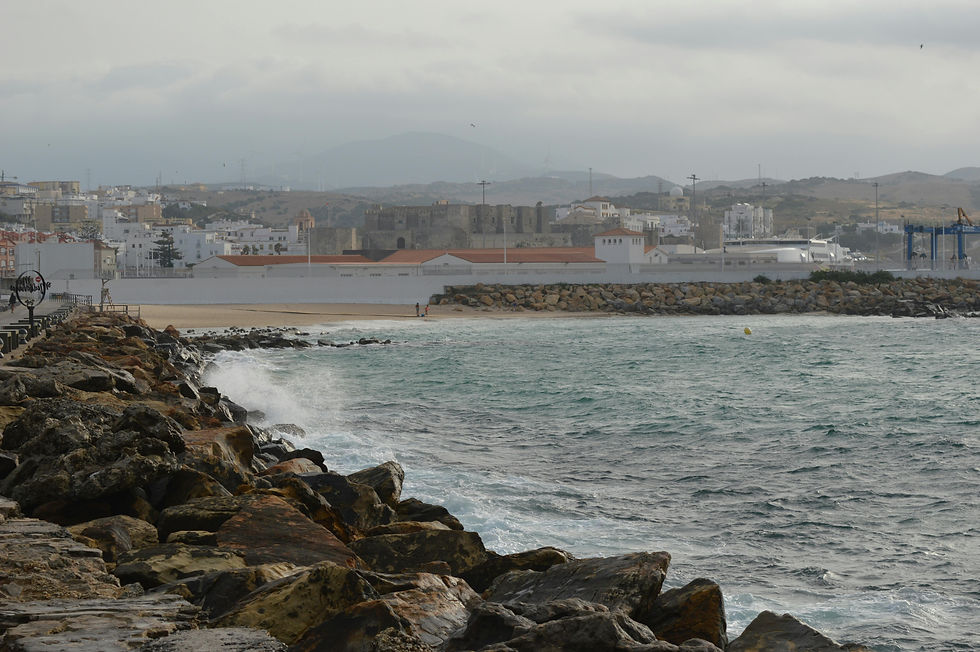
If you're into wind sports or just a proper relaxed, bohemian beach town, Tarifa is the place in July.
It sits where the Mediterranean meets the Atlantic, meaning constant wind – perfect for kitesurfing and windsurfing.
The town itself has a cool, laid-back vibe with plenty of surf shops and beach bars. Spend your days on the vast white sand beaches, soaking up the sun and watching the action.
Evenings mean fresh tuna, cold beers, and a genuinely chilled-out atmosphere. It's not about fancy, it's about good times and the sea.
FAQs/Things to know before visiting Tarifa
1. Is Tarifa good for non-windsurfers?
Absolutely. Even if you don't kitesurf or windsurf, Tarifa offers stunning beaches, a laid-back town, and great opportunities for whale watching or day trips to Morocco.
2. What are the best beaches around Tarifa?
Playa de Los Lances is popular and vast. Valdevaqueros is great for wind sports, and Bolonia offers stunning dunes and an ancient Roman city.
3. How can I get from Tarifa to Morocco?
You can take a fast ferry directly from Tarifa to Tangier, Morocco. The crossing takes about an hour and makes for an easy day trip.
10) Valencia
Valencia offers a brilliant mix of city life and beach relaxation, making it a great July choice.
You've got the futuristic City of Arts and Sciences for something modern and impressive to see. Head to the Turia Gardens, an old riverbed, for cycling or a picnic; it’s a proper green lung for the city.
The city beaches, like Malvarrosa, are easily accessible for a swim and some sun. Eat proper paella here, as it’s its birthplace, usually for lunch.
It’s a vibrant, welcoming city that balances culture with coastal chill-out time effectively.
FAQs/Things to know before visiting Valencia
1. Is Valencia very hot in July?
Valencia can be hot in July, with average temperatures in the high 20s to low 30s Celsius. The coastal breeze often helps make it more manageable than inland cities.
2. What's the best way to get around Valencia?
Valencia has an excellent public transport system including metro and buses. It’s also very flat, so cycling is a popular and enjoyable way to explore the city.
3. Where can I find the best paella in Valencia?
Head towards the beach areas, like Malvarrosa, for traditional paella restaurants. Look for places where locals eat; they often have the best, most authentic versions of paella.

Look, July in Spain can be a bit of a scramble if you just follow the herd. But with a bit of savvy, you can have a truly brilliant trip.
Don't be afraid to veer off the well-trodden path or embrace the local rhythm of siestas and late dinners. Spain is a cracking country, full of diverse spots that offer proper experiences, not just tourist traps.
Pick one of these, book your flights, and actually enjoy your summer holiday. Trust me, you'll come back with better stories than anyone who just stuck to the usual suspects.
When exploring these hidden gems, always consider hiring a guide or joining a tour group, as some locations may require local expertise for the best experience.
Did you know we have a Hidden Gem Finder on our website? This handy little map shows over 13,000 hidden gems across the entire world with their exact co-ordinates available to view on Google Maps as well as an image/description for each one!


Comments