
10 Best Places to Visit in Turkey in January (2026 Snow & Spa Guide)

Most people picture sizzling beaches and crowded markets, but honestly, you're looking at a different beast entirely.
Winter in Turkey brings its own kind of charm, stripping away the tourist hordes and revealing a more authentic, rugged side of the country.
Think crisp air, snow-dusted ancient ruins, and cosy cafes without the elbow-bumping.
You’ll save a few quid on flights and accommodation too. This isn’t a guide for beach loungers; it’s for those who want to properly explore, ski down mountains, or just enjoy a city without fighting for space.
Forget the brochures; this is the real deal for a January escape.

1) Istanbul
Istanbul in January is brilliant because the crowds have mostly gone home. You get to wander through Hagia Sophia and the Blue Mosque without being herded like cattle.
Grab a proper Turkish coffee and watch the Bosphorus ferries chug along in the cool air. The Grand Bazaar is still buzzing, but you can haggle a bit more easily.
Eat your weight in kebabs and baklava, then duck into a hamam to warm up properly. It’s a city that gets busy, but in winter, it’s far more manageable and intimate. Enjoy the historic sites at your own pace.
FAQs/Things to know before visiting Istanbul
1. Is Istanbul cold in January?
Yes, Istanbul can be quite chilly in January, with average temperatures around 5-10°C. Pack warm layers, a good coat, and waterproofs for potential rain or even a bit of snow.
2. What’s the best way to get around Istanbul in winter?
The public transport system in Istanbul is excellent and reliable, even in winter. Use the tram, metro, and ferries to navigate the city efficiently. Traffic can still be an issue for taxis.
3. Are all the attractions open in Istanbul during January?
Most major attractions in Istanbul remain open during January, though some outdoor areas or smaller seasonal businesses might have reduced hours. Always check specific opening times before you go.

2) Cappadocia
Cappadocia transforms into a winter wonderland when the snow falls, making those famous fairy chimneys look even more surreal.
Go for a hot air balloon ride if the weather plays ball; the views of the snow-covered landscape are unforgettable.
Explore the underground cities like Derinkuyu, which offer a warm escape from the cold above ground. You can go hiking through the valleys, just be sure to wear appropriate footwear.
Cosy up in a cave hotel afterwards with some local wine. It’s a quiet and magical experience that you won't get any other time of year.
FAQs/Things to know before visiting Cappadocia
1. Is it possible to do hot air balloon rides in Cappadocia in January?
Hot air balloon flights in Cappadocia are highly dependent on weather conditions. While possible, flights are more prone to cancellation in January due to wind or snow.
2. What kind of clothing should I pack for Cappadocia in January?
Pack very warm clothing for Cappadocia, including thermal layers, a heavy winter coat, gloves, a hat, and waterproof boots. Temperatures can drop below freezing.
3. Are the famous valleys in Cappadocia accessible during winter?
Many valleys in Cappadocia are accessible in January, but some paths might be slippery or covered in snow. Guided tours are recommended for safety and local insights.
3) Uludağ (Bursa)
If you're into skiing or snowboarding, Uludağ is the place to be, and January is prime season.
It’s Turkey’s most popular ski resort, easily reached from Bursa by cable car. You will find plenty of slopes for all skill levels, from beginners to more experienced skiers.
There are also plenty of hotels right on the mountain, offering ski-in/ski-out convenience.
After a day on the pistes, enjoy the après-ski scene with some hot mulled wine. It’s a proper winter escape, offering fantastic views and good quality snow. Get ready for some serious carving.
FAQs/Things to know before visiting Uludağ (Bursa)
1. How do I get to Uludağ from Bursa?
You can reach Uludağ from Bursa by taking the impressive Bursa Teleferik (cable car), which offers scenic views. Alternatively, taxis and private transfers are available.
2. Can beginners ski at Uludağ in January?
Yes, Uludağ has numerous beginner-friendly slopes and ski schools offering lessons. January typically offers good snow conditions for learning and practicing.
3. Is ski equipment rental available in Uludağ?
Absolutely, you will find several shops in Uludağ that rent out ski and snowboard equipment, as well as winter clothing. Prices are generally reasonable.

4) Pamukkale
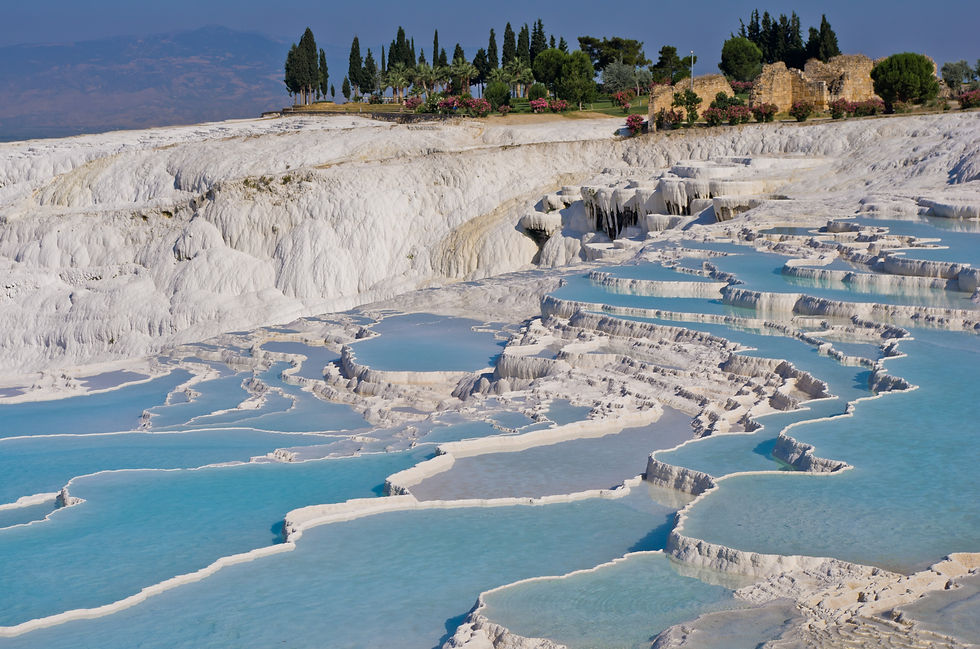
Pamukkale in January offers a different experience than the hot summer months; fewer crowds mean you can enjoy the 'cotton castle' terraces in relative peace.
The thermal waters themselves are warm year-round, making for a pleasant contrast with the cooler air.
You can walk barefoot on the travertines, just be careful as they can be slippery. Explore the ancient city of Hierapolis, right next door, without battling intense heat.
It’s a unique natural wonder, and seeing it in the crisp winter light is something special. The site gets quiet, letting you really take it all in.
FAQs/Things to know before visiting Pamukkale
1. Is it cold to walk on the Pamukkale travertines in January?
The air temperature around Pamukkale can be cool in January, but the thermal waters flowing over the travertines are warm. You will still need to walk barefoot, so be prepared for cooler conditions.
2. Are the thermal pools in Pamukkale suitable for swimming in winter?
The Ancient Pool (Cleopatra's Pool) in Pamukkale is fed by warm thermal springs and is open for swimming year-round. It's a comfortable temperature even in January.
3. What are the operating hours for Pamukkale in January?
Pamukkale usually maintains its regular operating hours in January, though daylight hours are shorter. Always check the official website for any seasonal adjustments.
5) Kars (Ani Ruins)
Kars in January is for the adventurous, as it gets seriously cold and snow-covered.
However, this is precisely what makes a visit to the ancient Ani Ruins so dramatic; seeing the ruined churches and fortifications dusted in snow is incredible.
You can also visit Sarıkamış Ski Centre, which boasts high-quality crystal snow. The city itself has a unique Russian influence in its architecture, perfect for a wander.
Try the local goose dish, a Kars speciality that will warm you right up. It’s an off-the-beaten-path destination, offering a truly wild and memorable winter experience. Embrace the chill.
FAQs/Things to know before visiting Kars (Ani Ruins)
1. How cold does Kars get in January?
Kars experiences very cold temperatures in January, often dropping well below freezing. Expect heavy snow and icy conditions, so pack extreme winter gear.
2. Is public transport reliable in Kars during winter?
Public transport within Kars might be limited, but taxis are available. For getting to the Ani Ruins or Sarıkamış, consider private transfers or organised tours due to road conditions.
3. Are the Ani Ruins in Kars easily accessible in January?
The Ani Ruins are generally accessible in January, but pathways can be snowy and icy. Wear sturdy, waterproof boots and be prepared for walking in challenging conditions.

6) Safranbolu
Safranbolu, a UNESCO World Heritage site, is a charming Ottoman town that looks particularly picturesque with a dusting of snow in January.
Wander through its narrow cobblestone streets, admiring the well-preserved wooden houses.
Visit the Kaymakamlar Museum House to get a feel for traditional Safranbolu life. Try the famous Safranbolu lokum (Turkish delight) and saffron-infused tea to warm up.
The town is much quieter in winter, allowing for a more relaxed exploration. It’s a step back in time, offering history and peace. Get lost in its history.
FAQs/Things to know before visiting Safranbolu
1. What is the weather like in Safranbolu in January?
Safranbolu can be cold and snowy in January, with temperatures often around freezing. Dress warmly in layers and wear good walking shoes for the cobblestone streets.
2. Are the historic houses and museums in Safranbolu open in January?
Most historic houses and museums in Safranbolu remain open during January, though some might operate on reduced winter hours. It’s always best to check specific timings beforehand.
3. Is Safranbolu very crowded in January?
No, Safranbolu is generally much less crowded in January compared to peak season. This offers a more peaceful and authentic experience of the town.

7) Antalya
Antalya in January offers a milder climate than inland Turkey, providing a welcome escape from harsher winters.
You won't be swimming in the sea, but you can enjoy pleasant walks along Konyaaltı Beach or explore the old town (Kaleiçi) without the summer heat.
Visit Hadrian's Gate and the ancient harbour, enjoying the quiet atmosphere. Drive out to the nearby ancient cities of Perge or Aspendos; they are far more enjoyable to explore in cooler weather.
It's a good spot for history buffs and those wanting some winter sun without the crowds. Enjoy the coastal calm.
FAQs/Things to know before visiting Antalya
1. Is Antalya warm enough for beach activities in January?
Antalya is not warm enough for swimming or sunbathing in January, with average temperatures around 10-15°C. However, it's pleasant for walks and enjoying the seaside atmosphere.
2. Are restaurants and shops in Antalya open in January?
Most restaurants and shops in Antalya, especially in Kaleiçi and the city centre, remain open in January, catering to local residents and winter visitors. Some seasonal beachside venues might be closed.
3. What are some good day trips from Antalya in January?
Good day trips from Antalya in January include visiting the ancient cities of Perge, Aspendos, and Termessos, or exploring the Duden Waterfalls. The cooler weather is ideal for these outdoor historical sites.

8) Ephesus (from Izmir)
Visiting Ephesus from Izmir in January is a clever move; you get to explore this incredible ancient Roman city without the scorching summer sun or huge tour groups.
The weather is cool and often crisp, perfect for wandering through the Library of Celsus and the Great Theatre.
Izmir itself offers a lively city experience with great food and a relaxed Aegean vibe. You can enjoy the local seafood and explore the Kordon promenade.
It’s a dose of serious history, made far more enjoyable by the quiet winter atmosphere. Get ready to step back in time.
FAQs/Things to know before visiting Ephesus (from Izmir)
1. What is the typical weather around Ephesus and Izmir in January?
The weather around Ephesus and Izmir in January is generally mild, with average temperatures between 7-12°C. Expect some rain, so bring an umbrella and a waterproof jacket.
2. Are guided tours of Ephesus available in January?
Yes, guided tours of Ephesus are available year-round, including January. Tour operators from Izmir and Selçuk continue to run services.
3. Will the ancient sites near Ephesus be open in January?
All major ancient sites near Ephesus, such as the House of the Virgin Mary and the Basilica of St. John, are open in January. They might have slightly reduced winter hours.

9) Gaziantep
Gaziantep is Turkey’s culinary capital, and January is a great time to indulge without sweating through your shirt.
The city is famous for its pistachios, baklava, and utterly delicious kebabs, perfect comfort food for cooler weather.
Explore the Zeugma Mosaic Museum, home to stunning Roman mosaics, in a peaceful setting. Wander through the historic copper bazaar and pick up some unique souvenirs.
Gaziantep Castle provides great views over the city. It’s a city for serious foodies and culture lovers, offering warmth through its hospitality and incredible dishes. Eat your way through it.
FAQs/Things to know before visiting Gaziantep
1. What kind of weather should I expect in Gaziantep in January?
Gaziantep in January can be cold, with average temperatures around 0-5°C, and occasional snow. Dress warmly, especially if you plan to explore the outdoors.
2. Is Gaziantep a walkable city in winter?
The central areas of Gaziantep, including the bazaars and many historical sites, are quite walkable. Some hills can be slippery if it snows, so wear sturdy shoes.
3. Are the famous food establishments in Gaziantep open in January?
Yes, Gaziantep’s renowned food establishments, including its baklava shops and kebab restaurants, operate normally in January. It's an excellent time to enjoy the local cuisine without peak season crowds.

10) Erzurum (Palandöken)
Erzurum is another top-tier destination for winter sports, home to Palandöken Ski Centre, one of Turkey’s highest and most challenging ski resorts.
January means excellent snow conditions and longer runs, appealing to serious skiers and snowboarders.
The city itself has a distinct Eastern Anatolian feel, with impressive Seljuk-era architecture like the Twin Minaret Madrasah. Warm up with a traditional Cağ Kebab, unique to Erzurum.
It’s a less touristy spot than Uludağ, offering a more authentic Turkish ski experience. Get ready for some serious slopes.
FAQs/Things to know before visiting Erzurum (Palandöken)
1. How cold is Erzurum and Palandöken in January?
Erzurum and Palandöken are exceptionally cold in January, with temperatures frequently dropping well below freezing. Expect heavy snowfall and severe winter conditions, so pack your warmest gear.
2. What is the best way to get to Palandöken Ski Centre from Erzurum city?
Palandöken Ski Centre is very close to Erzurum city center, often just a short bus or taxi ride away. Many hotels in Palandöken also offer shuttle services.
3. Does Palandöken offer ski lessons for all levels in January?
Yes, Palandöken Ski Centre offers ski and snowboard lessons for all skill levels, from beginners to advanced, throughout the winter season, including January. Instructors are readily available.

So there you have it, ten solid reasons to ditch the usual sun-and-sand holiday and explore Turkey in January.
It’s not for everyone, mind. You’ll need to pack properly, accept that some days might be a bit grey, and embrace the chill.
But for those who want a genuine experience, fewer crowds, and a chance to see a different side of this incredible country, winter is your ticket.
Go enjoy the quiet, the snow, and the proper Turkish hospitality without the usual hassle. You won't regret it.
When exploring these hidden gems, always consider hiring a guide or joining a tour group, as some locations may require local expertise for the best experience.
Did you know we have a Hidden Gem Finder on our website? This handy little map shows over 13,000 hidden gems across the entire world with their exact co-ordinates available to view on Google Maps as well as an image/description for each one!



Comments