
10 Best Places to Visit in Spain in January (2026 Sun & Ski Guide)
- Our Hidden Earth

- Jan 2
- 9 min read
Forget the scorching summer crowds and overpriced sangria; January in Spain is a different beast entirely.
You get proper weather, fewer tourists hogging the good spots, and a real feel for how the locals live.
It's not about baking on a beach, it's about soaking up culture, eating proper food, and enjoying cities that aren't bursting at the seams.
This is your chance to see Spain without the usual fuss, and trust me, it’s a smart move for a cracking trip.
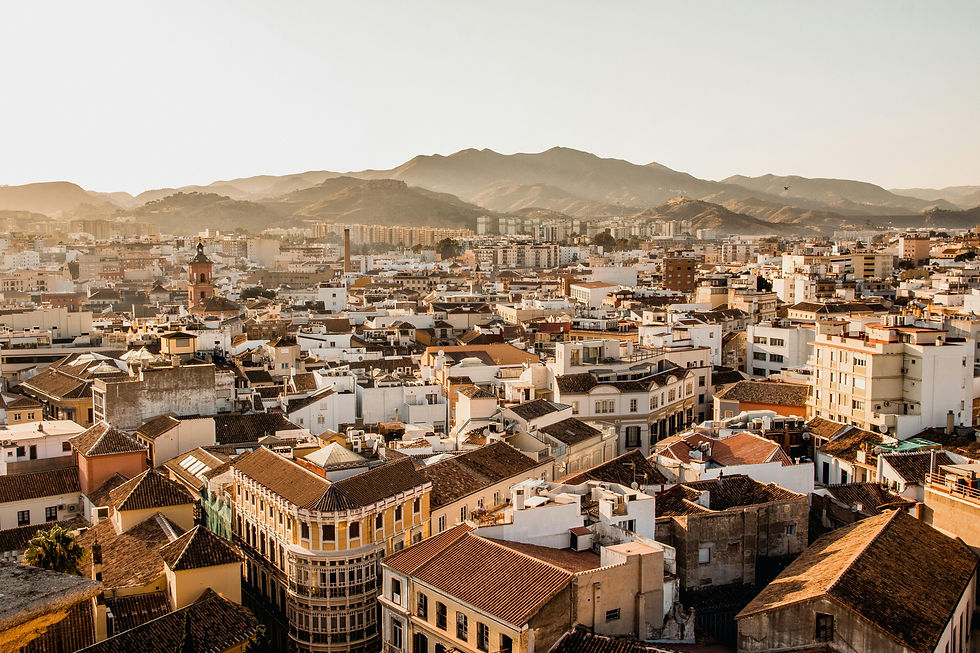
1) Seville
Seville in January is genuinely lovely; it’s cool but often sunny, perfect for exploring without melting.
Walk through the historic Santa Cruz quarter and get lost in its narrow alleys. You will see the orange trees are still full, giving the city a nice burst of colour.
Go visit the Alcázar; the gardens are quieter and you can properly appreciate the intricate details.
Grab some tapas in Triana and watch the world go by from a pavement cafe. Don't miss a flamenco show in a smaller, authentic venue for a real experience. It’s an ideal time to enjoy Seville’s beauty without the summer crush.
FAQs/Things to know before visiting Seville
1. What's the weather like in Seville in January?
January in Seville is generally mild and pleasant, with average temperatures around 10-17°C (50-63°F). You can expect sunny days but prepare for cooler evenings.
2. Are things open in Seville during January?
Yes, Seville is a major city and everything is open as usual in January, often with shorter queues for attractions. It's a great time to visit Seville for a relaxed trip.
3. Is it good for outdoor activities in Seville?
Absolutely. The mild January weather makes it perfect for walking tours, cycling along the river, and exploring the city’s many parks and gardens without overheating.

2) Madrid
Madrid really shines in January, especially after the New Year rush when things settle down.
The air is crisp, and the city hums with a more local rhythm, perfect for urban exploration. Go to the Prado Museum without fighting through huge crowds to see the masterpieces.
Take a stroll through Retiro Park; it's serene and beautiful with a winter chill. You should definitely hit up the tapas bars around La Latina, enjoying the lively atmosphere.
Catch a football match if Real Madrid or Atlético are playing at home. This is your chance to experience Madrid like a local, with fewer tourists around.
FAQs/Things to know before visiting Madrid
1. What sort of clothes should I pack for Madrid in January?
Pack warm layers, including a good coat, scarf, and gloves, as January in Madrid can be quite chilly. Daytime temperatures are typically 6-12°C (43-54°F), dropping significantly at night.
2. Is it expensive to visit Madrid in January?
No, January is generally considered off-peak, so you might find better deals on flights and accommodation for Madrid. Attractions and dining costs remain consistent.
3. Are there any special events in Madrid during January?
After the initial Reyes Magos (Three Kings) celebrations early in the month, January in Madrid focuses on cultural events, theatre, and concerts. Check local listings for specific performances.

3) Granada
Granada in January offers stunning views of the snow-capped Sierra Nevada mountains, a truly dramatic backdrop.
The air is cold, but the city’s warmth and historic charm make it worthwhile. You must book your tickets for the Alhambra well in advance, even in January, as it’s always popular.
Wander through the Albaicín, the old Moorish quarter, and soak up the unique atmosphere. Grab some churros and hot chocolate from a local cafe for a warming treat.
Head up to the Mirador de San Nicolás for an unforgettable sunset view over the Alhambra. Granada gives you a proper feel of Andalusian history without the sweltering heat.
FAQs/Things to know before visiting Granada
1. Can you ski near Granada in January?
Yes, the Sierra Nevada ski resort is just a short drive from Granada and usually has excellent snow conditions in January. It's a popular spot for winter sports.
2. What's the best way to get around Granada in January?
Granada is very walkable, especially its historic areas, though some streets are steep. Public buses are efficient for longer distances or to avoid hills in Granada.
3. Is the Alhambra crowded in January?
While less crowded than summer, the Alhambra remains a major attraction, so booking tickets in advance for your visit to Granada is always advisable. Early mornings are usually quieter.

4) Barcelona
Barcelona in January is fantastic; it’s cool, crisp, and you can actually move around without being crushed.
The post-Christmas sales are in full swing, so it’s a good time for some shopping if that’s your thing. Go visit the Sagrada Familia; you’ll get better photos and spend less time queuing.
Stroll down Las Ramblas, but keep an eye on your belongings, as always. Head to the Gothic Quarter for its historic alleys and discover some great independent shops.
Eat some proper Catalan food in a local restaurant and escape the tourist traps. Barcelona offers its vibrant culture without the typical summer intensity.
FAQs/Things to know before visiting Barcelona
1. What kind of weather should I expect in Barcelona in January?
Barcelona in January is mild, typically ranging from 8-14°C (46-57°F), with a mix of sunny days and occasional rain. It’s generally pleasant for sightseeing.
2. Are all the main attractions open in Barcelona during January?
Most major attractions in Barcelona, including Gaudi's works and museums, operate as usual. Some smaller, seasonal businesses might have reduced hours.
3. Is it worth visiting Barcelona beach in January?
The beach in Barcelona is not for swimming in January, but it's great for a bracing walk along the shore. Enjoy the sea breeze and fewer people.

5) Malaga
Malaga in January is surprisingly mild and often sunny, making it a great escape from colder climes.
It’s a proper city with history, culture, and a lively vibe, not just a gateway to the Costa del Sol. Go explore the Picasso Museum; it’s quieter, and you can really take your time.
Walk up to the Alcazaba and Gibralfaro Castle for cracking views over the city and the sea.
You should definitely eat fresh seafood at a chiringuito along the beachfront. Stroll through the historic centre and enjoy the relaxed Andalusian pace. Malaga offers a genuine Spanish experience without the summer hoards.
FAQs/Things to know before visiting Malaga
1. How warm is Malaga in January?
Malaga enjoys some of the warmest winter temperatures in mainland Europe, often around 12-18°C (54-64°F) in January. It's usually sunny, making it pleasant for outdoor activities.
2. Is it possible to swim in the sea near Malaga in January?
The sea around Malaga is generally too cold for comfortable swimming in January, with water temperatures typically below 15°C (59°F). Locals might brave it, but most won't.
3. What are the best outdoor activities to do in Malaga in January?
January in Malaga is perfect for exploring the city's historic sites, walking along the promenade, and even hiking in the nearby Montes de Málaga natural park. Enjoy the mild weather.
6) Valencia
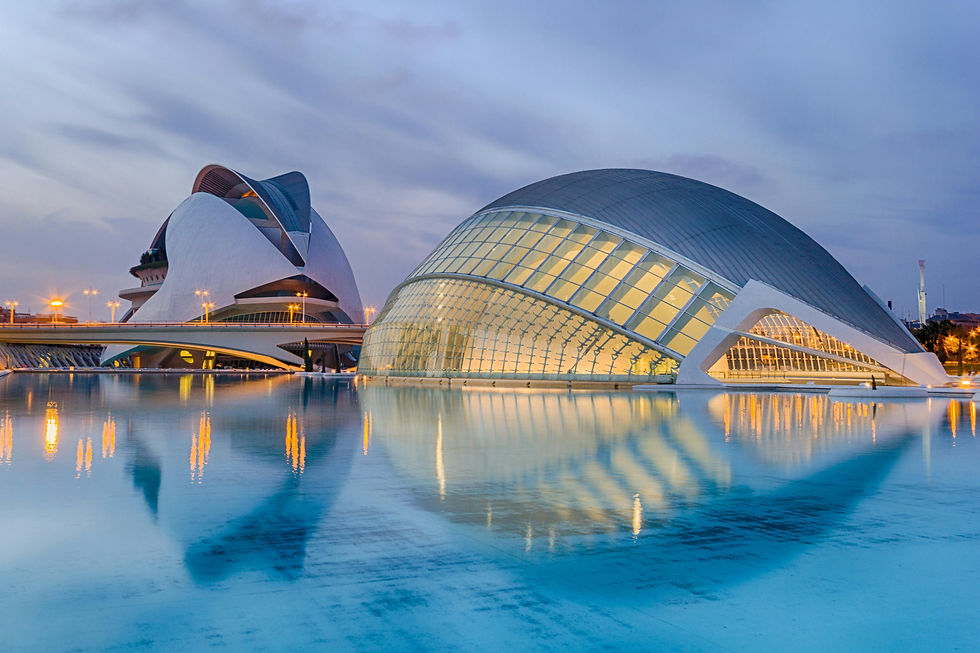
Valencia in January is a treat; it’s cool and sunny, often with clear blue skies, perfect for cycling around.
The city gets busy, but not overwhelming, after the holiday period winds down. Go explore the futuristic City of Arts and Sciences without huge crowds.
Take a long walk through the Turia Gardens, which used to be a riverbed. You absolutely must try a proper Valencian paella in a local restaurant.
Visit the Central Market; it's vibrant and bustling, full of incredible fresh produce. Valencia offers a brilliant mix of old and new, and January lets you experience it comfortably.
FAQs/Things to know before visiting Valencia
1. What are the average temperatures in Valencia in January?
Valencia in January sees average temperatures between 7-16°C (45-61°F). Days are often sunny, but evenings can be quite cool.
2. Is it easy to get around Valencia in January?
Yes, Valencia has an excellent public transport system, and its relatively flat terrain makes cycling easy. The city is very manageable to navigate in January.
3. Are restaurants and shops open as usual in Valencia?
Most businesses, including restaurants, shops, and attractions in Valencia, operate normally in January. Some smaller, family-run establishments might have slightly reduced hours.
7) Bilbao
Bilbao in January is often a bit chilly and prone to rain, but don't let that put you off; it's a vibrant city with plenty to do indoors.
The striking Guggenheim Museum is even more impressive under a dramatic winter sky. Wander through the Casco Viejo (Old Town) and find some fantastic pintxos bars.
You should definitely explore the Azkuna Zentroa, a cultural and leisure centre inside a refurbished wine warehouse.
Take the funicular up Mount Artxanda for cracking views over the city, even if it's a bit misty. Bilbao offers a unique industrial-chic vibe, and winter makes it feel even more authentic.
FAQs/Things to know before visiting Bilbao
1. What kind of weather should I expect in Bilbao in January?
January in Bilbao is typically cool and often damp, with temperatures ranging from 5-12°C (41-54°F). Be prepared for rain, but sunny spells do occur.
2. Is Bilbao a good place for foodies in January?
Absolutely. Bilbao is famous for its pintxos, and January is a fantastic time to enjoy them in warm, cosy bars. Culinary experiences are a highlight of Bilbao.
3. Are there many indoor activities to do in Bilbao when it rains?
Yes, Bilbao has numerous museums, art galleries, and indoor markets, like Mercado de la Ribera, making it perfect for rainy day exploration. The Guggenheim alone can fill hours.

8) San Sebastián
San Sebastián in January is certainly quiet compared to the summer, but it still has a raw, rugged beauty.
The beaches are empty, perfect for bracing walks along the Bay of La Concha. Go up Monte Igueldo via the old funicular for classic views over the city and sea, even if it's windy.
You absolutely must indulge in the incredible pintxos scene in the Parte Vieja; it’s world-class. Explore the city’s elegant Belle Époque architecture without the usual crowds.
Catch some surfing action at Zurriola beach; the waves are often good in winter. San Sebastián might be chilly, but its culinary heart and coastal drama are always on show.
FAQs/Things to know before visiting San Sebastián
1. Is San Sebastián very cold in January?
San Sebastián in January is cool, with temperatures typically between 6-13°C (43-55°F). It can feel colder due to coastal winds, so warm clothing is essential.
2. Is the famous San Sebastián food scene still active in January?
Yes, the renowned pintxos bars and Michelin-starred restaurants in San Sebastián operate year-round. January is a great time to enjoy the culinary delights without intense competition for tables.
3. Are there any winter festivals or events in San Sebastián?
Early January sees the tail end of Christmas festivities. The most significant event in San Sebastián is the Tamborrada drumming festival on January 20th, a huge celebration.

9) Cordoba
Cordoba in January is peaceful and mild, a real contrast to its sweltering summer months.
You can properly appreciate the intricate details of its historic sites without feeling rushed or overheated.
Go visit the Mezquita-Cathedral; it’s an absolute masterpiece and much quieter for contemplation.
Wander through the Jewish Quarter, exploring its charming courtyards and flower-filled streets. You should definitely try some local Cordoban specialities like salmorejo or rabo de toro.
Cross the Roman Bridge at sunset for some stunning views over the city. Cordoba gives you a deep dive into Andalusian history without the usual tourist crush.
FAQs/Things to know before visiting Cordoba
1. What is the typical January weather in Cordoba?
Cordoba experiences mild winters, with January temperatures often ranging from 7-16°C (45-61°F). It's generally sunny, though evenings can be cool.
2. Are Cordoba's patios still worth seeing in January?
While not in full bloom like spring, many of Cordoba's famous patios are still accessible and beautifully maintained. You can appreciate their architecture and intricate designs.
3. Is it necessary to pre-book attractions in Cordoba in January?
For major sites like the Mezquita-Cathedral, it's always a good idea to book tickets for Cordoba in advance, even in January, to guarantee entry and avoid queues.

10) Palma de Mallorca
Palma de Mallorca in January is a breath of fresh air; it’s cool but often sunny, and the island gets back to a more local pace.
You won't find beach crowds, but you will find a charming city ready to be explored. Go visit the magnificent Cathedral-Basilica de Santa María de Palma de Mallorca (La Seu); it’s even more impressive in the quieter months.
Wander through the historic old town, discovering quaint squares and boutique shops. You should definitely explore the Bellver Castle for panoramic views over the city and bay.
Enjoy fresh seafood at a local eatery in Portixol. Palma de Mallorca offers genuine island charm without the summer madness.
FAQs/Things to know before visiting Palma de Mallorca
1. What are the temperatures like in Palma de Mallorca in January?
Palma de Mallorca enjoys mild winter weather in January, with average temperatures between 8-15°C (46-59°F). Expect a mix of sunny and occasionally cloudy days.
2. Is Palma de Mallorca a good winter sun destination?
While not hot for sunbathing, Palma de Mallorca offers pleasant, often sunny days that are perfect for exploring. It's an excellent escape from colder European winters.
3. Are there tourist activities available in Palma de Mallorca in January?
Yes, most attractions, museums, and restaurants in Palma de Mallorca remain open. January is ideal for hiking, cycling, and exploring the island's towns without crowds.

If you want scorching sun and packed beaches, save it for July. But if you’re after real experiences, fewer queues, and the chance to see cities and towns as the locals do, then it’s a smart bet.
You’ll find better deals, more space, and often surprisingly pleasant weather for walking and exploring.
Don’t expect a tan, but do expect great food, rich history, and a proper dose of Spanish culture without the usual fuss. Get stuck in, you won't regret it.
When exploring these hidden gems, always consider hiring a guide or joining a tour group, as some locations may require local expertise for the best experience.
Did you know we have a Hidden Gem Finder on our website? This handy little map shows over 13,000 hidden gems across the entire world with their exact co-ordinates available to view on Google Maps as well as an image/description for each one!


Comments