
10 Best Places to Visit in Indonesia in January (2026 Sun & Rain Guide)
- Our Hidden Earth

- Dec 30, 2025
- 8 min read
Most folks think 'rainy season' and write it off, but that's a mistake. While parts of the country do get a proper soaking, others are actually cracking on with decent weather.
You just need to know where to go to avoid getting rained out or stuck on a cancelled ferry.
This guide cuts through the noise, giving you ten solid spots that offer something worthwhile even when the skies open up elsewhere.
Think fewer crowds, better prices, and a greener landscape. Forget the brochures; this is the real deal for a January trip.

1) Raja Ampat, West Papua
This place is consistently listed as a top dive spot, and January is actually prime time here. You get calm seas, clear visibility, and manta rays are often around.
The weather is generally good, with only sporadic rainfall that usually clears quickly. Think vibrant coral, heaps of fish, and an untouched feel.
Getting there takes a bit of effort, but it's absolutely worth it for the underwater spectacle.
FAQs/Things to know before visiting Raja Ampat, West Papua
1. Is January a good month for diving in Raja Ampat?
Yes, January is considered one of the best months for diving in Raja Ampat, offering calm seas and excellent visibility for marine life encounters.
2. How do you get to Raja Ampat?
You typically fly into Sorong, then take a ferry or a liveaboard boat to reach the islands and dive sites of Raja Ampat.
3. What marine life can you see in Raja Ampat?
You can expect to see abundant fish, manta rays, reef sharks, turtles, and diverse coral species in Raja Ampat's rich waters.

2) Sumba Island, East Nusa Tenggara
Sumba offers a different vibe, less about beaches and more about rugged landscapes and rich culture.
January might see some rain, but often it's lighter than in other parts of Indonesia. This means lush, green scenery and dramatic waterfalls in full flow. It's a great time to explore traditional villages and witness unique cultural events if your timing is right.
The local markets are buzzing, and you can pick up intricate ikat weaving. Come here for an authentic experience away from the usual tourist circuit.
FAQs/Things to know before visiting Sumba Island, East Nusa Tenggara
1. What kind of cultural experiences can you have on Sumba Island?
Sumba Island is known for its traditional villages like Prailiu, unique architecture, and impressive ikat weaving demonstrations.
2. Is it rainy on Sumba Island in January?
January in Sumba Island sees some rain, but often it's lighter and more sporadic compared to other Indonesian islands during this time.
3. What are the must-see natural attractions on Sumba Island?
Don't miss Lake Weekuri for its clear water, and the powerful Waimarang Waterfalls after the rains.
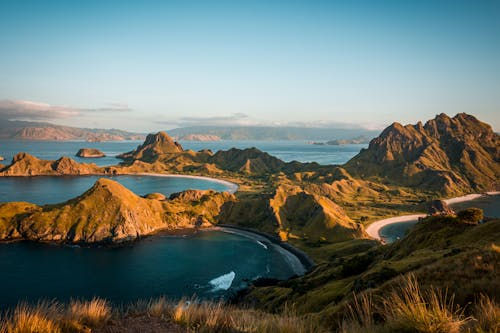
3) Komodo National Park, Flores
January is technically the wet season for Komodo, but don't let that put you off entirely. You'll find fewer crowds, making encounters with the dragons more intimate.
The landscape is incredibly green, and the cooler temperatures make trekking more comfortable.
While visibility for snorkeling can vary, diving remains excellent, with manta rays often active. Just be ready for potential short, heavy afternoon showers.
FAQs/Things to know before visiting Komodo National Park, Flores
1. Can you see Komodo dragons in Komodo National Park in January?
Absolutely, Komodo dragons are active year-round in Komodo National Park, and the cooler January weather can sometimes make them more visible.
2. What is the weather like in Komodo National Park in January?
Expect warm, humid weather with occasional short, heavy rain showers, usually in the afternoon, but mornings are often clear.
3. Are diving conditions good in Komodo National Park in January?
Diving in Komodo National Park remains incredible in January, despite variable snorkeling visibility, with good chances to see manta rays.
4) Togean Islands, Central Sulawesi
These islands are a bit of a mission to reach, which keeps the crowds away, even in January.
The diving and snorkelling are top-notch, with diverse reefs and clear waters. January is considered the rainy season here, but the Gulf of Tomini's sheltered location often means calm seas.
You get peaceful tranquility, untouched beaches, and incredible marine biodiversity. It's an ideal spot for those wanting to genuinely switch off and explore an underwater world.
FAQs/Things to know before visiting Togean Islands, Central Sulawesi
1. Is January a good time for diving in the Togean Islands?
Diving is possible year-round in the Togean Islands, and while January is wet season, the sheltered bay often means calm waters and good visibility.
2. How do you get to the Togean Islands?
The Togean Islands are quite remote, so a liveaboard boat is often recommended for the best access and diving experience.
3. What marine life is found in the Togean Islands?
Expect to see a wide diversity of fish, corals, sponges, and potentially turtles and dugongs in the Togean Islands' waters.

5) Bandung, West Java
If you're after cooler weather and a break from the heat, Bandung is a solid shout. January in Bandung means green tea plantations and misty volcanic landscapes.
It's an urban hub with plenty of cafes and shopping, ideal for rainy spells. The city offers a different side of Indonesia, focused on local culture and geological wonders.
Explore the active volcanoes nearby like Tangkuban Perahu or enjoy the local culinary scene. It's a busy city, but offers unique experiences away from the beach.
FAQs/Things to know before visiting Bandung, West Java
1. What kind of weather should I expect in Bandung in January?
Bandung in January is typically cooler than coastal areas, with lush greenery and occasional rain, making for misty landscapes.
2. What are popular activities to do in Bandung?
You can explore tea plantations, visit volcanic craters, enjoy the city's cafes and shops, or try local street food in Bandung.
3. Is Bandung a good destination for a family?
Yes, Bandung offers diverse attractions like nature parks, shopping, and food experiences that can appeal to families.

6) Yogyakarta, Central Java
Yogyakarta is Java's cultural heart, and while January is rainy, the major temples are still impressive.
Borobudur and Prambanan are UNESCO sites that are worth visiting even with a bit of drizzle.
The city offers a rich heritage, with museums, art, and delicious local food. You'll find fewer tourists, which can make exploring these iconic sites more pleasant. It's a good spot for history buffs and those interested in Javanese traditions.
FAQs/Things to know before visiting Yogyakarta, Central Java
1. Are the temples open in Yogyakarta in January?
Yes, major temples like Borobudur and Prambanan in Yogyakarta remain open and are popular to visit in January, often with fewer crowds.
2. What is there to do in Yogyakarta during rainy weather?
Yogyakarta offers museums, galleries, traditional craft workshops, and vibrant culinary experiences perfect for rainy days.
3. How can I get around Yogyakarta?
Taxis, ride-sharing apps, and becaks (pedicabs) are readily available for getting around Yogyakarta and its surroundings.

7) Lake Toba, North Sumatra
Lake Toba, the world's largest volcanic lake, is a grand sight regardless of the season. January is within the wet season, but the lush scenery around the lake is stunning.
You can kayak, swim in the fresh water, or explore traditional Batak villages on Samosir Island.
The cooler temperatures are a welcome change, and the waterfalls are particularly impressive. It's a place for relaxation and cultural immersion.
FAQs/Things to know before visiting Lake Toba, North Sumatra
1. What activities are recommended around Lake Toba in January?
Kayaking, swimming in the lake, exploring Batak villages, and visiting impressive waterfalls are popular activities around Lake Toba.
2. Is the weather good for visiting Lake Toba in January?
January is the wet season for Lake Toba, meaning lush landscapes and full waterfalls, but be prepared for occasional rain.
3. Can I easily explore Samosir Island at Lake Toba?
Yes, you can rent a motorbike or bicycle to explore Samosir Island, offering great views and access to villages.

8) Bintan Island, Riau Islands
Just a short ferry ride from Singapore, Bintan is a convenient escape. January is technically wet season, but resorts are well-equipped, and rain often comes in short bursts.
You'll find good deals and fewer crowds. Activities like golf, spa treatments, and exploring Tanjung Pinang are still on offer.
It's a decent option for a relaxed resort holiday without venturing too far.
FAQs/Things to know before visiting Bintan Island, Riau Islands
1. What is the weather like on Bintan Island in January?
Bintan Island in January is warm and humid, with frequent but often brief rain showers during the wet monsoon season.
2. Are there many outdoor activities on Bintan Island in January?
Many resorts on Bintan Island offer indoor and covered activities, and you can still visit attractions like Tanjung Pinang and temples.
3. Is Bintan Island crowded in January?
January is generally considered the low season for tourism on Bintan Island, meaning fewer crowds and potentially better prices.

9) Gili Islands, Lombok
The Gili Islands can be a gamble in January, but if you get lucky with the weather, you'll love it.
Fewer people mean more serene beaches and calmer diving spots. Diving and snorkeling are still very popular, with plenty of turtles around.
Expect warm water temperatures perfect for long sessions underwater. Just be aware that boat transfers can occasionally be disrupted by rougher seas.
FAQs/Things to know before visiting Gili Islands, Lombok
1. Is January a good time for diving in the Gili Islands?
Yes, diving is possible year-round in the Gili Islands, and January offers warm waters with regular turtle sightings, though visibility can vary.
2. What is the typical weather on the Gili Islands in January?
The Gili Islands in January experience rain during the wet season, but often in short bursts, with plenty of sunshine between showers.
3. How do you travel between the Gili Islands?
You travel between the Gili Islands by local boats, but be aware that sea conditions in January can sometimes affect transfers.

10) Sanur, Bali
Sanur offers a more relaxed Bali experience compared to the busy south, and it handles January's rain well.
While other parts of Bali might get heavy downpours, Sanur often sees less severe rain. You can enjoy sunrise walks, cycling along the beach path, or water sports.
There are plenty of cafes, spas, and cultural spots to keep you busy. It's a great base for exploring central Bali's lush landscapes, which thrive in the wet season.
FAQs/Things to know before visiting Sanur, Bali
1. What kind of weather can I expect in Sanur, Bali, in January?
Sanur in January experiences warm temperatures and occasional rainfall, though often less intense than other parts of Bali, with sunny periods.
2. Are there good activities to do in Sanur in January despite the rain?
Absolutely, Sanur offers sunrise walks, cycling, water sports, spa treatments, and visits to local markets and museums.
3. Is Sanur a good alternative to other areas of Bali in January?
Yes, Sanur is often a calmer choice, well-equipped for varying weather, and provides a relaxed base to explore Bali in January.

Look, travelling Indonesia in January isn't for everyone. You need to be flexible and accept that plans might shift due to weather.
But if you embrace the low season, you'll find fewer tourists, often better prices, and a wonderfully green landscape you won't see at other times.
Don't write it off; just pick your spots carefully and go with the flow. You might just have a more authentic trip for it.
When exploring these hidden gems, always consider hiring a guide or joining a tour group, as some locations may require local expertise for the best experience.
Did you know we have a Hidden Gem Finder on our website? This handy little map shows over 13,000 hidden gems across the entire world with their exact co-ordinates available to view on Google Maps as well as an image/description for each one!


Comments