
10 Best Places to Visit in France in January (2026 Ski & Sales Guide)
- Our Hidden Earth

- Dec 30, 2025
- 10 min read
Forget your summer rosé and crowded beaches; January is a different beast entirely. It’s when the masses have packed up, the Christmas rush is done, and France settles into its proper winter rhythm.
This means fewer queues, better prices, and a chance to actually see places without elbowing your way through a tour group.
If you’re after a genuine French experience, stripped of the usual tourist fluff, then January is your time. It’s practical, it’s savvy, and frankly, it’s a brilliant way to kick off the new year.

1) Paris
Paris in January sheds its summer sheen for something more intimate. You will find shorter queues at the Louvre and the Musée d'Orsay, giving you space to actually appreciate the art.
The city’s famous cafes become cosy havens, perfect for escaping the chill with a hot chocolate or a strong coffee.
You can wander through quieter arrondissements, discovering local boutiques and bakeries without the usual jostle. Take advantage of the winter sales, known as “Les Soldes,” for some proper French retail therapy.
The architecture stands out sharply against the winter sky, offering a different kind of beauty. It’s a chance to experience the city like a local, not a tourist.
FAQs/Things to know before visiting Paris
1. What's the weather like in Paris in January?
Expect cold temperatures, often hovering around freezing, with a good chance of grey skies and occasional rain. Snow is possible but not guaranteed for Paris. Dress warmly with layers.
2. Are all attractions open in Paris during January?
Most major attractions in Paris, like museums and monuments, remain open in January. Some smaller, seasonal operations might be closed, so always check specific opening times before you go.
3. Is it expensive to visit Paris in January?
Generally, hotel and flight prices for Paris are lower in January compared to peak season. You can often find good deals, making it a more budget-friendly time to explore the city.

2) Chamonix Mont-Blanc
If you're into serious winter sports, Chamonix is the place to be. This alpine town sits right at the foot of Mont Blanc, giving you access to some incredible skiing and snowboarding terrain.
The whole area buzzes with a genuine mountaineering spirit, not just resort fluff. You can hit the slopes, go off-piste with a guide, or simply soak in the dramatic mountain views.
The Aiguille du Midi cable car offers an unbeatable ascent to over 3,800 metres for spectacular panoramas.
After a day on the snow, the town’s pubs and restaurants offer hearty, well-earned meals. It’s a proper winter sports destination without compromise.
FAQs/Things to know before visiting Chamonix Mont-Blanc
1. Is Chamonix suitable for beginner skiers?
Yes, Chamonix has several dedicated areas for beginners, like Le Tour and Les Houches, with gentler slopes and ski schools. Don't let the expert reputation put you off visiting Chamonix.
2. What non-skiing activities are available in Chamonix in January?
You can enjoy snowshoeing, ice skating, paragliding, or exploring the town's shops and restaurants. The Montenvers train to the Mer de Glace glacier is also a popular option in Chamonix.
3. How do I get to Chamonix Mont-Blanc?
Geneva Airport (GVA) is the closest major international airport, with regular shuttle services connecting directly to Chamonix. You can also drive or take a train, though the train journey usually involves changes.

3) Nice
Swap the cold for a milder climate on the French Riviera; Nice is a solid bet in January. While it won't be beach weather, you will enjoy comfortable temperatures for exploring the city.
Stroll along the Promenade des Anglais with fewer crowds and clearer sea views. The city's art museums, like the Musée Matisse and the Musée Marc Chagall, are fantastic indoor escapes.
You can explore the colourful Old Town, Vieux Nice, and sample local Niçoise specialities.
The markets are still lively, offering fresh produce and local crafts. It’s a chance to experience the Riviera without the summer madness.
FAQs/Things to know before visiting Nice
1. Is it sunny in Nice in January?
Nice typically enjoys more sunshine than northern France in January, though you can still expect some overcast days and occasional rain. Average temperatures are usually around 8-10°C (46-50°F).
2. What events are happening in Nice during January?
January in Nice is generally quieter for major events, but cultural venues like theatres and opera houses have their regular schedules. The city prepares for its famous Carnival in February, so you might feel the build-up.
3. Can I visit other towns from Nice easily in January?
Yes, the regional train system along the coast runs year-round, making day trips to places like Cannes, Monaco, or Menton very straightforward from Nice. Buses are also a good option for shorter distances.

4) Bordeaux
Bordeaux offers a sophisticated city break that works well in winter. The famous vineyards might be dormant, but the city itself has plenty to keep you busy.
You can explore its grand 18th-century architecture and wander through the historic centre, a UNESCO World Heritage site.
Dive into the Cité du Vin, an impressive interactive museum dedicated to wine, perfect for a cooler day. Many châteaux offer cellar tours and tastings even in January, often by appointment.
The city’s excellent food scene, from bistros to fine dining, provides a warm welcome. Bordeaux gives you a taste of elegant French urban life without the usual queues.
FAQs/Things to know before visiting Bordeaux
1. Are the Bordeaux vineyards open for tours in January?
Many major châteaux and wineries in Bordeaux are open for tours and tastings in January, though some might require advance booking. It's a quieter time to visit, often allowing for more personalised experiences.
2. What is the main appeal of Bordeaux in winter?
The main appeal of Bordeaux in winter is its rich urban culture, fantastic food scene, and the chance to explore wine without the heat or crowds. You can enjoy the city’s museums and the Cité du Vin comfortably.
3. How do I get around Bordeaux?
Bordeaux has an efficient tram system that covers most of the city centre and beyond. The city centre is also very walkable, and buses supplement the tram network for wider coverage.

5) Lyon
Lyon is a foodie's dream, and January is a great time to indulge without the usual summer crush.
This city is the gastronomic capital of France, so expect fantastic meals in its numerous bouchons and Michelin-starred restaurants.
You can explore Vieux Lyon, a charming Renaissance old town, and discover its hidden passageways, known as traboules. The city's many museums, from fine arts to textiles, offer excellent indoor activities.
Take a ride up to the Basilica of Notre-Dame de Fourvière for panoramic views of the city. Lyon provides a rich cultural and culinary experience, perfect for a winter escape.
FAQs/Things to know before visiting Lyon
1. What kind of food should I try in Lyon?
You absolutely must try traditional Lyonnaise cuisine, found in local "bouchons," like saucisson de Lyon, quenelles, and hearty stews. Don't forget to sample local cheeses and wines in Lyon.
2. Are there any winter festivals in Lyon in January?
While Lyon's famous Fête des Lumières is in December, January typically sees quieter cultural programming. Check local listings for smaller art exhibitions, concerts, or theatre performances in Lyon.
3. Is public transport good in Lyon?
Yes, Lyon boasts an excellent public transport system, including metros, trams, and buses, making it very easy to get around the city without a car. A single ticket covers all modes of transport.

6) Strasbourg
Strasbourg offers a unique blend of French and German culture, and in January, it feels particularly atmospheric.
While the Christmas markets are over, the city retains a magical, slightly frosty charm. You can marvel at the magnificent Notre-Dame Cathedral, one of Europe’s tallest, and explore its intricate astronomical clock.
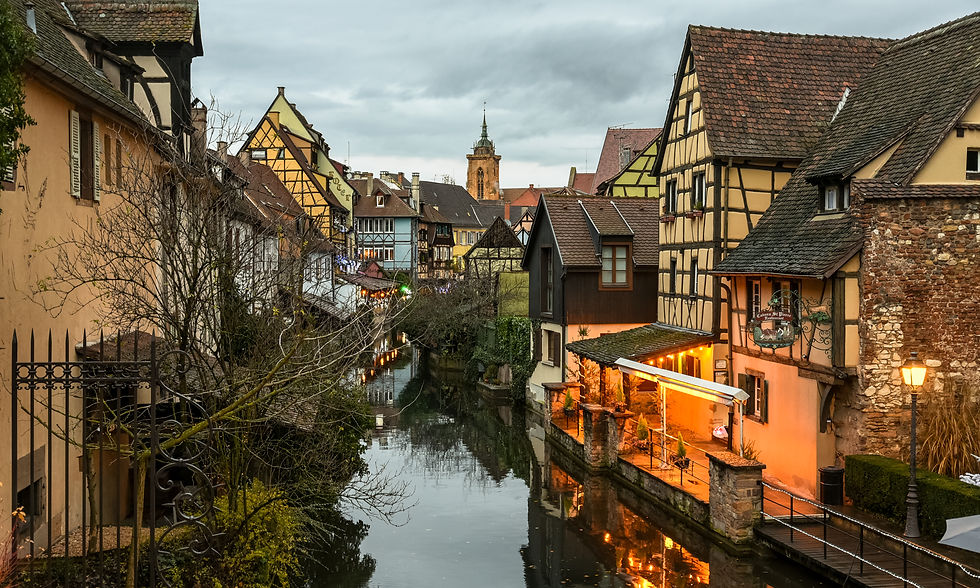
Wander through La Petite France, the historic quarter, with its half-timbered houses and canals. The European institutions make for an interesting visit if you're into politics and history.
Warm up with some hearty Alsatian food and a glass of local wine. Strasbourg is wonderfully picturesque even in the depths of winter.
FAQs/Things to know before visiting Strasbourg
1. What are the must-see attractions in Strasbourg during January?
The Strasbourg Cathedral and the historic La Petite France quarter are essential year-round. You can also visit the Palais Rohan, which houses several museums, or the European Parliament (check tour availability).
2. Is it very cold in Strasbourg in January?
Strasbourg can be quite cold in January, with average temperatures often around freezing or below. Expect crisp air and potentially some snow, so warm clothing is crucial for visiting Strasbourg.
3. What Alsatian specialities should I try in Strasbourg?
Try choucroute garnie (sauerkraut with various meats), flammekueche (thin-crust pizza-like dish), and Baeckeoffe (a meat and potato casserole). Don't miss out on local wines like Riesling or Gewürztraminer in Strasbourg.

7) Loire Valley
Visiting the Loire Valley in January lets you experience its famous châteaux without the huge summer crowds.
While some smaller gardens might be less vibrant, the grand architecture of places like Chenonceau, Chambord, or Azay-le-Rideau really stands out.
You get a much more peaceful experience, allowing you to appreciate the history and scale of these magnificent buildings. Many châteaux offer indoor tours, focusing on their opulent interiors and fascinating stories.
You might even catch a foggy morning, adding a dramatic, almost fairytale, quality to the landscape. It’s a quiet, contemplative way to see France’s royal history.
FAQs/Things to know before visiting Loire Valley
1. Are all châteaux in the Loire Valley open in January?
Most of the major châteaux, like Chenonceau, Chambord, and Villandry, remain open year-round, though some might have reduced hours. Smaller, privately owned ones in the Loire Valley may close, so always check in advance.
2. Is it easy to get around the Loire Valley without a car in January?
Having a car is highly recommended for exploring the Loire Valley freely, especially in January when public transport options are more limited. Some châteaux are accessible by train or bus, but it requires careful planning.
3. What kind of weather should I expect in the Loire Valley?
January in the Loire Valley is typically cold and can be damp, with temperatures often just above freezing. Expect grey skies and be prepared for rain or occasional light snow during your visit to the Loire Valley.

8) Marseille
Marseille offers a grittier, more authentic port city experience, and January is a great time to avoid the summer heat and crowds.
The mild Mediterranean climate means you can still enjoy walking around comfortably.
Explore the vibrant Old Port, watch the fishing boats, and soak in the city’s unique energy. Head up to Notre-Dame de la Garde for incredible panoramic views of Marseille and the sea.
The Mucem (Museum of Civilisations of Europe and the Mediterranean) is a fantastic modern architectural marvel and a great indoor option. Indulge in fresh seafood and the city’s famous bouillabaisse. Marseille gives you a real slice of Provençal life.
FAQs/Things to know before visiting Marseille
1. Is Marseille safe to visit in January?
Marseille, like any large city, requires general awareness, but it's generally safe for tourists. Stick to well-trafficked areas, especially around the Old Port and major attractions in Marseille, and take standard precautions.
2. What is there to do in Marseille if the weather is bad?
Marseille offers excellent indoor options like the Mucem museum, the Regards de Provence Museum, and the Cathedrale de la Major. You can also explore the boutiques and covered markets.
3. Can I visit the Calanques near Marseille in January?
Yes, you can visit the Calanques in January, but be aware that hiking conditions can be slippery if it has rained, and boat tours might be less frequent due to weather. Check forecasts and tour availability before heading to the Calanques from Marseille.

9) Annecy
Annecy, with its stunning lake and alpine backdrop, is incredibly picturesque in winter. The "Venice of the Alps" nickname still holds true, with its canals and colourful old town houses looking even more charming under a crisp sky.
You can wander the cobbled streets, cross pretty bridges, and explore the Palais de l'Isle.
The clear mountain air makes for fantastic views across Lake Annecy to the snow-capped peaks. Take a boat trip on the lake (if available) or simply enjoy a lakeside stroll.
Warm up with some Savoyard specialities like fondue or raclette. Annecy is a genuinely charming winter destination.
FAQs/Things to know before visiting Annecy
1. What is the typical weather like in Annecy in January?
Annecy experiences cold winter weather in January, with average temperatures often around freezing and a good chance of snow. The air can be quite crisp, but clear days offer stunning mountain views.
2. Are there opportunities for skiing near Annecy?
Yes, several ski resorts are within easy reach of Annecy, including La Clusaz and Le Grand Bornand. These resorts offer a range of slopes for various skill levels, making Annecy a good base for winter sports.
3. What local dishes should I try in Annecy?
You absolutely must try Savoyard specialities such as fondue, raclette, and tartiflette. These hearty, cheese-based dishes are perfect for warming up after a day exploring Annecy.
10) Reims
Reims, the heart of the Champagne region, is an excellent choice for a January trip. The champagne houses, like Veuve Clicquot, Taittinger, and Mumm, are open for tours and tastings year-round.
You can delve into their historic cellars, learn about the champagne-making process, and, of course, sample the bubbly. The magnificent Reims Cathedral, where French kings were crowned, is a major highlight and a truly impressive historical site.
Explore the city’s Roman history at the Porte de Mars or visit the Palais du Tau. Reims offers a refined and bubbly experience, even in the depths of winter.
FAQs/Things to know before visiting Reims
1. Do Champagne houses in Reims require reservations in January?
While January is quieter, it is always a good idea to book Champagne house tours in Reims in advance, especially for specific times or English-language tours. Some smaller houses might have limited hours.
2. Is there public transport in Reims?
Reims has a good tram and bus network that makes getting around the city and to the major Champagne houses quite easy. The city centre is also very walkable, especially around the cathedral.
3. What historical sites, other than the cathedral, should I see in Reims?
Beyond the Notre-Dame de Reims Cathedral, visit the Palais du Tau, the Porte de Mars, and the Saint Remi Basilica, a UNESCO World Heritage site, all contributing to the rich history of Reims.

So there you have it. Forget the crowded, overpriced summer months. January in France offers a completely different vibe, and frankly, a better one if you know where to look.
You’ll save some quid, get a more authentic feel for the place, and avoid the tourist circus.
Just pack a decent coat, embrace the quieter atmosphere, and you’ll have a brilliant time. Don't be a sheep; go when it's smart, not when everyone else does. It's a proper way to see France.
When exploring these hidden gems, always consider hiring a guide or joining a tour group, as some locations may require local expertise for the best experience.
Did you know we have a Hidden Gem Finder on our website? This handy little map shows over 13,000 hidden gems across the entire world with their exact co-ordinates available to view on Google Maps as well as an image/description for each one!


Comments