
Best Places to Visit in Molise in March

Written by Our Hidden Earth Editorial Team
Last updated 23 October 2026
Summary: Molise is an ideal destination in March for travellers seeking authentic, quiet exploration of Apennine landscapes and medieval hilltop villages. By focusing on the historical gravity of Isernia or the mountain serenity of Capracotta, visitors can experience the region’s transition into spring before the busier travel months begin.
Our Hidden Earth maps 300,000+ verified hidden gems across 230 countries. Open the map to find the quiet places near the ones below.
Molise in March: at a glance
March offers a quiet, contemplative atmosphere for exploring the region’s sparse, rugged Apennine architecture.
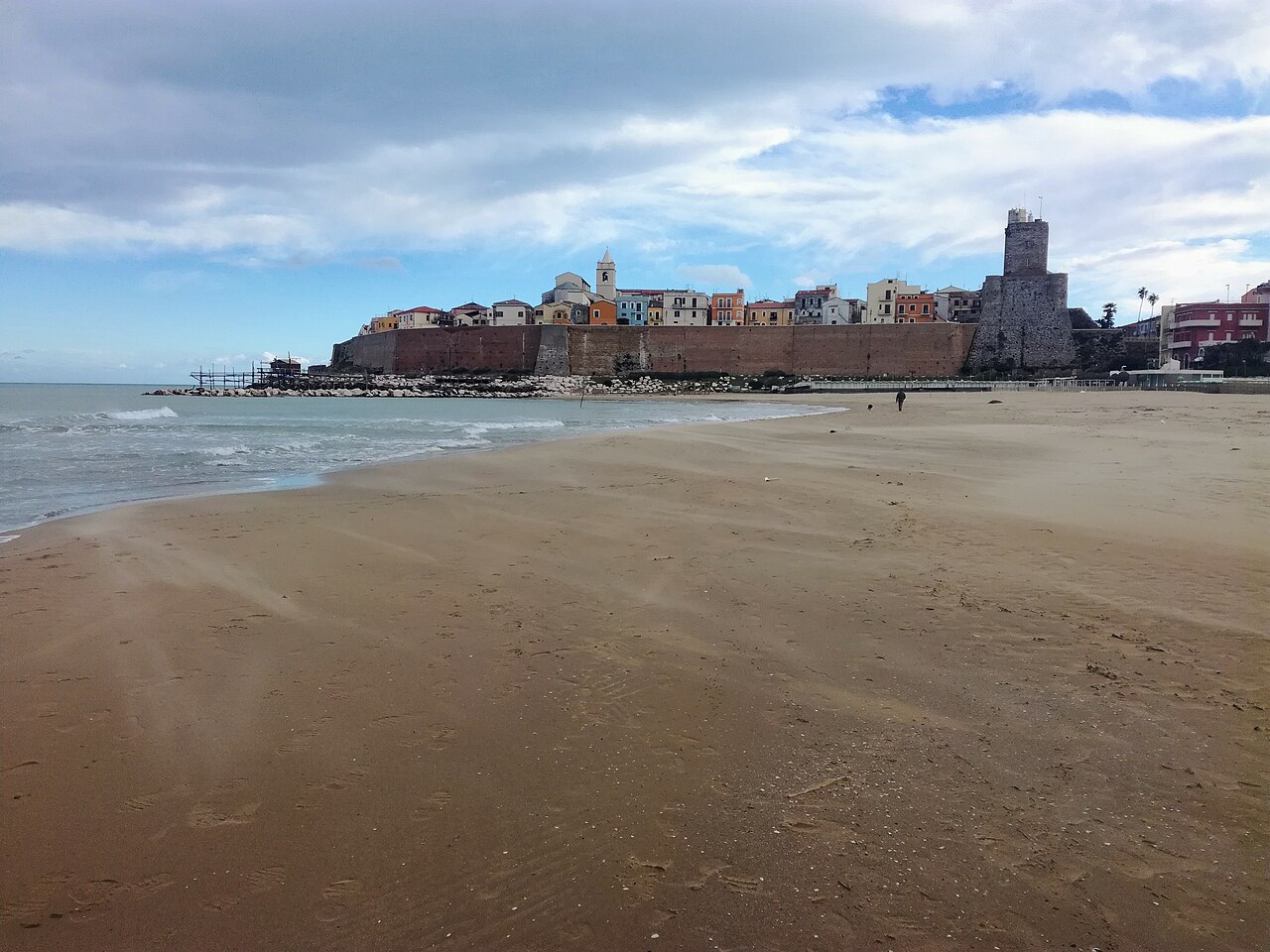
The coastal town of Termoli provides a contrasting maritime base to the higher, often cooler inland mountainous areas.
Visitor demand remains low across the region, making it suitable for those who prefer uncrowded sites and local hospitality.
The variable nature of March weather requires a flexible approach, particularly for those planning to explore higher-altitude trails.
Is March a good time to visit Molise?
March is an excellent time for travellers who prioritise quiet and value historical discovery over predictable, warm weather. While many regions of Italy attract significant numbers of visitors by early spring, Molise remains firmly off the standard tourist trail, offering a genuinely undisturbed experience.
It is a period of transition where the lower altitudes begin to show signs of spring, while the higher elevations still hold onto their winter character. This month suits independent travellers who are comfortable with self-directed itineraries and prefer exploring ancient sites at their own pace without the pressure of seasonal crowds or infrastructure demands.
Weather in Molise in March
Molise’s geography dictates the weather, creating a sharp divide between the Adriatic coastline and the mountainous interior. Along the coast in Termoli, the air is typically milder, though breezes from the sea can be brisk.
As you move inland and gain elevation toward the Apennines, the temperature drops, and the weather becomes significantly more volatile. It is common for the mountains to retain a cool, crisp quality in March, with occasional lingering patches of snow on higher peaks.
Visitors should expect a mix of sun and clouds, with sudden shifts in conditions being part of the regional experience. Layers are essential, as the thermal difference between a sunny piazza in a valley town and a shaded mountainside can be significant.
Best places to visit in Molise in March
1. Termoli
Termoli stands as the primary gateway to the Molise coast. In March, the town’s ancient defensive walls and the narrow, winding alleys of the old borgo are peaceful. The castle, situated on a rocky promontory overlooking the Adriatic, offers expansive sea views without the summer congestion.
Wandering through the historic centre reveals a quiet, everyday Italian life that feels removed from the frenetic pace of larger coastal cities. It is a place to enjoy fresh seafood in local trattorias and watch the boats in the harbour, as the town maintains its working-class character throughout the year.
2. Isernia
Located in the heart of the region, Isernia is one of Italy’s oldest settlements. Its historic centre is dense with narrow streets, medieval churches, and hidden squares.
Visiting in March allows you to inspect the Paleolithic Museum, which details the region's ancient history, without the heat or crowds of later months. The town serves as a functional and historical anchor point for central Molise, offering a glimpse into the layers of habitation that have defined the area for millennia.
Its central position makes it a logical base for those interested in the archaeological heritage of the Apennine valleys.
3. Agnone
Agnone is famed for its ancient tradition of bell-founding, which has been practised here for centuries. The town is situated in a dramatic mountain setting, and in March, the air is sharp and invigorating.
Visiting the bell museum provides a unique look at a craft that is deeply intertwined with the region's cultural identity. Beyond the workshops, the town’s steep, stone-paved streets and numerous churches offer a profound sense of history.
It is an ideal spot for those who appreciate mountain towns where the focus is on craftsmanship and architectural heritage rather than conventional tourist activities.
4. Pietrabbondante
This site is home to the most important archaeological remains of the Samnite people in the region. The sanctuary, perched on a mountainside, includes a remarkably well-preserved theatre.
In March, the site is often atmospheric and quiet, allowing visitors to walk amongst the ruins and appreciate the scale of the ancient structures against the backdrop of the rugged hills. It is a place that rewards those who enjoy history in nature, as the surrounding landscape is sparsely populated and visually expansive.
Be prepared for cooler temperatures at this elevation, which adds to the solemn, historical mood of the area.
5. Campobasso
The regional capital, Campobasso, sits on a hillside and is crowned by the Castello Monforte. In March, the climb up to the castle provides a sweeping view of the surrounding mountain ranges and valley floors.
The town centre, with its blend of older medieval quarters and newer, nineteenth-century planning, offers a look at the administrative and cultural hub of Molise. Exploring the provincial museum and the city’s various churches provides a deeper understanding of the local art and history.
It is a city that feels grounded and authentic, serving as a hub for understanding the region’s modern identity.
6. Capracotta
Known for its significant elevation, Capracotta is one of the highest towns in the Apennines. In March, the winter feel often persists here longer than in the valleys. It is a destination for those who want to experience the quiet, raw beauty of the high mountains.
While the focus here is typically on outdoor environments, the town itself is a peaceful place to observe local life in a high-altitude setting. It is best suited for visitors who appreciate the solitude of the peaks and the stark, clean aesthetic of a mountain village that is still recovering from the winter months.
7. Sepino
The ancient Roman site of Saepinum is a worth a visit for those interested in Roman provincial life. The ruins include city walls, gates, and a theatre that are quite distinct in their preservation.
Visiting in March is particularly pleasant, as the site is open and exposed; the cooler temperatures make walking the entirety of the archaeological park much more comfortable than during the summer. You can explore the layout of the old Roman streets and houses with ease.
It is a highly evocative location that offers a clear, uninterrupted view of how a regional Roman town was structured.
8. Larino
Larino is a town of significant artistic and historical interest, known for its cathedral and its remnants of a Roman settlement. The medieval core is lively with architectural details, while the nearby Roman amphitheatre shows the region's long history.
Visiting in March allows you to take your time exploring the mosaic floors and stone carvings that adorn the older parts of the town. It feels like a living museum, where residents go about their business alongside history that is tucked into every street corner. It is a perfect example of a town where exploration is best done on foot, slowly.
9. Civitacampomarano
This hilltop village has gained attention for its street art project, where murals are integrated into the ancient walls and alleys. In March, the combination of traditional stone architecture and modern artistic expression makes for a unique walking experience.
The village is quiet and provides a sense of discovery, as you move between the old structures and the new art. It is a place that feels very personal and community-focused, ideal for those who enjoy uncovering the creative side of rural Italian life away from more commercialised destinations.
10. Venafro
Located on the edge of the region, Venafro is known for its Roman history and its olive groves. The town’s castle and archaeological museum provide a good day of exploration. The surrounding landscape, dotted with ancient olive trees, is particularly interesting in the lead-up to spring.
Walking through the town reveals a mix of Roman, medieval, and Renaissance elements. It is a convenient base for exploring the western edge of Molise and offers a slightly different architectural character than the towns deeper in the Apennine core.
How to plan your Molise trip
To make the most of a March trip, it is best to group your destinations geographically to minimise driving effort. The coast and the area around Larino can be managed as one base, focusing on the lower elevations.
For the inland, mountainous parts of the region, Isernia serves as a central hub from which you can reach Agnone, Pietrabbondante, and the high reaches of Capracotta. A car is strongly recommended for exploring Molise, as public transport is infrequent and geared toward locals.
For a shorter stay, focus your time on Isernia and the nearby Samnite ruins of Pietrabbondante. Pack versatile layers, including a waterproof jacket and sturdy walking shoes, as the weather is changeable and rural terrain can be uneven or damp.
Frequently asked questions
Is Molise suitable for a car-free holiday?
Molise is quite challenging to navigate without a car. While trains connect some larger towns, they do not provide the flexibility needed to reach smaller hill villages or archaeological sites like Pietrabbondante.
If you are travelling without a car, you will be limited to the main rail-accessible hubs and will need to rely on local bus services, which can be sparse.
How does the weather in March affect my plans?
March weather is unpredictable, with significant differences between the coast and the inland mountains. While lower areas may enjoy mild, sunny intervals, the high mountain towns can remain cold and windy.
Always have a backup plan for indoor activities, such as visiting museums in Isernia or Campobasso, in case the weather turns inclement for outdoor exploration.
Are the archaeological sites open in March?
Yes, major archaeological sites in Molise generally remain accessible, though they may operate on reduced hours compared to the peak summer season. It is advisable to verify specific opening times closer to your travel date through local information boards or regional tourism resources, as minor sites may have less consistent attendance during the quieter months.
Is Molise too quiet in March?
Whether it is "too quiet" depends entirely on your travel preferences. If you seek busy nightlife and active tourist infrastructure, you might find it limited.
However, if you are looking for an authentic experience where you can interact with local people and explore historical sites without any crowds, March is arguably the perfect time to visit.
Should I visit the coast or the mountains first?
Visiting the coast first allows you to acclimate and enjoy the milder air in Termoli. After exploring the seaside, move inland toward Isernia and the Apennine towns.
This progression usually works well as the interior can be significantly cooler and may require a more rugged approach to clothing and daily planning as you head deeper into the mountains.
Are restaurants and cafes open in March?
Most local businesses, including restaurants, remain open to serve the local population throughout the year. While you might not find a wide variety of tourist-oriented menus, you will find consistent, locally-focused food.
In smaller, remote villages, it is always a good idea to check local meal times and perhaps carry snacks, as service hours can be more traditional.
What should I pack for Molise in March?
Pack for variety. A waterproof, windproof jacket is essential for mountain excursions. Layering with sweaters and thermal tops will keep you comfortable during the fluctuating temperatures of the day.
Sturdy, waterproof shoes are necessary for walking on cobblestone streets and visiting archaeological parks, which can often be muddy or damp at this time of year.
Can I see any festivals in March?
Festivals in Molise are often based on specific local or religious traditions and can vary from year to year. While there is no major region-wide event guaranteed every March, smaller town-specific celebrations related to the local calendar occur.
It is best to check the local municipal website or notice boards of the towns you intend to visit once you arrive.
Final thoughts
For those looking to escape the conventional tourist trail, Isernia and the mountain villages of Agnone and Pietrabbondante offer the most authentic experience in March. Focus your trip on the central Apennine core if you enjoy historical discovery and mountain solitude, or choose Termoli for a quieter coastal base.
By embracing the region's slower pace and varied climate, you will find that Molise rewards travellers with a genuine, unhurried encounter with its ancient, rugged landscape.
Weather, opening times and transport details in this guide were correct as far as we could check. Always confirm directly before you travel.
Planning a March trip? The Our Hidden Earth map has 300,000+ verified hidden gems across 230 countries. Find the quiet places near wherever you are heading.
Related Guides
More guides to Italy.