
Best Places to Visit in Lazio in March

Written by Our Hidden Earth Editorial Team
Last updated 23 October 2026
Summary: March offers an ideal window to explore the diverse landscapes of Lazio, from the ancient ruins of Rome to the serene volcanic lakes and coastal towns. Travellers can enjoy the region's historical depth and emerging spring flora in a quieter setting before the mid-season demand increases.
Our Hidden Earth maps 300,000+ verified hidden gems across 230 countries. Open the map to find the quiet places near the ones below.
Lazio in March: at a glance
Rome serves as the central hub, allowing for easy day-trip access to the surrounding countryside and coastal sites.
March is a transitional month for weather, meaning a mix of clear, bright days and more frequent, unpredictable showers.
The volcanic lakes in the north, such as Lake Bracciano, provide a peaceful retreat for walking and village exploration.
Early spring growth begins in the gardens and hills, making it a suitable time for visiting archaeological parks like Ostia Antica.
Is March a good time to visit Lazio?
March is a rewarding time to visit Lazio for those who prefer to avoid the intensity of the mid-summer heat and the busiest travel months. While the weather is variable, it provides a pleasant backdrop for outdoor sightseeing and historical exploration.
Cultural life in Rome continues at a full pace, and smaller towns in the region begin to wake up as the days lengthen. Visitors should be prepared for the possibility of rain, but the trade-off is often more space at major landmarks and more authentic engagement with local daily life.
The regional diversity of Lazio—stretching from the Tyrrhenian coast to the Apennine foothills—means that a well-planned itinerary can balance city architecture with quiet, open landscapes.
Weather in Lazio in March
The weather in Lazio during March is defined by its variability. Coastal areas and the low-lying plains around Rome generally experience milder conditions, though sea breezes can keep the air feeling crisp.
Moving inland toward the mountainous borders of the Abruzzo region, the air is noticeably cooler, and higher elevations may retain evidence of winter temperatures. It is common to experience a cycle of bright, sunny periods interspersed with short-lived, grey spells.
Packing layers is essential for a trip at this time, as mornings and evenings are often cool, while mid-afternoon sun can make lighter clothing comfortable. Relying on a durable, lightweight rain shell is a sensible precaution for any regional travel.
Best places to visit in Lazio in March
1. Rome
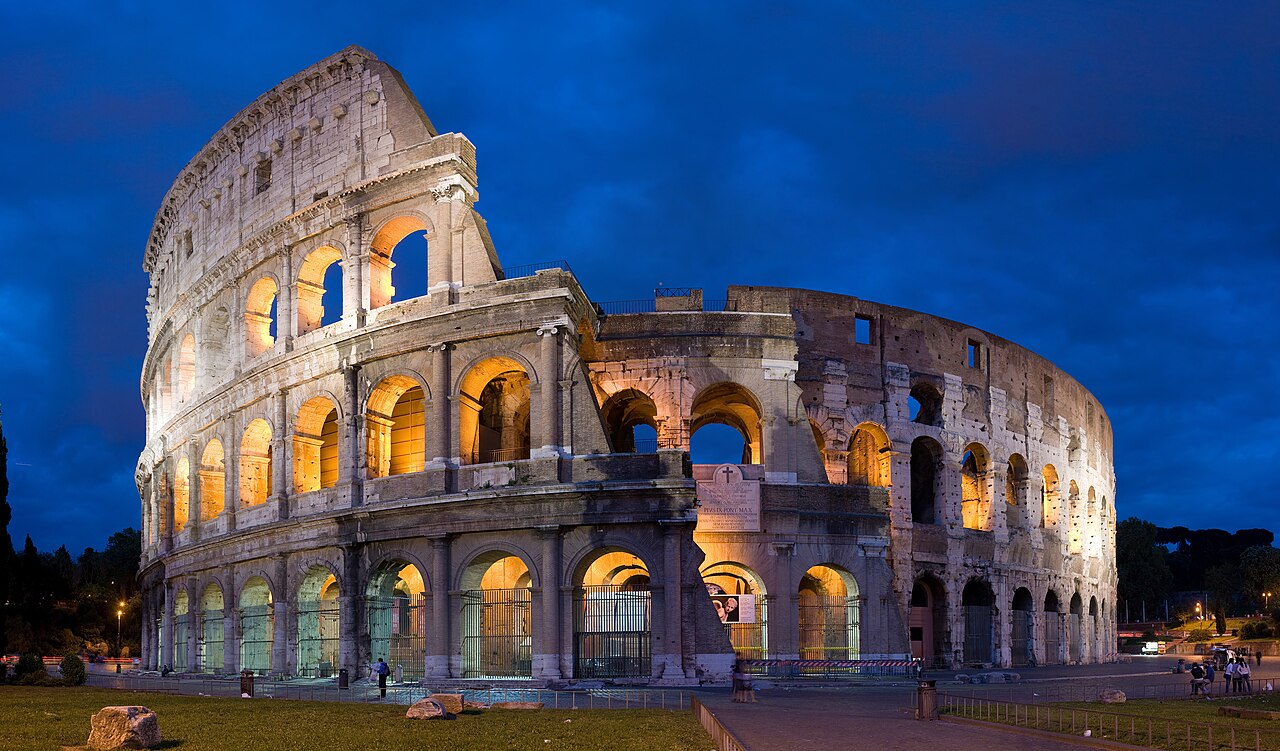
The capital remains the primary destination for any trip to Lazio. In March, the city’s vast collection of museums, basilicas, and historic neighbourhoods is accessible without the intense heat of summer.
Walking through the Roman Forum or the Palatine Hill is particularly comfortable when the midday temperatures are moderate. This is an excellent time to visit the major galleries, such as the Galleria Borghese, as the pace of life feels slightly more measured.
Evenings in areas like Trastevere or near the Pantheon allow for relaxed dining at outdoor tables, provided one has a light jacket for the cooler night air.
2. Ostia Antica
Located near the mouth of the Tiber, this extensive archaeological site serves as an alternative to the crowded ruins of the city centre. The ancient port city remains remarkably well-preserved, featuring intact mosaics, taverns, and apartment blocks.
Walking among the stone structures in March is enjoyable because the ground is neither parched by drought nor muddy from intense winter rains, and the site is usually quiet. It offers a fascinating glimpse into the commercial life of the Roman Empire, providing a different perspective from the imperial grandeur seen in Rome.
3. Tivoli
Famous for its historic villas, Tivoli is a hilltop town that provides a refreshing escape from the Roman basin. Villa d'Este and Hadrian's Villa are the main draws.
In March, the gardens of Villa d'Este are beginning to turn green, and while the flowers may not yet be in full bloom, the structural beauty of the fountains and terraced grounds is unmistakable. Hadrian’s Villa, being a much larger archaeological expanse, requires a significant amount of walking; the cooler March temperatures make this a better time to explore the vast grounds compared to the summer months.
4. Lake Bracciano
This volcanic lake to the north of Rome offers a serene environment of medieval villages and water vistas. The town of Bracciano is dominated by the Odescalchi Castle, an imposing structure that overlooks the clear waters.
The surrounding villages, such as Anguillara Sabazia, provide a slow-paced atmosphere where visitors can walk along the waterfront. In March, the lake is at its most tranquil, providing a perfect setting for lakeside lunches and gentle strolls through the narrow stone streets.
The area is easily accessed by regional trains from Rome, making it a straightforward excursion.
5. Viterbo
The capital of its namesake province, Viterbo is known for its well-preserved medieval quarter, the San Pellegrino district. The city is rich in history, notably serving as the residence of the papacy during the 13th century. Exploring the Palazzo dei Papi and the surrounding thermal baths is a highlight for visitors.
The thermal waters, which have drawn people to the area since antiquity, are particularly inviting when the air is crisp. Spending a day in Viterbo allows for a deeper dive into the Etruscan and medieval history of northern Lazio.
6. Tarquinia
Tarquinia is the foremost centre for Etruscan history in the region, home to the Monterozzi Necropolis, where elaborately painted tombs date back centuries. The town itself is perched on a ridge overlooking the coast, featuring high medieval towers and a grand cathedral.
March is an ideal time to visit the museum and the burial grounds, as the walk between the two is pleasant in the mild air. The town offers a sense of seclusion and history that contrasts sharply with the frantic energy of Rome, and it provides sweeping views toward the Tyrrhenian Sea.
7. Sperlonga
This coastal town is known for its white-washed houses, narrow alleys, and scenic beaches. While swimming is typically not an option in March, the beach is beautiful for long, reflective walks along the Mediterranean.
The town features the remains of the Villa of Tiberius, a significant archaeological find connected to the sea. Visiting in March allows one to experience the beauty of the coastal setting before the summer demand sets in.
The atmosphere is quiet, and the local seafood restaurants are far more accessible, providing a relaxing pace of life.
8. Civita di Bagnoregio
Often referred to as the "dying town" due to the erosion of its cliffside perch, Civita di Bagnoregio is a destination of immense visual impact. Access is restricted to a pedestrian bridge, which reinforces the isolated, timeless quality of the village.
In March, the surrounding landscape of the Valle dei Calanchi begins to show signs of spring renewal. The quiet environment allows for a contemplative visit, focusing on the preservation of the village's medieval architecture.
It is a striking place for photography and architecture enthusiasts who appreciate the juxtaposition of rugged nature and human persistence.
9. Gaeta
Located on the southern coast of Lazio, Gaeta features a dramatic headland, a medieval old town, and a series of historical fortifications. The Santuario della Montagna Spaccata, a church built into a cliff, is a remarkable sight.
In March, the town serves as a base to explore the coastal paths and the nearby beaches of the Riviera di Ulisse. The combination of maritime heritage, religious history, and coastal scenery makes it a multifaceted destination.
It is a place that rewards those who enjoy moving between historical sites and natural vantage points at their own speed.
10. Castelli Romani
This group of small towns situated in the Alban Hills offers a different side of the region, known for wine production and traditional food, such as porchetta. Towns like Frascati and Castel Gandolfo are easily reached from Rome.
Castel Gandolfo is particularly well-known for the papal palace and its views over Lake Albano. In March, the hills are lush, and the atmosphere in these town centres is genuinely local.
It is a classic area to experience the traditional culinary heritage of Lazio, sitting in a tavern and enjoying simple, hearty dishes that reflect the region’s agricultural roots.
How to plan your Lazio trip
To plan an effective trip to Lazio in March, consider focusing on two or three bases. Rome is the essential starting point for at least three to four days, as it holds the greatest concentration of sights and provides the best train connectivity.
From Rome, you can easily conduct day trips to Tivoli, Ostia Antica, or the Castelli Romani. For a change of pace, add a two-night stay in Viterbo or Tarquinia if you have an interest in Etruscan history and northern landscapes.
Alternatively, a base in Gaeta or Sperlonga suits those who prioritise coastal scenery and a slower Mediterranean rhythm. A car is beneficial for exploring the northern volcanic lakes or the more remote parts of the Etruscan coast, but the core city-to-town routes are well-served by regional rail.
Pack versatile clothing: a light rain jacket, comfortable walking shoes for cobblestones and gravel paths, and layers for the shifting spring temperatures.
Frequently asked questions
Is it warm enough to swim in the sea in March?
No, the sea temperatures in March are generally too cold for swimming. While the coastal air can be quite pleasant on a sunny day, the water remains chilled from the winter months. Many coastal towns are quiet and relaxed, making this a better time for walking and sightseeing than for beach activities.
Is it necessary to rent a car for this region?
Not necessarily. Rome is served by an extensive regional rail network that connects to towns like Tivoli, Viterbo, and the coast. However, if you wish to visit the remote Etruscan sites or smaller villages in the northern volcanic area, a car provides significantly more flexibility and saves travel time.
Will archaeological sites be crowded in March?
Compared to the peak travel months, sites like the Roman Forum, Ostia Antica, and the Monterozzi Necropolis in Tarquinia are much quieter in March. You will find it much easier to move through these areas without contending with large tour groups, allowing for a more intimate experience of the ruins.
Are the gardens in Tivoli worth visiting in March?
Yes, the gardens of Villa d'Este are worth visiting for their architectural layout and water features, which remain impressive regardless of the season. While the planting may not be at its peak vibrancy, the structural beauty of the fountains and terraced walks is perfectly visible and peaceful in March.
Does Rome have a lot of rain in March?
March is a month of mixed weather. You may experience several consecutive days of clear, bright skies followed by a period of overcast conditions and rain showers. It is not an unusually wet month, but it is wise to carry a reliable umbrella or rain jacket for your daily explorations.
Is it better to stay in Rome for the entire trip?
Staying in Rome for the duration of your trip is an excellent strategy if you want to avoid moving your luggage. The city's central transport hub makes day trips highly feasible. Only consider moving your base if you specifically want to spend several days exploring the more distant northern or southern edges.
What traditional food should I try in this region?
Lazio is famous for its simple, hearty cuisine. Look for pasta dishes like Carbonara, Amatriciana, and Cacio e Pepe in Rome. In the countryside, especially the Castelli Romani, try local porchetta, and throughout the region, sample the artichokes, which are often at their best during the early spring season.
Are all the major museums and sites open in March?
Yes, the vast majority of major museums and historical sites are open throughout the year. As this is not a period of significant closures or renovations, you can expect the primary attractions in Rome and the wider region to follow their standard schedules, though it is always wise to confirm specific opening hours.
Final thoughts
For a balanced March trip, base yourself in Rome for its accessibility to major sights like Ostia Antica and Tivoli, and supplement this with a stay in the northern volcanic region around Viterbo or Lake Bracciano to experience the quieter, more rural side of Lazio. This combination allows you to enjoy the cultural density of the capital while embracing the peaceful, awakening landscape of the Italian countryside.
Weather, opening times and transport details in this guide were correct as far as we could check. Always confirm directly before you travel.
Planning a March trip? The Our Hidden Earth map has 300,000+ verified hidden gems across 230 countries. Find the quiet places near wherever you are heading.
Related Guides
More guides to Italy.