
Best Time to Visit Hawaii: Weather, Crowds and Costs (Month-by-Month Guide)
- Our Hidden Earth

- Aug 30, 2025
- 20 min read
Hawaii is a destination that promises beauty in every season, with lush rainforests, volcanic landscapes, and golden beaches that change character month by month.
Choosing the best time to visit Hawaii depends on what you want from your journey, whether that is calm seas for snorkelling, vibrant festivals, or simply fewer crowds on iconic shorelines.
The islands stretch across the Pacific like emerald jewels, each one with its own rhythm of weather and tradition, yet together they create a year-round paradise. Winter often brings bigger waves and migrating whales, while spring introduces fragrant blooms and cultural events.
Summer lights up the islands with long days of sunshine, and autumn offers a gentler pace with warm seas and colourful harvests.
Travelling month by month allows you to connect more deeply with the islands. January’s whale watching, May’s flower festivals, and November’s food celebrations are all windows into Hawaii’s soul. The trade winds carry not only the scent of plumeria and sea salt but also a sense of timelessness that makes every visit memorable.
With careful planning, you can choose the season that suits your ideal adventure, whether you are seeking surf, serenity, or cultural immersion. No matter the month, Hawaii offers a kaleidoscope of experiences that will linger long after your footprints fade from the sand.

Hawaii in January: Weather, Crowds and Costs
January in Hawaii feels both energetic and peaceful, a month where the islands seem to hold their breath between the holidays and spring. The weather is cooler compared to summer, with average daytime temperatures in the low to mid-20s Celsius, yet the sunshine remains warm enough for beach days.
The Pacific is alive with migrating humpback whales, and seeing their tails rise above the water or hearing their calls during a snorkelling trip is unforgettable. On Oahu’s North Shore, the legendary winter swells draw surfers from around the world, with competitions like the Eddie Aikau Big Wave Invitational taking centre stage.
Inland valleys glow with morning mist, and the scent of roasted coffee drifts through Kona cafés.
Crowds in January are thinner once the New Year rush subsides, making it easier to find quiet coves or hiking trails. On Maui, Lahaina’s historic streets feel calmer, yet the evenings still echo with ukulele music from open-air venues.
Local markets showcase taro-based dishes and fresh fish, often paired with seasonal citrus that thrives during the winter months. Evenings grow cooler, making a light sweater useful when dining outdoors or watching a fiery sunset slip behind the ocean horizon.
FAQs about January in Hawaii
Is January a good time to visit Hawaii?
Yes, January is a great month for travellers who enjoy cooler weather and fewer crowds after the holiday season. Whale watching is at its peak, and surfers can witness some of the world’s most famous waves. Beaches remain inviting, though the Pacific can be rough on northern shores. It is a month that combines natural beauty with cultural highlights.
Can you swim in Hawaii in January?
Yes, swimming is possible in Hawaii in January, especially on the southern and western beaches where waters remain calmer. Northern shores often have powerful surf, so conditions may not always be safe for casual swimmers. Resorts often have sheltered areas where visitors can enjoy calm seas. Water temperatures stay warm enough for snorkelling and swimming throughout winter.
Are there festivals in Hawaii in January?
Yes, January hosts cultural events such as preparations for the Cherry Blossom Festival in Honolulu. These gatherings celebrate Japanese-Hawaiian heritage with food, art, and music. Smaller community festivals also take place across the islands, offering travellers a chance to experience local traditions. They provide a colourful balance to the quieter post-holiday season.
What is the weather like in Hawaii in January?
Hawaii in January is cooler and wetter than summer but still very pleasant compared to most places in winter. Average highs stay in the low to mid-20s Celsius, and evenings can be breezy. Showers are more common in the northern and eastern regions of the islands. The mix of sun and occasional rain keeps the landscapes lush and vibrant.

Hawaii in February: Weather, Crowds and Costs
February in Hawaii carries a romantic energy, with golden sunsets and the gentle crash of waves setting the scene for couples and families alike. The weather remains similar to January, with warm afternoons and cooler evenings that are perfect for stargazing.
Valentine’s Day is celebrated widely across the islands, with resorts hosting sunset dinners and luaus where torches flicker against the ocean breeze. Humpback whales are still abundant, and boat tours around Maui and the Big Island offer extraordinary encounters.
Northern shores continue to host surfers chasing towering swells, while calmer southern beaches provide a safe haven for snorkellers.
Cultural celebrations add colour to February’s rhythm. The annual Chinese New Year festivities in Honolulu fill the streets with dragon dances, lanterns, and fireworks, blending Hawaii’s diverse heritage into a dazzling spectacle.
Food stalls serve steaming dumplings alongside poke bowls, symbolising how the islands weave global influences into local traditions. Farmers’ markets are rich with papayas, avocados, and winter greens, adding freshness to island dishes.
On cooler nights, locals sip steaming bowls of saimin, a comforting noodle soup that has become a Hawaiian classic. These flavours tie the month together with warmth and community.
FAQs about February in Hawaii
Is February a good month for whale watching in Hawaii?
Yes, February is one of the best months for whale watching, especially around Maui and the Big Island. Humpback whales migrate to Hawaiian waters to breed and give birth. Boat tours and even shoreline vantage points often provide spectacular sightings. Many travellers consider February the peak of whale season.
What festivals happen in Hawaii in February?
Chinese New Year in Honolulu is the standout celebration, featuring dragon dances, fireworks, and cultural performances. Valentine’s Day is also widely marked, with resorts offering themed luaus and romantic events. Smaller cultural festivals can be found on different islands. These events add vibrancy to February’s calendar.
Is February weather good for hiking in Hawaii?
Yes, February weather is pleasant for hiking, though rain is more common on northern and eastern slopes. Trails in Kauai and Oahu are lush and scenic thanks to the winter rains. It is wise to bring sturdy footwear and light rain gear. The rewards include dramatic waterfalls and fresh, green landscapes.
Are Hawaii beaches safe in February?
Yes, but it depends on the location. Southern and western beaches are generally calm and safe for swimming or snorkelling. Northern shores, especially Oahu’s North Shore, experience large winter surf and should be approached with caution. Checking local safety signs is essential before entering the water.

Hawaii in March: Weather, Crowds and Costs
March in Hawaii marks the gentle transition from winter to spring, with slightly warmer days and fewer rains compared to January and February. The trade winds soften, carrying the scent of blooming plumeria and hibiscus across the islands.
The humpback whales remain visible, though their season begins to wind down, giving visitors one last chance to witness these giants. On Oahu, the North Shore still roars with surf, while other coasts offer calmer waters for swimming and snorkelling.
The landscapes are green and vibrant, with rainbows frequently arching across the skies after light showers.
Festivals take centre stage in March. The Honolulu Festival celebrates the cultural ties between Hawaii and the Pacific Rim, filling streets with parades, music, and dance. Lanterns are released over the water in ceremonies that symbolise peace and unity.
Local farmers’ markets glow with tropical produce like pineapple, papaya, and bananas, while spring vegetables brighten plates across the islands. Food becomes both fresh and festive, echoing the spirit of renewal that defines spring.
FAQs about March in Hawaii
Is March a busy month in Hawaii?
March sees an increase in visitors due to spring break holidays, but it is not as crowded as summer or Christmas. Popular beaches and resorts may feel busier, but quieter areas remain easy to find. Early booking helps secure good accommodation. Overall, March strikes a balance between activity and relaxation.
What is the Honolulu Festival in March?
The Honolulu Festival is a cultural event celebrating the links between Hawaii and Pacific Rim nations. It features parades, music, dance, and a stunning lantern-floating ceremony. The event promotes peace, friendship, and cultural exchange. It is one of the most colourful festivals of the Hawaiian calendar.
What is Hawaii’s weather like in March?
March is warm and pleasant, with average highs around 25–27 degrees Celsius. Rainfall decreases compared to January and February, though brief showers are still common. The mix of sunshine and light rain creates lush landscapes and frequent rainbows. Conditions are excellent for hiking, sightseeing, and outdoor dining.
Are humpback whales still in Hawaii in March?
Yes, humpback whales are still present in Hawaiian waters during March, though the season is beginning to end. Visitors can often spot them around Maui and the Big Island. Boat tours continue to offer close encounters. March provides one of the final chances each year to see these magnificent animals before they migrate north.

Hawaii in April: Weather, Crowds and Costs
April in Hawaii feels like a fresh chapter, with longer days and a gentle warmth that settles across the islands. The trade winds are steady but softer, carrying the scent of plumeria blossoms that begin to bloom in abundance.
Average daytime temperatures reach the high 20s Celsius, and the seas grow calmer compared to the winter months, making it an excellent time for snorkelling. Easter is widely celebrated, with sunrise services on beaches, colourful egg hunts in parks, and family luaus that bring communities together.
Palm trees sway gently as children run barefoot on the sand, baskets in hand, their laughter blending with the crash of waves.
Festivals add more rhythm to April’s charm. The Merrie Monarch Festival in Hilo takes centre stage, showcasing world-renowned hula competitions that honour King David Kalākaua, who revived Hawaiian traditions in the 19th century.
The week is filled with performances, parades, and craft fairs, drawing locals and travellers into a celebration of culture and history.
Farmers’ markets are bright with fresh pineapples and early lychees, while roadside stands offer coconut water chilled in coolers of ice. The food is light, tropical, and refreshing, perfectly suited for the warm afternoons.
FAQs about April in Hawaii
What is the Merrie Monarch Festival?
The Merrie Monarch Festival is Hawaii’s most famous hula competition, held annually in Hilo every April. It honours King David Kalākaua, who championed Hawaiian culture during his reign. The festival includes hula, parades, craft fairs, and cultural workshops. It is one of the most important events in Hawaii’s cultural calendar.
Is April good for snorkelling in Hawaii?
Yes, April is excellent for snorkelling, as the seas begin to calm after winter swells. South and west shores in particular offer clear water and vibrant coral reefs. Sea turtles and tropical fish are often spotted during this season. The warm, calm conditions make it welcoming even for beginners.
What is the weather like in Hawaii in April?
April weather is warm and pleasant, with daytime highs in the high 20s Celsius. The trade winds bring refreshing breezes, and rainfall decreases compared to winter. Showers may still occur, especially on windward coasts. The balance of sunshine and light rain creates lush landscapes and comfortable travel conditions.
Are there Easter celebrations in Hawaii?
Yes, Easter is widely celebrated with sunrise services on beaches, family luaus, and egg hunts in public parks. Many resorts host special events for children and families. Cultural traditions are blended with Hawaiian hospitality, creating a unique holiday atmosphere. Visitors find the celebrations joyful and community-focused.

Hawaii in May: Weather, Crowds and Costs
May in Hawaii bursts with colour, as flowers blanket the islands and Lei Day begins the month with celebration. On 1 May, schools, parks, and town squares across Hawaii fill with music, dance, and parades where fresh flower leis are exchanged as symbols of love and friendship.
The air is sweet with the fragrance of plumeria, pikake, and ginger blossoms, and children learn traditional dances to honour the islands’ heritage. The weather is warm and sunny, with temperatures averaging around 28 degrees Celsius, and the seas are calm for swimming, diving, and sailing.
The trade winds feel soft against the skin, adding a touch of freshness to long afternoons outdoors.
Cultural events stretch across the month. Lei Day continues with lei-making competitions and concerts, while local food festivals highlight dishes made with taro, fresh fish, and tropical fruits.
Farmers’ markets are filled with mangoes, lychees, and passionfruit, their sweetness capturing the essence of early summer. At night, luaus light up the beaches with torches, roast pig, and the rhythmic beat of Polynesian drums. May is a month that brings both tradition and festivity to life, a reminder that Hawaii thrives on community celebration.
FAQs about May in Hawaii
What is Lei Day in Hawaii?
Lei Day is celebrated on 1 May across Hawaii, honouring the tradition of lei making and giving. Schools, parks, and communities host parades, music, and cultural performances. Lei competitions showcase flowers like plumeria, orchids, and pikake. It is a joyful festival that reflects Hawaii’s spirit of aloha.
Is May a good month for beaches in Hawaii?
Yes, May is an excellent time for beaches, as the seas are calm and the weather is reliably sunny. Snorkelling, swimming, and sailing conditions are at their best. Crowds are lighter than peak summer months, offering more space on the sand. The warm, clear waters are inviting for all ages.
What fruits are in season in Hawaii in May?
May brings mangoes, lychees, and passionfruit into season, alongside papayas and pineapples. These fruits are widely available at farmers’ markets and roadside stands. They are used in desserts, juices, and traditional Hawaiian dishes. The variety of tropical flavours makes May especially delicious.
Is May busy in Hawaii?
May is moderately busy, with lighter crowds early in the month and increasing visitors towards Memorial Day weekend. Popular attractions remain comfortable to explore without long waits. Accommodation is easier to secure compared to June or July. May offers an ideal balance between good weather and manageable crowds.

Hawaii in June: Weather, Crowds and Costs
June marks the start of summer in Hawaii, bringing longer days filled with bright sunshine and clear skies. Average daytime temperatures hover around 29 degrees Celsius, and the seas are calm across most coasts.
This makes it one of the best months for snorkelling, paddleboarding, and sailing, as the ocean feels like a vast, warm swimming pool. The air carries the sweetness of mango season, with fruit stands overflowing with golden slices sprinkled with chilli and lime.
Beaches are lively but not yet at their busiest, creating a joyful but comfortable energy.
Cultural life remains vibrant in June. The King Kamehameha Day celebrations on 11 June honour Hawaii’s first monarch with floral parades, hula performances, and lei-draped statues across the islands.
The streets are filled with music and colour, as locals and visitors gather to celebrate Hawaiian unity and history. Night markets and luaus continue to hum with activity, serving roasted meats, poke, and tropical cocktails under starry skies. The warmth of the evenings makes every gathering feel like a festival.
FAQs about June in Hawaii
What is King Kamehameha Day?
King Kamehameha Day is celebrated on 11 June to honour the monarch who united the Hawaiian Islands. Parades, hula, and lei-draped statues mark the occasion. Festivities take place on every island, with Honolulu hosting one of the largest celebrations. It is a day filled with history, pride, and cultural performances.
Is June good for outdoor activities in Hawaii?
Yes, June is excellent for outdoor adventures, with warm weather and dry conditions across most islands. Hiking trails are accessible, and ocean sports are ideal thanks to calm seas. Activities like snorkelling, kayaking, and paddleboarding thrive during this time. The long summer days allow for extended exploration.
What fruits are in season in Hawaii in June?
Mangoes are at their peak in June, alongside lychees, papayas, and pineapples. Markets are overflowing with sweet, juicy varieties. Mangoes are often enjoyed fresh, in smoothies, or with chilli and lime seasoning. Seasonal fruit gives June a distinctly tropical flavour.
Is June crowded in Hawaii?
Crowds in June are moderate, rising as schools begin their summer holidays. Beaches and resorts become livelier, but they are not as packed as July or August. Booking accommodation early ensures better options. June strikes a good balance between festive energy and available space.

Hawaii in July: Weather, Crowds and Costs
July in Hawaii is alive with summer energy, as families, surfers, and travellers fill the beaches and towns. The weather is hot and sunny, with average highs close to 30 degrees Celsius, and the seas remain calm across most southern and western shores.
This makes it one of the best months for swimming, snorkelling, and sailing, with coral reefs shimmering brightly beneath crystal-clear waters. Afternoon trade winds offer relief from the heat, rustling palm fronds and carrying the scent of grilled pineapple from seaside stalls.
The long summer days invite adventure, from hiking lush trails to exploring hidden waterfalls.
Cultural life thrives in July, with Independence Day celebrations lighting up the islands on the 4th. Fireworks sparkle above Waikiki Beach, and families gather for picnics and barbecues along the shore. Smaller towns host parades filled with music and local performances, blending Hawaiian hospitality with American tradition.
Farmers’ markets overflow with tropical fruit, especially mangoes and lychees, and shaved ice becomes a daily ritual to cool off in the afternoon sun. In the evenings, luaus glow with torches as dancers tell stories through hula against the backdrop of the Pacific.
FAQs about July in Hawaii
Is July a busy month in Hawaii?
Yes, July is one of the busiest months of the year due to summer holidays. Resorts and beaches are lively, especially on Oahu and Maui. Booking accommodation and tours early is recommended. The crowds bring a festive energy that many travellers enjoy.
What is the weather like in Hawaii in July?
July is hot and sunny, with daytime highs around 29 to 31 degrees Celsius. The seas are calm on most coasts, perfect for swimming and snorkelling. Afternoon trade winds keep the heat comfortable. Rain is minimal, creating excellent beach conditions.
Are there festivals in Hawaii in July?
Yes, the Fourth of July is celebrated across the islands with fireworks, parades, and beach gatherings. Smaller cultural events and luaus also keep the evenings lively. Honolulu and Waikiki Beach host some of the biggest displays. These celebrations combine Hawaiian traditions with American holiday spirit.
What foods are popular in Hawaii in July?
Mangoes and lychees are at their sweetest in July, often enjoyed fresh or in smoothies. Shaved ice with tropical syrups is a popular treat to cool down in the heat. Barbecued meats and grilled pineapple are staples at holiday gatherings. Fresh seafood remains abundant, often prepared as poke or grilled fillets.
Hawaii in August: Weather, Crowds and Costs
August in Hawaii continues the rhythm of summer, with hot days, calm seas, and a lively atmosphere. Temperatures stay high, averaging 30 degrees Celsius, and the water is warm enough for long swims, snorkelling, and paddleboarding. Coral reefs sparkle beneath the sun, and sea turtles drift gracefully through shallow lagoons.
The trade winds provide a welcome breeze, rustling through coconut palms and carrying the sound of ukuleles from beachside gatherings. With daylight stretching long into the evening, days are filled with adventure and nights with song.
Cultural events flourish in August. The Aloha Festivals begin, celebrating Hawaiian music, dance, and heritage across the islands. Streets come alive with floral parades, hula performances, and concerts under the stars. Farmers’ markets are rich with tropical produce, from sweet dragon fruit to papayas that drip with juice.
Dishes like poke and laulau are enjoyed alongside refreshing iced coconut water, making every meal feel rooted in island tradition. These flavours blend seamlessly with the festive atmosphere.
FAQs about August in Hawaii
Is August good for swimming in Hawaii?
Yes, August is excellent for swimming, as the seas are calm and warm across most of the islands. Southern and western beaches are especially safe and inviting. Water clarity is high, making it ideal for snorkelling. Many travellers consider August the best time for ocean activities.
What festivals happen in Hawaii in August?
August hosts the Aloha Festivals, celebrating Hawaiian culture with parades, music, and hula performances. Events are held on multiple islands, drawing locals and visitors together. The celebrations highlight Hawaiian pride and heritage. They are among the most colourful and joyful festivals of the year.
What is the weather like in Hawaii in August?
August is hot and sunny, with highs averaging 30 degrees Celsius. Rainfall is minimal, and the trade winds keep conditions comfortable. Seas are warm and calm, perfect for water sports. The weather is reliably good for outdoor adventures throughout the month.
Is August crowded in Hawaii?
Yes, August is busy due to summer holidays, with many families visiting the islands. Popular resorts and attractions are lively, especially on Oahu and Maui. Quieter areas can still be found on less touristy islands. Booking early helps ensure better accommodation options.

Hawaii in September: Weather, Crowds and Costs
September in Hawaii feels like a breath of calm after the busy summer season. The weather remains warm, with daytime temperatures in the high 20s Celsius, but the crowds thin as school holidays end.
Beaches that were bustling in August feel more spacious, and trails are easier to explore without the rush of peak tourism. The seas stay calm and inviting, making September a perfect month for snorkelling and swimming. The skies are often clear, and the sunsets stretch slowly across the horizon, painting the ocean in hues of gold and pink.
Cultural pride shines in September with the continuation of the Aloha Festivals. On Oahu, the floral parade is a highlight, with horses draped in leis and dancers moving gracefully through Honolulu streets.
Music festivals also take place, filling evenings with slack-key guitar and Hawaiian chants. Local dishes take centre stage, with taro, fresh fish, and tropical fruits filling farmers’ markets. September is also prime time for trying breadfruit, roasted to bring out its nutty flavour, often served alongside grilled seafood.
FAQs about September in Hawaii
Is September a good month to visit Hawaii?
Yes, September is one of the best months to visit Hawaii due to warm weather and lighter crowds. The seas remain calm, perfect for swimming and snorkelling. Accommodation is often easier to book compared to summer. The mix of comfort and culture makes it a rewarding month.
What festivals are in Hawaii in September?
The Aloha Festivals continue in September, featuring floral parades, music, and cultural events. These celebrations highlight Hawaiian history and pride. Visitors can enjoy performances, workshops, and traditional foods. The festivals create a lively but authentic atmosphere.
What is the weather like in Hawaii in September?
September is warm and sunny, with highs in the high 20s Celsius. Rainfall remains low, and the seas are calm and inviting. Evenings are slightly cooler, making it pleasant for outdoor dining. The overall conditions are excellent for both beaches and hiking.
Are crowds lighter in Hawaii in September?
Yes, September sees fewer visitors as school holidays end. Popular attractions feel calmer, and beaches are more spacious. It is easier to enjoy both busy areas like Waikiki and quieter islands without heavy tourism. Many travellers prefer September for its balance of peace and good weather.

Hawaii in October: Weather, Crowds and Costs
October in Hawaii arrives with a slower rhythm, as the heat softens slightly and the pace of life feels more relaxed. The weather remains warm, with highs around 28 degrees Celsius, and the seas are still calm for swimming and snorkelling.
The lighter crowds after summer make beaches more spacious and trails easier to enjoy without queues. The evenings grow cooler, inviting longer walks along sandy shores where the horizon glows in soft amber tones. The air feels fresh after occasional brief showers, carrying the scent of ginger blossoms and roasted nuts from market stalls.
Cultural life in October is lively with the Hawaii Food and Wine Festival, which takes place across multiple islands. Chefs showcase dishes that blend local ingredients with global techniques, celebrating the flavours of taro, fresh seafood, and tropical fruit.
Farmers’ markets are abundant with pumpkins, sweet potatoes, and papayas, reflecting the harvest season. Halloween adds to the fun, particularly in Lahaina on Maui, where Front Street turns into a colourful parade of costumes and music. These events combine festivity with a welcoming community spirit.
FAQs about October in Hawaii
Is October a good month for Hawaii travel?
Yes, October is one of the best months for a quieter Hawaii experience. The weather is warm, and the seas remain calm. Crowds are lighter than summer, making attractions easier to enjoy. It combines relaxation with cultural events like the Food and Wine Festival.
What festivals are in Hawaii in October?
The Hawaii Food and Wine Festival is the standout event, featuring chefs, tastings, and cultural performances. Halloween is also widely celebrated, especially in Lahaina on Maui. These events create a festive atmosphere across the islands. They showcase both Hawaii’s food traditions and community spirit.
What foods are in season in Hawaii in October?
October highlights harvest produce like pumpkins, sweet potatoes, and papayas. Fresh seafood continues to feature in island cuisine. Local chefs use taro and tropical fruits in creative dishes. Visitors will find both hearty autumn flavours and refreshing tropical treats.
What is the weather like in Hawaii in October?
October is warm, with highs around 28 degrees Celsius. Rainfall is light, though brief showers keep the landscapes green. The seas are calm, making it excellent for swimming and snorkelling. Evenings are pleasantly cool for outdoor dining and events.

Hawaii in November: Weather, Crowds and Costs
November in Hawaii carries a spirit of gratitude, blending cultural festivals with the natural beauty of autumn. The weather remains warm and pleasant, averaging 27 degrees Celsius, with calm seas ideal for snorkelling and kayaking.
The crowds are still relatively light, though they grow towards the end of the month as the holiday season begins. Mornings are bright and breezy, while evenings bring a gentle coolness that pairs perfectly with outdoor dining. The landscapes remain lush, nourished by light showers that often give way to vivid rainbows.
Cultural highlights define November. The continuation of the Hawaii Food and Wine Festival offers tastings and events through the early part of the month.
Thanksgiving is celebrated with both traditional American dishes and Hawaiian touches, such as roasted kalua turkey cooked in an underground imu oven. Farmers’ markets brim with avocados, citrus fruits, and tropical vegetables, offering freshness at every stall. Luaus and concerts continue across the islands, filling evenings with music and laughter.
FAQs about November in Hawaii
Is November a good time to visit Hawaii?
Yes, November is excellent for travellers seeking warm weather and lighter crowds before the holiday season. The seas are calm, and the landscapes remain lush. Early whale sightings add to the appeal. The mix of cultural events and natural beauty makes November memorable.
What foods are popular in Hawaii in November?
Thanksgiving brings both traditional and Hawaiian-inspired dishes, such as kalua turkey and poi. Farmers’ markets feature avocados, citrus fruits, and taro. Fresh seafood continues to play a major role in meals. The season blends harvest flavours with tropical freshness.
Is November good for whale watching in Hawaii?
Yes, November marks the beginning of whale season in Hawaii. Early arrivals of humpback whales are often seen off Maui and the Big Island. While peak season is later in winter, November still offers exciting chances for sightings. Tours are available to give travellers closer encounters.
What is the weather like in Hawaii in November?
November weather is warm and pleasant, with highs around 27 degrees Celsius. Rainfall increases slightly, especially on windward coasts, but showers are brief. Seas remain calm for swimming and snorkelling. Evenings are cooler, perfect for outdoor dining and events.

Hawaii in December: Weather, Crowds and Costs
December in Hawaii sparkles with festive spirit, blending holiday traditions with the islands’ natural beauty. The weather remains warm, with highs around 26 degrees Celsius, though showers are more frequent on northern and eastern coasts.
Southern beaches stay calm and inviting, perfect for swimming, while northern shores host massive winter waves that draw professional surfers. Whale season is in full swing by December, and sightings become a highlight of coastal tours. Evenings are cooler but filled with celebration, as music, lights, and fireworks brighten the night.
Cultural traditions bring December to life. The holiday season is marked by parades, concerts, and hula performances, while resorts host luaus with festive touches. Honolulu City Lights transforms downtown with towering Christmas trees, twinkling displays, and community events.
Families prepare feasts blending Christmas favourites with Hawaiian staples, from roast pork to haupia coconut desserts. The scent of roasted meats and tropical fruit carries through markets and homes alike.
FAQs about December in Hawaii
Is December a busy time in Hawaii?
Yes, December is one of the busiest months due to the holiday season. Travellers from colder regions flock to Hawaii for sunshine and celebrations. Accommodation and flights are more expensive. Booking early ensures better choices and prices.
What is the weather like in Hawaii in December?
December is warm, with highs around 26 degrees Celsius, though rain is more frequent on northern and eastern coasts. Southern beaches remain calm and inviting for swimming. Northern shores experience large winter waves. The weather creates variety for both beachgoers and surfers.
What festivals are in Hawaii in December?
December features Honolulu City Lights, a major holiday festival with decorations, concerts, and parades. Many resorts host festive luaus with traditional food and performances. Communities across the islands celebrate with fireworks and music. The events blend Hawaiian culture with holiday traditions.
Is whale watching good in Hawaii in December?
Yes, December is one of the best months for whale watching, as the humpback migration is in full swing. Maui and the Big Island are top spots for sightings. Tours frequently spot whales breaching and slapping their tails. Whale season continues through the winter months.
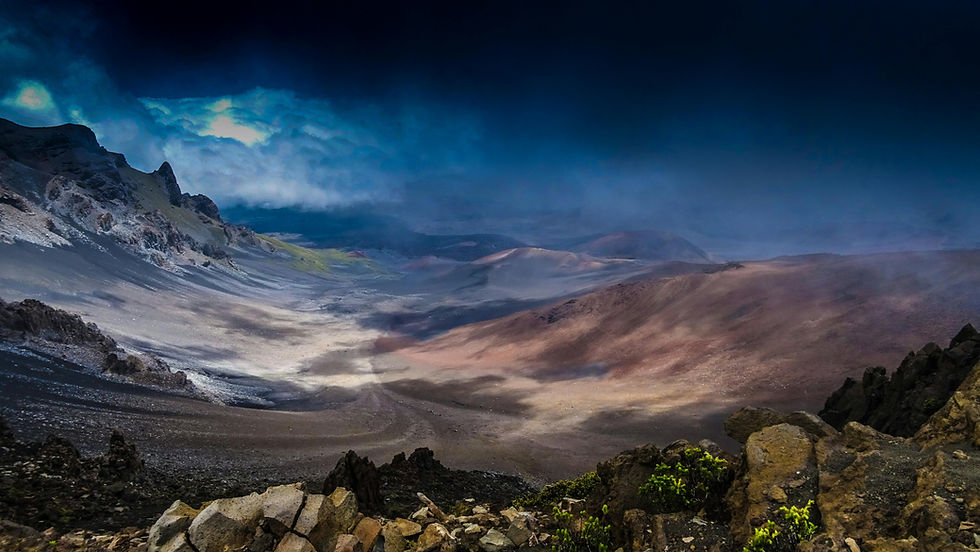
Hawaii is a destination that shines in every season, offering travellers a new perspective each month of the year. Winter brings powerful surf, whale watching, and festive lights, while spring softens into calm seas, flower festivals, and cultural parades. Summer is alive with energy, long days of sunshine, and celebrations that spill across beaches and towns.
Autumn carries a slower pace, blending food festivals, harvest flavours, and the gentle arrival of the whale migration.
Choosing the best time to visit Hawaii depends on what you want most from your journey. If you crave surfing, December and January deliver the biggest waves. For cultural immersion, April’s Merrie Monarch Festival or September’s Aloha Festivals reveal the islands’ heart.
Families may enjoy May and June for calm seas and moderate crowds, while October offers a quieter, more intimate escape. Each month layers new experiences onto the islands’ beauty.
No matter when you go, Hawaii is more than a holiday; it is a rhythm of nature, culture, and tradition that stays with you long after you leave. Every visit is different, but each one carries the same promise: warm seas, vibrant communities, and unforgettable memories.
When exploring these hidden gems, always consider hiring a guide or joining a tour group, as some locations may require local expertise for the best experience.
Did you know we have a Hidden Gem Finder on our website? This handy little map shows over 13,000 hidden gems across the entire world with their exact co-ordinates available to view on Google Maps as well as an image/description for each one!


Comments