
10 Best Places to Visit in China in May (2026 Great Wall Marathon & Golden Week)
- Our Hidden Earth

- Mar 27
- 10 min read
China in May is a smart move. You're past the chill of early spring, but the brutal summer heat hasn't properly kicked in yet.
That means you get decent weather for exploring, without melting into a puddle or freezing your bits off. It's a sweet spot, really.
Plus, the major Golden Week crowds from early May are usually dying down by the second week, which makes everything a bit more breathable.
If you're looking to hit up some truly epic spots without the worst of the human crush, this is your window. So, ditch the faff and let's get into where you should actually go.

1) Beijing
You can't go to China and skip Beijing, plain and simple. It’s the capital, packed with history that hits you right in the face.
May offers clear skies, perfect for stomping around massive historical sites without sweating through your shirt. Head straight for the Forbidden City; it’s genuinely huge and gives you a real sense of imperial power.
Afterwards, climb Jingshan Park for cracking views over the palace roofs, an ideal spot to watch the sun dip. Eat Peking duck; it’s an absolute must-do here, crispy skin and all.
The vibe is grand, ancient, but also relentlessly modern. You’ll feel the weight of centuries. Go explore the hutongs to see a different side of the city.
FAQs/Things to know before visiting Beijing
1. What's the best way to get around Beijing?
The Beijing subway system is extensive, efficient, and cheap, making it the best option for most tourist spots. Taxis and ride-sharing apps are also readily available for convenience.
2. Do I need to book attractions in Beijing in advance?
Yes, for popular sites like the Forbidden City and Mutianyu Great Wall, booking tickets online several days ahead is highly recommended, especially in May. This saves you hassle and ensures entry.
3. What should I pack for Beijing in May?
Pack layers. Days are generally warm, but evenings can be cooler. Comfortable walking shoes are essential, as you'll do a lot of walking in Beijing. Bring sunscreen and a hat too.


2) Shanghai
Shanghai is all about that futuristic skyline and buzzing energy. It feels completely different from Beijing, a proper global city with a rich, colonial past.
May brings comfortable temperatures for strolling along the Bund, admiring the architecture. Go up a skyscraper, like the Shanghai Tower, for absolutely insane views of the city stretching out forever.
Explore the French Concession for leafy streets and cool cafes, a nice contrast to the high-rises.
The food scene here is electric, from street eats to Michelin-starred joints, so get stuck in. This city never sleeps, offering something for everyone. You’ll find world-class shopping too.
FAQs/Things to know before visiting Shanghai
1. Is Shanghai expensive for tourists?
Shanghai can be as expensive or as affordable as you make it. Accommodation and high-end dining can be pricey, but street food and public transport in Shanghai are very budget-friendly.
2. What's a must-do activity in Shanghai?
Walking along The Bund in the evening to see the illuminated Pudong skyline is an absolute must-do in Shanghai. It's an iconic and free experience.
3. How many days do I need in Shanghai?
Three to four full days usually gives you enough time to see the main sights and get a feel for the city's different districts.

3) Xi'an
If ancient history is your bag, Xi'an delivers it in spades. This city was the starting point of the Silk Road and capital for thirteen dynasties, so it's steeped in heritage.
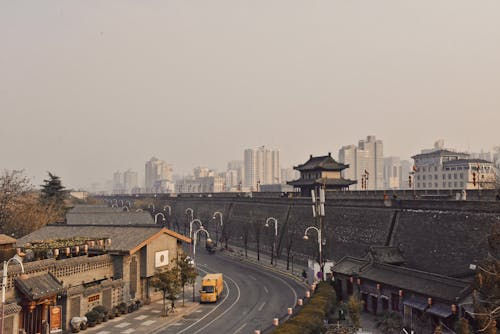
May is fantastic for visiting the Terracotta Army, arguably its most famous draw; you’ll want good weather for that. Rent a bike and cycle the ancient city walls; it’s a brilliant way to see the city from a unique perspective.
Don't miss the Muslim Quarter for incredible street food and a lively atmosphere. The vibe here is seriously old-school China, but still with a modern buzz.
You'll feel connected to emperors and traders. Check out the Drum and Bell Towers too.
FAQs/Things to know before visiting Xi'an
1. How do I get to the Terracotta Army from Xi'an city centre?
Take tourist bus line 5 (306) from outside Xi'an Railway Station directly to the Terracotta Army site. It's cheap and efficient.
2. Is it safe to eat street food in Xi'an's Muslim Quarter?
Yes, generally it's safe and highly recommended to try the street food in Xi'an's Muslim Quarter. Look for stalls with long queues and high turnover for freshness.
3. What's the currency used in Xi'an?
The currency used in Xi'an, and throughout China, is the Chinese Yuan (CNY), also known as Renminbi (RMB). Cash, WeChat Pay, and Alipay are widely accepted.

4) Chengdu
Chengdu is chilled out, famous for its pandas and unbelievably tasty Sichuan food. If you're after a more relaxed city vibe with definite highlights, this is it.
May offers warm, pleasant weather, ideal for a morning visit to the Chengdu Research Base of Giant Panda Breeding. Seeing those lazy giants munching bamboo is pure joy, a definite highlight.
Afterwards, dive into the local tea houses; it’s a huge part of the city's social fabric and a great way to unwind.
The food here is spicy, fragrant, and addictive, so prepare your taste buds. This place feels laid-back and genuinely friendly. You'll want to try the hot pot.
FAQs/Things to know before visiting Chengdu
1. How early should I go to the Panda Base in Chengdu?
Go as early as possible, ideally right when it opens, to see the pandas at their most active and avoid the biggest crowds. This is especially true for the Chengdu Research Base of Giant Panda Breeding.
2. What are some essential Sichuan dishes to try in Chengdu?
Definitely try Mapo Tofu, Dan Dan Noodles, Kung Pao Chicken, and, of course, authentic Sichuan Hot Pot when you're in Chengdu. Prepare for some spice!
3. Can I get around Chengdu easily without speaking Chinese?
Yes, you can manage fine. Many signs have English, and popular apps like WeChat and translation tools help immensely. Taxis and ride-shares are also easy to use.

5) Guilin/Yangshuo
For sheer natural beauty, Guilin and its nearby town, Yangshuo, are hard to beat. The karst mountains jutting out of the landscape are absolutely iconic, unlike anywhere else.
May is prime time; the weather is warm but not stifling, and the scenery is incredibly lush. Take a Li River cruise from Guilin to Yangshuo; it’s the classic way to see the dramatic peaks and will probably be etched in your memory.
Once in Yangshuo, rent a bicycle and pedal through the rice paddies, or try a cooking class to learn some local cuisine.
The vibe here is relaxed, outdoor-focused, and incredibly picturesque. You’ll feel a million miles from city life.
FAQs/Things to know before visiting Guilin/Yangshuo
1. How long does the Li River cruise from Guilin to Yangshuo take?
The main scenic cruise typically takes around 4-5 hours, depending on the boat and water levels. It's a comfortable way to see the Guilin scenery.
2. What's the best way to explore the countryside around Yangshuo?
Renting a bicycle is by far the best way to explore the stunning countryside and villages around Yangshuo. Many guesthouses offer rentals, or you can find them in town.
3. Is it easy to find English speakers in Yangshuo compared to Guilin?
Yes, Yangshuo generally has more English speakers, especially in the tourist-oriented areas like West Street, due to its popularity with international backpackers.
6) Hangzhou
Hangzhou is famous for its serene West Lake, a UNESCO site that’s inspired poets for centuries. It’s got a much calmer pace than Shanghai, making it a perfect chill-out spot.
May offers pleasant weather for walking or cycling around the lake, which is the main draw here. Rent a small boat on West Lake; it’s a lovely, peaceful way to see the temples and pagodas dotted along the shores.
Visit the tea plantations in the surrounding hills and try some authentic Longjing (Dragon Well) tea, a local specialty.
The vibe is elegant, cultured, and incredibly scenic. You'll appreciate the tranquility. Explore the historic streets too.
FAQs/Things to know before visiting Hangzhou
1. What's the best way to experience West Lake in Hangzhou?
Combining walking or cycling around the shoreline with a short boat ride on West Lake gives you the best perspective of its beauty. Don't rush it.
2. How far is Hangzhou from Shanghai, and what's the best transport?
Hangzhou is about an hour's bullet train ride from Shanghai, making it an easy day trip or overnight stay. The high-speed rail is the most convenient option.
3. Are there any good tea plantations to visit near Hangzhou?
Absolutely, Meijiawu Tea Village and Longjing Village are excellent choices for visiting tea plantations near Hangzhou. You can learn about tea production and sample fresh brews.

7) Suzhou
Often called the "Venice of the East," Suzhou is all about classical gardens, canals, and elegant bridges. It’s wonderfully photogenic and a stark contrast to China's mega-cities.
May provides comfortable temperatures to wander through its meticulously designed gardens, which are the city's pride.
Spend an afternoon exploring the Humble Administrator's Garden or Lingering Garden; they’re masterpieces of traditional Chinese landscape design.
Take a gondola ride along the canals; it’s touristy but a classic experience that’s worth doing. The vibe is refined, peaceful, and historically rich. You'll find intricate silk embroidery here. Explore Pingjiang Road for a real old-town feel.
FAQs/Things to know before visiting Suzhou
1. How many gardens should I visit in Suzhou?
Choose two or three gardens in Suzhou to fully appreciate their design and history without suffering from "garden fatigue." The Humble Administrator's Garden and Lingering Garden are top picks.
2. Is Suzhou easily accessible from Shanghai?
Yes, Suzhou is very easily accessible from Shanghai by high-speed train, taking only about 30 minutes. It makes for a popular day trip or a pleasant overnight stay.
3. What local specialty food should I try in Suzhou?
Try Suzhou-style noodles, particularly the 'squirrel-shaped mandarin fish,' if you're feeling adventurous. Suzhou also has excellent sweets and pastries.

8) Zhangjiajie
If you've seen the movie Avatar, then Zhangjiajie will look eerily familiar, thanks to its towering sandstone pillars.
This place is genuinely spectacular, a real jaw-dropper. May is a sweet spot for weather; the spring rains make everything vibrant green, and the temperatures are good for hiking.
Ride the Bailong Elevator, the world's tallest outdoor elevator, for quick access to the mountain peaks. Walk across the Zhangjiajie Grand Canyon Glass Bridge; it’s terrifyingly exhilarating.
The vibe here is wild, dramatic, and utterly surreal. You’ll feel like you’ve stepped onto another planet. Give yourself a few days to properly explore the national park.
FAQs/Things to know before visiting Zhangjiajie
1. What's the best way to get around Zhangjiajie National Forest Park?
The park has an excellent free shuttle bus system that connects all the major scenic spots and cable car stations within Zhangjiajie National Forest Park. Wear comfortable shoes.
2. How many days are recommended to visit Zhangjiajie?
Allocate at least 3 to 4 full days to properly explore the Zhangjiajie National Forest Park and its surrounding attractions like Tianmen Mountain and the Glass Bridge.
3. Is it necessary to book Zhangjiajie accommodation in advance?
Yes, especially during May, booking accommodation in Zhangjiajie or nearby Wulingyuan well in advance is highly advisable to secure your preferred options.

9) Lijiang
Lijiang's Old Town, a UNESCO site, is a maze of cobblestone streets, canals, and traditional Naxi architecture. It's touristy, yes, but still charming enough to warrant a visit.
May offers ideal weather for wandering these ancient lanes without feeling too hot or cold. Explore the Old Town on foot, get lost in its alleys, and discover hidden courtyards.
Climb up Lion Rock for panoramic views over the terracotta rooftops. The vibe is relaxed but lively, with a distinct ethnic charm. You'll hear traditional music and see local crafts. Try the local yak meat hot pot.
FAQs/Things to know before visiting Lijiang
1. What's the altitude of Lijiang, and should I worry about altitude sickness?
Lijiang Old Town is around 2,400 meters (7,900 feet) above sea level. Most visitors don't experience severe altitude sickness, but take it easy on your first day and stay hydrated in Lijiang.
2. Is it safe to drink tap water in Lijiang?
No, it is not safe to drink tap water directly in Lijiang or anywhere else in China. Stick to bottled water, which is widely available, or boiled water provided by your accommodation.
3. What are some unique cultural experiences in Lijiang?
Attend a Naxi ancient music performance, visit the Mu Palace, and explore the nearby Shuhe Ancient Town for a more authentic, less crowded experience in Lijiang.
10) Huangshan (Yellow Mountain)
Huangshan is one of China’s most famous and stunning mountain ranges, celebrated for its unique granite peaks, gnarled pines, and sea of clouds. It’s an epic hike and truly worth the effort.
May is a fantastic time to go; the weather is generally clear, and the spring greenery is in full effect. Take a cable car up (unless you're a glutton for punishment) and then spend a day or two hiking the various trails.
Catch a sunrise or sunset from one of the mountain hotels; it’s an unforgettable sight. The vibe here is majestic, wild, and incredibly inspiring. You’ll feel tiny amidst nature’s grandeur. Pack good walking boots.
FAQs/Things to know before visiting Huangshan (Yellow Mountain)
1. How physically demanding is a visit to Huangshan?
While cable cars reduce some climbing, exploring Huangshan still involves a significant amount of walking and stair climbing. A moderate level of fitness is recommended.
2. Where should I stay when visiting Huangshan?
You can stay on the mountain at one of the hotels for the best sunrise/sunset views, or stay at the base in Tangkou or Tunxi (Huangshan City) for more budget-friendly options.
3. What should I pack for a trip to Huangshan in May?
Pack layers as temperatures can change quickly, good waterproof hiking boots, rain gear, and plenty of water. A headlamp for early morning hikes is also a good idea for Huangshan.

Look, China is massive, and trying to see everything in one go is a fool's errand. Pick a region or a few spots that genuinely grab you, and lean into those.
May offers some of the best conditions across the board, so you’ve made a decent choice of timing. Don't overschedule yourself; leave some room for spontaneity.
China throws up surprises at every turn, so enjoy the ride, embrace the chaos, and remember to look up from your phone once in a while. You won't regret it.
When exploring these hidden gems, always consider hiring a guide or joining a tour group, as some locations may require local expertise for the best experience.
Did you know we have a Hidden Gem Finder on our website? This handy little map shows over 25,000 hidden gems across the entire world with their exact co-ordinates available to view on Google Maps as well as an image/description for each one!


Comments