
10 Best Places to Visit in Turkey in February (2026 Snow & Spa)
- Our Hidden Earth

- Jan 8
- 8 min read
Alright, planning a trip to Turkey in February? You're doing it right. Skip the summer madness and explore this country when it's quiet, a bit brisk, but seriously charming.
Forget battling crowds for that perfect photo; February offers a more authentic, relaxed experience.
You get cooler temperatures, often some dramatic snowscapes inland, and seriously good deals on everything.
This is your chance to see Turkey like a local, without all the fuss. Pack some layers and get ready for an adventure that’s far from the usual tourist grind.

1) Istanbul
Istanbul in February is atmospheric, with fewer tourists cluttering up the famous spots. The city hums along, offering a real feel for its everyday rhythm.
You can wander through historical sites without the usual queues, taking your time to soak it all in.
Enjoy a Bosphorus cruise; the winter light on the water is quite striking. Head indoors to the Grand Bazaar for some relaxed shopping or explore a proper Turkish bath to warm up.
Get stuck into the local food scene, finding cosy spots for hearty meals.
FAQs/Things to know before visiting Istanbul
1. What's the weather like in Istanbul in February?
Expect cold and sometimes windy weather, with average temperatures between 4°C and 10°C. You will need warm layers.
2. Are popular attractions in Istanbul open in February?
Yes, major attractions like Hagia Sophia and the Blue Mosque are open, and you'll find them far less crowded. This makes visiting Istanbul in February a great shout.
3. Is Istanbul good for shopping in February?
Absolutely. The Grand Bazaar and modern shopping malls offer a comfortable indoor experience, and you might find some good deals.

2) Cappadocia
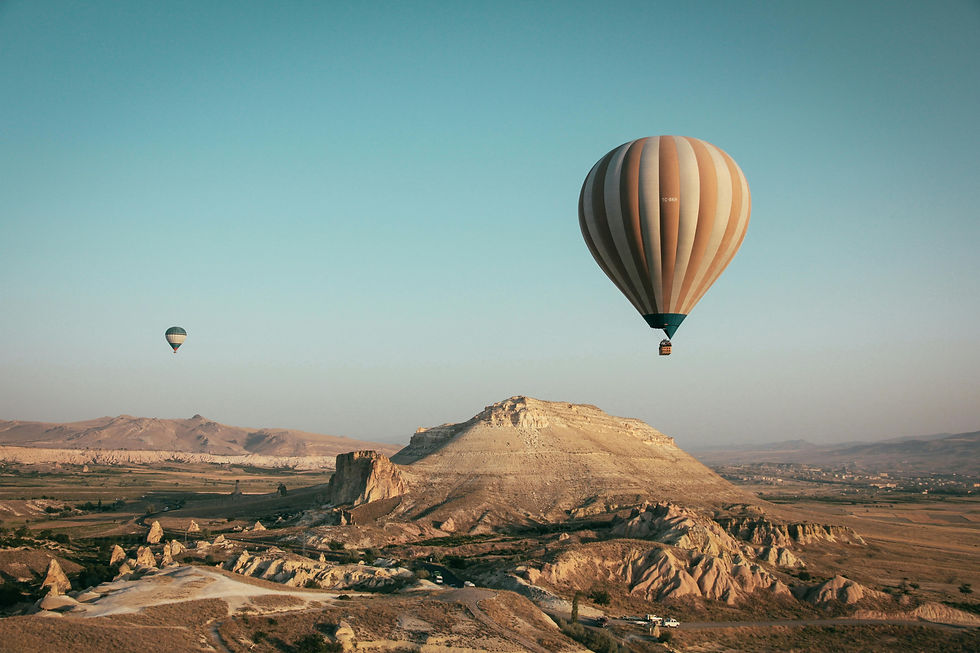
Cappadocia transforms into a real-life winter wonderland in February, often dusted with snow.
The unique fairy chimneys look even more surreal under a white blanket. Hot air balloon rides usually still go ahead, offering truly incredible views of the snowy landscape.
Underground cities provide a warm escape from the cold above ground. Go on a winter hike through the quiet valleys for some stunning photo opportunities.
This is a quieter, more intimate way to experience Cappadocia.
FAQs/Things to know before visiting Cappadocia
1. Can you do hot air balloon rides in Cappadocia in February?
Yes, hot air balloon flights often operate in Cappadocia in February, weather permitting. Book a few days to increase your chances.
2. How cold is Cappadocia in February?
It's typically crisp and cold, with daytime temperatures between 2°C and 10°C, and nights dropping to -5°C or lower. Snowfall is common in Cappadocia.
3. What should I pack for Cappadocia?
Pack warm layers, waterproof boots, an insulated jacket, gloves, and a hat. Sunglasses are useful due to snow glare.
3) Pamukkale
Pamukkale's white travertine terraces are still impressive in February, and much less busy.
The warm, mineral-rich thermal pools are particularly inviting when the air is cooler. Wade through the terraces or take a dip in Cleopatra's Antique Pool.
The adjacent ancient city of Hierapolis is also open for exploration. You get to experience the site's unique beauty in a serene setting.
The whole place feels more contemplative without the peak season crowds.
FAQs/Things to know before visiting Pamukkale
1. What is the weather like in Pamukkale during February?
Pamukkale sees moderate temperatures, typically around 12°C during the day, with occasional rainfall. Nights can drop to 2°C.
2. Can you swim in Pamukkale's thermal pools in February?
Absolutely, the thermal pools maintain their warmth, making them an excellent activity in the cooler February weather. Cleopatra's Antique Pool is a great spot.
3. Are there many tourists in Pamukkale in February?
No, February is considered low season, so you will find far fewer visitors at Pamukkale. This makes for a more peaceful experience.

4) Uludağ (Bursa)
Uludağ is Turkey's premier spot for hitting the slopes, and February is peak ski season. You'll find good snow conditions and a lively atmosphere for winter sports.
The ski resort is easily accessible from Bursa by road or cable car. Beginners and experienced skiers alike find suitable runs here.
After a day on the pistes, enjoy the cozy mountain hotels and their facilities. This is where you go for a proper winter break with plenty of action.
FAQs/Things to know before visiting Uludağ (Bursa)
1. Is February a good time for skiing in Uludağ?
Yes, February is prime time for skiing and snowboarding in Uludağ, with excellent snow conditions. The snowiest week is usually the third week of February.
2. How do you get to Uludağ Ski Resort?
You can reach Uludağ by a sealed road from Bursa or via a combined cable-car and bus route. The cable car offers great views.
3. What kind of slopes does Uludağ offer?
Uludağ offers mostly intermediate slopes on lightly forested terrain, suitable for a range of skill levels. There are plenty of lifts available.

5) Aphrodisias
Aphrodisias, an ancient city dedicated to the goddess of love, is a quiet escape in February.
You get to explore extensive Roman and Greek ruins without the crowds. The marble sculptures and structures are particularly striking in the soft winter light.
Walk through the stadium, the Temple of Aphrodite, and the Sebasteion.
The on-site museum houses an impressive collection of artefacts found at Aphrodisias. This site offers a peaceful historical exploration.
FAQs/Things to know before visiting Aphrodisias
1. What's special about visiting Aphrodisias in February?
February means fewer tourists, allowing you to explore the vast archaeological site in peace. The soft winter light is great for photography on the marble ruins.
2. What major attractions can I see at Aphrodisias?
You can see the Tetrapylon, the Temple of Aphrodite, a large stadium, and the impressive Sebasteion complex. Don't miss the excellent Aphrodisias Museum on site.
3. Is Aphrodisias easily accessible?
It's a bit off the main tourist routes, so having your own transport is best, or arranging a taxi from nearby Pamukkale or Denizli. Public transport connections require more planning.

6) Antalya
Antalya offers a much milder winter climate than inland Turkey, making it great for exploring.
Temperatures are comfortable for sightseeing, even if it's not beach weather. Explore the old town, Kaleiçi, with its narrow streets and Ottoman-era houses.
Visit the Antalya Archaeological Museum, which is fantastic and less busy in February.
Go for walks along the coast or explore nearby ancient ruins like Termessos. You experience the city's charm without the intense summer heat or crowds.
FAQs/Things to know before visiting Antalya
1. What are average temperatures in Antalya in February?
Daytime temperatures in Antalya range from 12°C to 19°C, offering pleasant conditions for exploring. Nights are cooler, dropping to around 6°C.
2. Is it rainy in Antalya in February?
February is one of the wetter months, so expect moderate rainfall and occasional showers. Bring a light raincoat or umbrella for Antalya.
3. What can I do in Antalya during February?
Explore Kaleiçi (the old town), visit the Antalya Archaeological Museum, or check out ancient ruins like Termessos. The weather is ideal for outdoor historical exploration.

7) Izmir
Izmir, a lively Aegean city, has a mild winter, perfect for cultural exploration. Temperatures are pleasant enough for walking around, usually between 5°C and 14°C.
Explore the bustling Konak Square and its iconic clock tower. Visit the Izmir Archaeology Museum to see artifacts from ancient civilizations.
Take a boat tour of the Gulf of Izmir for a different perspective. You get to enjoy the city's history and vibrant local life without the summer crush.
FAQs/Things to know before visiting Izmir
1. What's the climate like in Izmir in February?
Izmir experiences mild and humid weather in February, with temperatures from 5°C to 14°C. Expect some wind and moderate rainfall in Izmir.
2. Are there good cultural activities in Izmir in February?
Yes, explore museums like the Izmir Archaeology Museum, stroll through Konak Square, and enjoy local markets. These are great ways to experience Izmir.
3. Can I visit nearby ancient sites from Izmir in February?
Absolutely. Cooler temperatures and fewer crowds make February an ideal time to visit places like Ephesus from Izmir.

8) Trabzon
Trabzon, on the Black Sea coast, offers a quieter, often snowy experience in February. The surrounding mountains and plateaus can be quite picturesque under snow.
Visit the famous Sumela Monastery, which looks particularly dramatic against a snowy backdrop.
Explore Trabzon's Hagia Sophia, which now functions as a mosque, with its Byzantine frescoes.
Enjoy hearty local Black Sea cuisine in cozy cafes. This region gives you a real feel for winter in a less-visited part of Turkey.
FAQs/Things to know before visiting Trabzon
1. What's the weather like in Trabzon in February?
Trabzon in February is cold and breezy, with temperatures between 5°C and 11°C, and high rainfall. Snowfall is common, especially in the mountains.
2. Can you visit Sumela Monastery in Trabzon in February?
Yes, Sumela Monastery is generally accessible, but check local conditions for potential snow-related road closures. It offers a stunning winter view.
3. What outdoor activities can you do in Trabzon during winter?
You can enjoy serene walks around Uzungol Lake or snowshoeing in nearby plateaus if snow conditions allow. Dress very warmly for Trabzon's winter.
9) Kars and Ani
For something truly different, head east to Kars and the ancient ruins of Ani in February. Expect freezing temperatures and deep snow, creating a stark, beautiful landscape.
Kars city itself has a unique Russian-influenced architecture to explore. The ancient Armenian city of Ani, a UNESCO site, is absolutely unforgettable when covered in snow.
You'll likely have these historic ruins almost entirely to yourself. This is a journey for those who love extreme beauty and solitude in winter.
It’s a photographer’s dream with truly dramatic scenery.
FAQs/Things to know before visiting Kars and Ani
1. How cold is Kars and Ani in February?
Kars and Ani are very cold in February, with temperatures often well below freezing. Pack extreme winter gear. Expect deep snow in this eastern Turkey region.
2. Is it easy to get to Ani from Kars in February?
Access to Ani is usually possible, but roads might be challenging due to snow. Arrange transport from Kars carefully, perhaps with a local driver.
3. What makes Kars and Ani special in winter?
The ancient ruins of Ani under a blanket of snow are incredibly dramatic and often devoid of other tourists. Kars also offers a unique historical atmosphere.

10) Datça Peninsula
The Datça Peninsula offers a peaceful, unhurried escape with a milder winter than many other regions.
February brings pleasant, moderately chilly weather, around 11°C to 15°C. You can explore charming Eski Datça with its stone houses and quiet streets.
The Almond Blossom Festival often takes place in February, celebrating the peninsula's almond groves.
Walk along the quiet coves and enjoy the clear air and serene coastal views. This is a place to relax and enjoy nature's calm beauty.
FAQs/Things to know before visiting Datça Peninsula
1. What is the weather like on the Datça Peninsula in February?
The Datça Peninsula is moderately chilly and slightly windy in February, with average highs of 15°C and lows of 11°C. Rainfall is moderate.
2. What unique events happen on the Datça Peninsula in February?
The Almond Blossom Festival (Badem Çiçeği Festival) often occurs in February, celebrating the blooming almond trees. This is a local cultural highlight on the Datça Peninsula.
3. What kind of activities are best for the Datça Peninsula in winter?
Enjoy quiet walks in Eski Datça, explore the numerous coves, and experience the peaceful coastal atmosphere. It’s perfect for a relaxed getaway.

Forget everything you think you know about visiting Turkey. February isn't about baking on a beach; it's about seeing the country truly raw and real.
You get incredible historical sites almost to yourself and a genuine feel for Turkish life.
Embrace the cooler weather, dress smart, and you'll have an unforgettable trip. It's quieter, cheaper, and frankly, a far more interesting experience than the summer stampede. Go and see a different side of Turkey. You won't regret it.
When exploring these hidden gems, always consider hiring a guide or joining a tour group, as some locations may require local expertise for the best experience.
Did you know we have a Hidden Gem Finder on our website? This handy little map shows over 13,000 hidden gems across the entire world with their exact co-ordinates available to view on Google Maps as well as an image/description for each one!


Comments