
10 BEST hidden gems to visit in Turkey in August

Turkey in August is a country alive with summer colour, warmth, and energy. While many travellers head straight for famous hotspots like Bodrum, Cappadocia, or Antalya, there are countless lesser-known destinations that shine brightest during this month.
Hidden beaches, mountain villages, serene lakes, and untouched valleys all reveal a quieter side of Turkey that feels both authentic and refreshing. These hidden gems offer the same sunshine and seasonal charm as the bigger resorts, yet they remain off the beaten path, making them ideal for those who want to experience something different.
In August, the weather is at its peak across most of Turkey, with long days filled with golden light and evenings that remain pleasantly warm. Markets are overflowing with summer fruits like figs, peaches, and melons, while local festivals bring music, food, and dance to town squares.
This guide introduces ten of Turkey’s best hidden gems to visit in August. Each place is unique, offering a mix of nature, culture, and seasonal flavour that creates a memorable summer holiday. By the end, you may find yourself drawn to paths less travelled, where Turkey’s true spirit quietly shines.

1) Akyaka
Akyaka, a small town on the Gulf of Gökova, is a refreshing escape in August. The mornings are filled with cool breezes from the surrounding pine forests, making breakfast by the river particularly inviting.
Wooden restaurants built along the Azmak River serve trout and freshly baked bread while ducks glide past in the clear water. The calm start of the day gives way to hours of sunshine that light up the turquoise coast.
August afternoons in Akyaka are best spent along the town’s sandy beach, known for its shallow, warm waters. Families gather here while windsurfers take to the bay, as the afternoon wind makes it one of Turkey’s top spots for the sport.
For those who prefer quiet, the nearby coves are less crowded and perfect for swimming. The combination of hot sun and cool breezes makes the days feel balanced and enjoyable.
As evening falls, Akyaka’s streets come alive with the smell of grilled fish and herbs. Cafes spill out onto cobbled lanes, where musicians sometimes play saz and sing traditional Aegean songs. The warm air lingers long after sunset, encouraging slow walks by the marina.
Akyaka in August feels both lively and laid-back, offering a blend of sea, nature, and culture. It is the kind of place where you can swim in the morning, wander forests by afternoon, and dine by candlelight at night. With its unique architecture and welcoming atmosphere, it remains one of Turkey’s most charming hidden gems.
FAQs/Things to know before visiting Akyaka
4) What is the weather like in Akyaka in August?
Akyaka has hot summer weather in August, with temperatures usually between 28°C and 34°C. The breeze from the Gulf of Gökova keeps the air fresh. The river and surrounding pine forests add coolness compared to nearby resorts. Evenings remain pleasantly warm for outdoor dining.
2) Can you swim in Akyaka in August?
Yes, Akyaka’s beach is ideal for swimming in August. The shallow waters are especially safe for children and families. The sea temperature is around 26°C, making it comfortable for long swims. Many visitors also enjoy paddleboarding and kayaking in the calm waters.
3) Is Akyaka good for windsurfing in August?
August is one of the best months for windsurfing in Akyaka. The afternoon winds are steady and reliable, creating excellent conditions for beginners and advanced surfers alike. Several schools offer lessons and equipment rental. The bay is internationally recognised for the sport.
4) What foods are seasonal in Akyaka in August?
Figs, peaches, and watermelons are at their peak in August. Fresh trout from the Azmak River is a local speciality. Meze made with seasonal herbs and vegetables is widely available. Olive oil from the region enhances the flavour of many dishes.

2) Datça
Datça is a peninsula where two seas meet, and in August it feels like a world of its own. The mornings begin with gentle breezes, carrying the scent of thyme and sage from the hills. The harbour is quiet early on, as fishermen return with their catch and cafes set out trays of simit.
By midday, the sun is bright and strong, and the beaches become the heart of activity. Palamutbükü is particularly beautiful, with clear waters and pebble shores that shimmer in the light. Swimming is refreshing, and the sea stays calm even in the hottest hours.
Many visitors take boat trips around the bays, where hidden coves provide a private escape.
In the evening, Datça glows with golden light, and the old town fills with music and laughter. Stone houses with wooden balconies host restaurants serving local almonds, honey, and freshly caught seafood. Seasonal fruits like figs and grapes are turned into jams and desserts. The air is thick with the smell of grilled fish and rosemary.
Datça in August is about enjoying life’s simple pleasures in a setting of natural beauty. It is a place where the Aegean meets the Mediterranean, creating a landscape as rich as its culture. The days are long, the nights are soft, and every moment feels unhurried.
FAQs/Things to know before visiting Datça
1) How hot is Datça in August?
Datça enjoys hot, sunny weather in August, with average temperatures between 30°C and 35°C. The peninsula’s breezes make the heat feel less intense. The sea offers a constant chance to cool down. Nights remain warm but comfortable.
2) Can you swim in Datça in August?
Yes, the waters around Datça are perfect for swimming in August. Palamutbükü and other bays are calm and clear. The sea temperature is warm enough for long swims. Many visitors also enjoy snorkelling to spot fish.
3) What foods are seasonal in Datça in August?
Datça is famous for its almonds, which are harvested in late summer. Figs and grapes are also in season. Honey from the peninsula is a local treasure. Fresh seafood is widely served in harbour restaurants.
4) Is Datça crowded in August?
Datça is less crowded than nearby Bodrum or Marmaris, even in August. While beaches are popular, they rarely feel overwhelming. The town maintains its slow pace and welcoming charm. It is an excellent choice for travellers seeking tranquillity.

3) Bozburun
Bozburun, tucked away on the southwestern coast of Turkey, is a treasure that shines quietly in August. The mornings here begin with a soft stillness, broken only by the sound of gulls circling above the harbour.
The sun climbs steadily, casting golden reflections across the sea and highlighting the polished wood of gulets docked along the quay. Fishermen return with their catch, and the aroma of freshly baked simit mingles with the salty air.
By midday, the heat deepens, but the coastal breezes bring balance. This is the perfect time to take a gulet cruise, where the sea reveals hidden coves that feel entirely your own. Swimming in the sheltered bays is refreshing, with the water warm on the surface yet cool enough below to offer relief from the summer sun.
As evening arrives, Bozburun changes character. The harbour glows under the setting sun, and restaurants prepare tables along the water’s edge. Grilled sea bream, aubergine meze, and seasonal grapes fill the menus, their flavours enhanced by local olive oil.
Bozburun in August is unhurried and deeply restorative. The town thrives at its own pace, inviting visitors to slow down and savour the rhythm of summer. With its balance of sea, food, and tranquillity, it feels like a secret meant to be shared only with those who make the effort to find it.
FAQs/Things to know before visiting Bozburun
1) What is the weather like in Bozburun in August?
Bozburun has hot, sunny weather in August, with average temperatures between 30°C and 35°C. The air can feel intense at midday, but breezes from the Aegean bring comfort. Early mornings are cooler, perfect for exploring the town or enjoying a quiet walk. Evenings cool slightly but remain warm enough for outdoor dining by the harbour.
2) Is Bozburun good for sailing in August?
Yes, August is an excellent month for sailing in Bozburun. The calm, clear sea and steady sunshine create perfect conditions for gulet cruises. Many boats offer day trips with swimming stops in hidden coves. Longer journeys allow travellers to sleep under the stars while drifting along the peninsula.
3) How crowded is Bozburun in August?
Despite August being peak travel season in Turkey, Bozburun remains relatively uncrowded. Its focus on sailing and small guesthouses keeps visitor numbers lower than nearby Marmaris. Beaches are never packed, and restaurants maintain a relaxed pace. This makes it a wonderful choice for those seeking peace and authenticity.
4) What foods are seasonal in Bozburun in August?
Fresh fish dominates menus in August, particularly sea bream and red mullet. Grapes and figs are also at their peak, appearing in both savoury dishes and desserts. Local olive oil gives a rich taste to meze spreads and salads. Honey from the peninsula is another speciality worth sampling.

4) Gökçeada
Gökçeada, the largest island in Turkey, feels like a hidden world in August. Its mornings are gentle, with breezes carrying the fragrance of thyme and sage from the hillsides. Villages of stone houses glow in the early light, and breakfasts feature local cheeses, olives, and honey drizzled over warm bread.
As the day warms, the beaches become a focal point. Aydıncık Beach is famous for windsurfing, and August’s steady winds draw enthusiasts from across the world. For those seeking stillness, coves hidden between rocky cliffs provide crystal-clear swimming.
Springs running through the island ensure greenery remains even during the summer heat, giving a sense of freshness rare in August.
Evenings are when the island’s culture truly shines. In villages such as Tepeköy, locals gather outdoors to celebrate with food, music, and traditional dance. Figs and grapes from local orchards appear in desserts, their sweetness intensified by the season. The atmosphere is warm, welcoming, and steeped in tradition.
August in Gökçeada is both invigorating and restorative. Its combination of strong winds, cool springs, and timeless villages offers a unique summer experience. It remains one of the Aegean’s most authentic escapes, a place where nature and culture exist in perfect balance.
FAQs/Things to know before visiting Gökçeada
1) What is the weather like in Gökçeada in August?
Gökçeada enjoys hot summer days, with temperatures averaging 29°C to 34°C. Coastal winds from the Aegean keep the heat more bearable than inland areas. The sea breeze adds freshness during the hottest hours. Evenings stay warm but remain comfortable for outdoor dining.
2) Is Gökçeada good for windsurfing in August?
Yes, Aydıncık Beach is one of the best places in Turkey for windsurfing in August. The winds are steady, and the conditions are reliable throughout the season. Equipment hire and lessons are widely available. The island has become a hub for both professionals and beginners.
3) Can you swim in Gökçeada in August?
Swimming in Gökçeada is excellent during August, with the sea reaching around 25°C. Many coves provide secluded places for quiet swims. The water is clear and calm, perfect for snorkelling. Families also appreciate the shallow, sandy stretches of beach.
4) What foods are seasonal in Gökçeada in August?
August brings figs and grapes to their peak, often used in jams and desserts. Fresh seafood, particularly red mullet, is common along the coast. Island honey and local cheeses are part of nearly every meal. Herbs from the hills add fragrance to traditional recipes.

5) Şirince
Şirince, perched on a hillside near Ephesus, looks like it belongs in a storybook during August. The mornings are cool compared to the surrounding plains, with air scented by jasmine and fig trees. Whitewashed houses with red-tiled roofs catch the first rays of sunlight, and the village feels peaceful before day visitors arrive.
Breakfast often includes homemade jams, freshly baked bread, and olive oil from nearby groves. By late morning, the sun brightens the cobbled streets, and shops open their doors. Local crafts, soaps, and fruit wines draw curious visitors. Grapes ripen in the August heat, and vineyards around the village take on a golden hue.
Evenings are when Şirince reveals its most enchanting side. Terraces fill with the aroma of grilled meats and meze made from seasonal produce. The sound of soft music echoes through the streets as families gather for long meals. The sky darkens slowly, with stars visible above the hillsides.
August in Şirince is both cultural and culinary. The blend of vineyards, historic charm, and cool hillside breezes makes it an unforgettable stop. It is a hidden gem where summer is savoured in every sense.
FAQs/Things to know before visiting Şirince
1) What is the weather like in Şirince in August?
Şirince experiences warm days of 28°C to 34°C in August. Its hillside setting brings cooler mornings and evenings compared to nearby Izmir. Afternoons are sunny but manageable with shaded streets and terraces. Rain is rare during this time of year.
2) What seasonal foods can you try in Şirince in August?
Grapes are the highlight, often enjoyed fresh or made into the village’s famous wines. Figs and peaches also appear in abundance. Olive oil from surrounding groves is used in many dishes. Traditional pastries filled with seasonal fruits are popular treats.
3) Is Şirince crowded in August?
Şirince can be busy during the day in August, especially with visitors from nearby Ephesus. Staying overnight allows you to experience the quieter evenings and mornings. The charm of the village is best enjoyed when the day crowds leave. Despite the visitors, the atmosphere remains welcoming.
4) What activities are popular in Şirince in August?
Wine tasting is the signature activity during August. Exploring vineyards and trying fruit wines offers a unique experience. Walking the historic streets gives insight into the village’s architecture. Dining on outdoor terraces while watching the sunset is a highlight.

6) Lake Eğirdir
Lake Eğirdir, nestled in Turkey’s Lake District, feels like a tranquil haven in August. The mornings are crisp and fresh, with mist sometimes rising from the water’s surface. Villagers begin their day by tending orchards heavy with peaches and apples. The cool air and mountain views create a calm and refreshing start.
As midday arrives, the lake reflects the bright sun like a mirror. Swimming is refreshing, with the water warm enough for comfort yet cool compared to coastal seas. Kayaking and paddleboarding allow visitors to explore the vast shoreline. The surrounding mountains remain green, nourished by springs and fertile valleys.
Evenings at Lake Eğirdir are peaceful and colourful. Families gather by the water’s edge with picnics of bread, cheese, and fresh fruit. The setting sun paints the horizon in hues of pink and gold. The cooler air makes it easy to sit outside long into the night.
Lake Eğirdir in August offers a slower pace, far from the bustle of seaside resorts. Its beauty lies in its simplicity: orchards, cool water, and endless mountain views. For those who want summer warmth without the crowds, it is an idyllic retreat.
FAQs/Things to know before visiting Lake Eğirdir
1) What is the weather like at Lake Eğirdir in August?
The area has warm, sunny days averaging 27°C to 32°C. Its altitude keeps nights cooler than coastal areas. Early mornings are particularly fresh, often with a light breeze. This makes it comfortable for both outdoor activity and rest.
2) Can you swim in Lake Eğirdir in August?
Yes, the lake is excellent for swimming in August. The water is clean and clear, with comfortable temperatures. Many locals and travellers enjoy daily dips. Piers and beaches make access easy for all ages.
3) What foods are seasonal at Lake Eğirdir in August?
Peaches and apples are harvested in August, filling markets with fresh fruit. Grapes and figs are also common in the region. Fresh trout from the lake is another speciality. Herbs and vegetables from local gardens flavour many meals.
4) How busy is Lake Eğirdir in August?
Lake Eğirdir is quieter than coastal resorts, even in peak summer. Turkish families often holiday here, but it never feels crowded. Weekdays are especially calm. It is a perfect choice for travellers seeking relaxation.

7) Amasra
Amasra, on the Black Sea coast, feels like a painting come alive in August. The mornings are cool compared to the Mediterranean, with gentle breezes sweeping in from the sea. Fishermen return to the harbour as the sun rises, unloading nets full of anchovies while locals sip tea along the waterfront.
The scent of fresh bread from family bakeries mixes with the salty air, creating a sense of homely comfort.
As the day warms, the beaches of Amasra become lively. The clear waters of İnkum Beach are inviting, with families enjoying swims under the summer sun. The Black Sea is cooler than the south, but in August it feels refreshing rather than cold. Rock formations along the coast create sheltered coves for quiet dips away from the crowd.
Evenings are a true highlight here. The sun sinks into the horizon, casting golden light over Amasra Castle and the two harbours it overlooks. Restaurants set tables outdoors, serving anchovy pilaf, grilled fish, and salads filled with seasonal vegetables.
The atmosphere is lively but never overwhelming, carrying the warmth of a small-town community.
Amasra in August is a hidden gem that blends seaside relaxation with cultural richness. Its cooler air, historical charm, and delicious food make it a refreshing alternative to crowded coastal resorts. For travellers who want authenticity wrapped in beauty, it delivers at every turn.
FAQs/Things to know before visiting Amasra
1) What is the weather like in Amasra in August?
Amasra is cooler than southern Turkey in August, with average highs between 26°C and 30°C. The Black Sea breeze keeps the climate fresh and pleasant. Mornings and evenings are especially comfortable. Rain is rare in this month, making it ideal for outdoor activities.
2) Can you swim in Amasra in August?
Yes, the Black Sea is warm enough for swimming during August. The water is cooler than the Aegean or Mediterranean, but it is refreshing in the summer heat. Popular beaches like İnkum offer soft sand and safe swimming areas. Sheltered coves also provide peaceful swimming spots.
3) What foods are seasonal in Amasra in August?
Anchovies are the star of Amasra’s cuisine, served grilled, fried, or in pilaf. Seasonal vegetables like tomatoes, aubergines, and peppers are abundant. Fresh figs and grapes also appear in markets. Olive oil-based meze dishes make use of local herbs.
4) Is Amasra busy in August?
Amasra is a popular Black Sea destination, so weekends can be lively. However, it is less crowded than resorts on the Mediterranean coast. Weekdays are quieter, allowing for a more relaxed experience. Its small-town charm ensures it never feels overwhelming.
8) Assos (Behramkale)
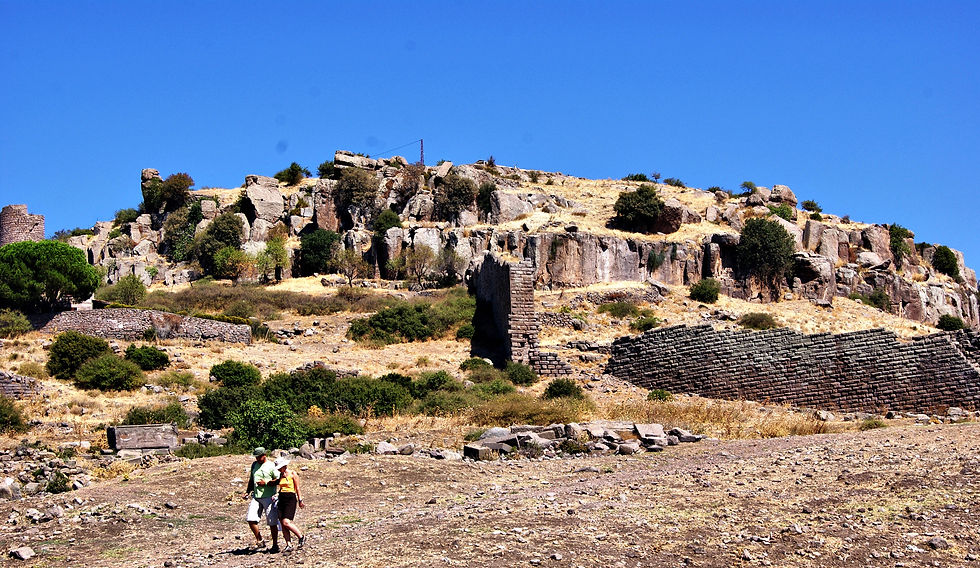
Assos, perched on a cliff overlooking the Aegean, feels steeped in history during August. The mornings are bright but gentle, with cool breezes drifting up from the sea. Ancient ruins of the Temple of Athena glow softly under the first rays of sunlight. Walking the cobbled streets of Behramkale village feels like stepping into another time.
By late morning, the sun becomes stronger, and many visitors head down to the pebble beaches below. The water is crystal clear and warm, perfect for swimming or snorkelling.
The surrounding olive groves release their fragrance into the summer air, adding to the sensory richness. Even in the heat, the ancient stone walls seem to hold onto their timeless coolness.
Evenings are magical in Assos. The sun sets across the Aegean, turning the horizon into a canvas of orange and pink. Villagers set up small outdoor tables, serving local cheese, olives, and freshly caught seafood. Wine flows freely, often produced from nearby vineyards that thrive in the August sun.
Assos in August is a hidden gem where history, landscape, and local life blend seamlessly. Its atmosphere feels calm yet full of stories, offering travellers a chance to connect with Turkey’s ancient past while enjoying the pleasures of summer.
FAQs/Things to know before visiting Assos (Behramkale)
1) What is the weather like in Assos in August?
Assos has hot, sunny days in August, with temperatures ranging from 29°C to 34°C. The coastal breezes help to moderate the heat. Afternoons can feel intense, making mornings and evenings ideal for sightseeing. Nights remain warm, perfect for outdoor dining.
2) Can you swim in Assos in August?
Yes, the sea in Assos is excellent for swimming in August. The water is clear and comfortable, averaging around 25°C. Beaches are mostly pebbly but provide calm, clean conditions. Snorkelling is also popular due to the clarity of the water.
3) What foods are seasonal in Assos in August?
Local olives and olive oil are key flavours of the region. Fresh figs and grapes are abundant in August. Seafood such as sardines and sea bream is widely served. Many restaurants also offer dishes with herbs from the surrounding hills.
4) Is Assos crowded in August?
Assos remains quieter than nearby Ayvalık or Çanakkale, even in peak summer. The village attracts history lovers and those seeking tranquillity. Beaches may see visitors during the day, but the area never feels overly crowded. The atmosphere stays calm and relaxed.
9) Ayder Plateau
Ayder Plateau in the Kaçkar Mountains offers a refreshing contrast to Turkey’s hot coastal resorts in August. The mornings are cool, often filled with mist that drifts lazily across the pine forests. Wooden chalets line the hillsides, and the sound of rushing streams adds to the sense of calm.
Locals prepare hearty breakfasts with honey, cheeses, and cornbread that reflect the region’s traditions.
By midday, the plateau warms to a comfortable level, rarely exceeding 25°C. Visitors hike through flower-filled meadows, their paths lined with grazing animals and fresh mountain air.
The Fırtına Valley nearby offers rafting adventures, its waters fed by snowmelt from higher peaks. Festivals in August often feature folk music and traditional dances, adding cultural depth to the natural beauty.
Evenings here are crisp and cool, a welcome relief from the heat elsewhere in Turkey. Tea gardens become gathering places where travellers sip black tea while watching the sun set behind the mountains. Trout from mountain streams appears on dinner tables, grilled simply to let its freshness shine.
Ayder Plateau in August is a hidden gem that feels worlds away from crowded beaches. Its blend of cool weather, rich traditions, and stunning landscapes creates an unforgettable summer escape. It is a place where nature and culture weave seamlessly together.
FAQs/Things to know before visiting Ayder Plateau
1) What is the weather like in Ayder Plateau in August?
The plateau has cool summer weather, with daytime temperatures around 20°C to 25°C. Mornings and evenings can be chilly, so layers are recommended. The air is fresh and clean, ideal for outdoor activities. Rain is possible but usually light and refreshing.
2) What activities are popular in Ayder Plateau in August?
Hiking through the Kaçkar Mountains is a top activity. Rafting in the Fırtına Valley provides adventure. Visitors also enjoy traditional festivals with folk music and dancing. Relaxing in thermal springs is another unique experience.
3) What foods are seasonal in Ayder Plateau in August?
Local honey is famous and at its best in summer. Trout from mountain streams is widely served. Cornbread and cheese are traditional staples. Seasonal fruits like berries and apples also appear in markets.
4) Is Ayder Plateau busy in August?
Ayder attracts domestic tourists in summer, but it remains much less crowded than coastal destinations. Weekends can be livelier, while weekdays are calmer. The wide-open spaces prevent it from feeling crowded. Its cool climate makes it especially appealing in August.

10) Halfeti
Halfeti, known as the “hidden town by the Euphrates,” has a unique atmosphere in August. The mornings begin quietly, with the river reflecting the rising sun in shimmering silver. Villagers prepare breakfast with fresh bread, olives, and cheese while boats line up along the waterfront.
The submerged ruins of the old town create a hauntingly beautiful backdrop.
As the day warms, boat tours become the highlight of Halfeti. Travellers glide across the Euphrates, passing half-submerged minarets and stone houses swallowed by the water. The heat of southeastern Turkey can be intense in August, often above 35°C, but the breeze on the river provides relief. The experience feels both mysterious and calming.
Evenings bring cooler air, and the river takes on golden hues. Restaurants serve fresh fish from the Euphrates along with dishes flavoured by pomegranates and herbs. Black roses, unique to Halfeti, bloom nearby and are celebrated in local crafts and souvenirs.
Halfeti in August is a place where time feels suspended. Its landscapes and stories create a summer experience unlike anywhere else in Turkey. For those seeking a true hidden gem, Halfeti offers beauty, mystery, and authenticity.
FAQs/Things to know before visiting Halfeti
1) What is the weather like in Halfeti in August?
Halfeti has hot weather in August, with temperatures often above 35°C. The Euphrates River provides a cooling effect, especially during boat trips. Mornings and evenings are more comfortable than midday. Staying near the water makes the heat easier to manage.
2) What activities are popular in Halfeti in August?
Boat tours on the Euphrates are the most popular activity. They allow visitors to see submerged villages and minarets. Exploring the old town offers insight into the region’s history. Dining by the river is a relaxing way to enjoy the evening.
3) What foods are seasonal in Halfeti in August?
Pomegranates are widely used in local cuisine, particularly in sauces and salads. Fish from the Euphrates is another speciality. Seasonal herbs and vegetables appear in meze dishes. Local desserts often feature figs and honey.
4) Is Halfeti crowded in August?
Halfeti is less visited than many other destinations in Turkey. While weekends may bring local travellers, it remains peaceful overall. Boat tours are popular but rarely overcrowded. The town maintains its quiet and authentic atmosphere even in peak summer.

Turkey in August offers far more than its well-known resorts and landmarks. Hidden gems like Bozburun, Gökçeada, Şirince, and Halfeti show the country’s diversity, with each destination offering its own unique summer rhythm. From cool mountain plateaus to quiet islands and riverside towns, these places reveal a side of Turkey where authenticity still thrives.
The month of August adds a special charm, with long golden days, warm nights, and markets overflowing with figs, grapes, and seasonal herbs.
Travelling to these lesser-known destinations means experiencing Turkey without the heavy crowds. You can swim in hidden coves, taste fruit straight from the orchard, or share a meal with locals who welcome you like family. Festivals, traditions, and regional foods bring extra flavour to the season.
By choosing to visit these places in August, you not only enjoy the best of summer but also discover the deeper spirit of Turkey. Each destination adds a new layer of experience, leaving you with memories shaped by nature, history, and heartfelt hospitality.
When exploring these hidden gems, always consider hiring a guide or joining a tour group, as some locations may require local expertise for the best experience.
Did you know we have a Hidden Gem Finder on our website? This handy little map shows over 13,000 hidden gems across the entire world with their exact co-ordinates available to view on Google Maps as well as an image/description for each one!


Comments