
10 BEST hidden gems to visit in France in August
- Our Hidden Earth

- Aug 11, 2025
- 16 min read
France in August often brings to mind bustling beaches on the Côte d’Azur and crowded boulevards in Paris.
Yet beyond the country’s most famous attractions lies a collection of hidden gems where you can enjoy the same golden sunshine and vibrant culture without the throngs of tourists.
These are places where you can wander through medieval lanes without bumping shoulders, find a spot on a quiet beach, or taste wine straight from the source in a vineyard few have ever heard of. August is one of the best times to visit them, with warm weather, lively but local festivals, and seasonal produce at its finest.
Each destination offers a slice of authentic French life, whether that’s a sleepy fishing village, a tucked-away island, or a historic hilltop town.
If you’re seeking somewhere beautiful, interesting, and off the main tourist trail, here are the 10 best hidden gems to visit in France in August, each with its own story, charm, and reasons to visit in the height of summer.

1) Collioure, Occitanie
Collioure is a small fishing town on the Vermilion Coast, just a few kilometres from the Spanish border, and it’s a true visual delight in August. The sun casts a golden glow on pastel-coloured houses, and the Mediterranean sparkles against the backdrop of the Pyrenees.
Artists have been coming here for decades, drawn by the quality of the light, Matisse and Picasso both painted in Collioure. The waterfront is alive with fishing boats and café terraces, where locals linger over chilled glasses of rosé.
Narrow lanes wind through the old town, revealing art galleries, small shops, and Catalan-style restaurants serving grilled anchovies. The sandy beaches are ideal for a morning swim before exploring the medieval Château Royal, which stands guard at the water’s edge.
In August, Collioure hosts vibrant markets selling olives, honey, and handmade crafts, and there’s often live music in the evenings. The coastal path offers a scenic walk to nearby villages, with views over vineyards that cling to the hillsides.
The blend of French and Catalan influences is visible everywhere, from the cuisine to the language you hear in the streets. Even though August is peak season, Collioure remains calmer than the Riviera’s big-name resorts. It’s a place to slow down, soak in the colours, and enjoy the simple pleasures of Mediterranean life.
FAQs/Things to know before visiting Collioure, Occitanie
1) Is Collioure crowded in August?
While Collioure does attract more visitors in August, it remains quieter than well-known Riviera destinations like Nice or Saint-Tropez. The busiest times are mid-morning and early afternoon, especially on weekends, but if you head out early you can enjoy peaceful beaches and quiet streets.
2) How can I get to Collioure?
The easiest way is by train from Perpignan, which takes about 30 minutes and drops you right in the centre of town. You can also drive along the scenic coastal route from Spain or other parts of southern France, which offers stunning sea views along the way. Public transport is reliable in summer but limited late at night, so plan your return journey accordingly.
3) What’s the best way to explore Collioure?
Walking is ideal, as the old town is compact and pedestrian-friendly. The coastal paths offer rewarding hikes with beautiful views, and you can also rent a bike to explore nearby beaches and vineyards. If you enjoy photography, aim for early mornings or late afternoons when the light is most striking.
4) What food should I try in Collioure?
Anchovies are the town’s speciality, served fresh, grilled, or preserved in olive oil. Pair them with a glass of local Banyuls wine for a truly regional experience. Don’t miss the Catalan-style seafood dishes, often flavoured with garlic, peppers, and herbs, which are perfect for a summer evening by the harbour.

2) Conques, Occitanie
Conques is a perfectly preserved medieval village tucked away in the Aveyron hills, and August is an especially beautiful time to visit. The warm weather highlights the honey-coloured stone of its half-timbered houses, and the surrounding countryside is lush and green.
The Sainte-Foy Abbey Church is the heart of the village, with its intricate Romanesque carvings and rich history as a stop on the Camino de Santiago pilgrimage route. Walking the narrow cobbled streets feels like stepping back in time, with artisan workshops, small cafés, and flower-filled courtyards adding to the charm.
In August, the village hosts concerts inside the abbey, where the acoustics make choral and classical music sound heavenly.
The local cuisine is hearty and satisfying, with specialities like aligot (a creamy mashed potato and cheese dish) and slow-cooked lamb. Hiking trails lead out from the village into rolling farmland and along peaceful riverbanks.
Conques is small, but it rewards those who linger, sitting with a coffee in the morning as the village slowly wakes is one of its great pleasures. For a truly magical experience, stay overnight and see the abbey illuminated against the night sky.
FAQs/Things to know before visiting Conques, Occitanie
1) Is Conques busy in August?
It does receive more visitors during summer, but the atmosphere is still peaceful compared to larger tourist towns. Many of the visitors are pilgrims, so the pace of life remains unhurried. Early mornings and evenings are especially quiet, making them perfect times for strolling through the village.
2) How can I get to Conques?
The best way is by car from Rodez or other nearby towns, as public transport options are limited. This remoteness is part of Conques’ charm, keeping it from becoming overcrowded. The drive through the Aveyron countryside is scenic and relaxing, with plenty of opportunities to stop at viewpoints.
3) What makes Conques special?
Its combination of religious heritage, medieval architecture, and natural beauty makes it unique. The abbey’s golden tympanum is a masterpiece of Romanesque sculpture, and the surrounding hills and valleys offer serene landscapes that feel untouched by time.
4) Can I stay overnight in Conques?
Yes, there are charming guesthouses and small hotels in the village, as well as pilgrim accommodation. Staying overnight allows you to enjoy the calm after day-trippers leave and to experience the magical evening lighting of the abbey.

3) Île de Batz, Brittany
Île de Batz is a small, tranquil island just off the coast of Roscoff in Brittany, and in August it becomes a picture-perfect summer escape. The short ferry ride from the mainland takes only 15 minutes, yet it feels like you’ve travelled to another world.
The island’s coastline is a mix of sandy beaches and rocky coves, with clear waters that glisten under the bright summer sun. One of its highlights is the Jardin Georges Delaselle, a lush botanical garden that bursts into full bloom in August with exotic plants from around the globe.
With no cars to disrupt the peace, the best way to explore is by walking or cycling along the flat, scenic lanes. The island is dotted with traditional Breton houses, tiny cafés, and family-run restaurants serving the catch of the day.
August brings the warmest sea temperatures of the year here, perfect for swimming or paddleboarding. Many visitors pack a picnic and head to one of the quieter beaches, where the only sounds are the waves and seabirds overhead.
Despite its beauty, Île de Batz never feels crowded, even in the height of summer. When evening comes, and the last ferry departs for the mainland, the island becomes wonderfully peaceful, making an overnight stay extra special.
FAQs/Things to know before visiting Île de Batz, Brittany
1) How do I get to Île de Batz?
You can take a ferry from Roscoff, which runs regularly throughout the day in August. The crossing is short and offers great views of the harbour and coastline. For those driving, Roscoff has parking options near the ferry terminal, making it easy to leave your car behind for the trip.
2) Is Île de Batz good for a day trip or should I stay overnight?
A day trip is enough to see the main sights, but staying overnight is an entirely different experience. Once the day-trippers leave, you’ll have the island’s quiet beaches and charming village almost to yourself. Accommodation is limited, so it’s worth booking ahead if you want to stay.
3) What’s the weather like in August on Île de Batz?
August is one of the warmest months here, with average highs around 20°C and long, sunny days. The sea is at its warmest too, making it ideal for swimming. Cool sea breezes help keep the temperature comfortable, even at midday.
4) What activities can I do on Île de Batz in August?
Popular activities include cycling around the island, visiting the botanical garden, swimming at the sandy beaches, and exploring the tidal pools. If you enjoy photography, the combination of colourful fishing boats, clear skies, and wild coastal landscapes is hard to beat.

4) Vézelay, Burgundy
Vézelay is a hilltop village in Burgundy known for its stunning Basilica of Sainte-Marie-Madeleine and sweeping views over the surrounding countryside. In August, the vineyards and sunflower fields around the village are in full bloom, adding vibrant colour to the landscape.
The steep main street is lined with wine cellars, artisan shops, and cosy cafés, each inviting you to linger. The basilica, a UNESCO World Heritage Site, is a masterpiece of Romanesque architecture and a starting point for one of the routes to Santiago de Compostela.
Life in Vézelay moves at a gentle pace, especially in summer. You might start your day with a walk up the main street to the basilica, then spend the afternoon sipping Burgundy wines at a local tasting room.
The Morvan Regional Natural Park nearby offers opportunities for hiking, cycling, and swimming in clear lakes. August evenings often bring open-air concerts and art exhibitions to the village, giving it a vibrant yet relaxed atmosphere.
FAQs/Things to know before visiting Vézelay, Burgundy
1) Is Vézelay busy in August?
While it does receive visitors during summer, it’s far less crowded than bigger Burgundy towns. The busiest times are midday when day-trippers arrive, but mornings and evenings are much quieter. Staying overnight allows you to enjoy the village when it’s most peaceful.
2) How do I reach Vézelay?
The closest train station is in Sermizelles, with buses or taxis available to complete the journey. Driving is the most convenient option, as it lets you explore nearby wine villages and scenic countryside at your own pace. The drive itself is beautiful, especially in summer.
3) What makes Vézelay special?
Its basilica is one of the most significant Romanesque churches in Europe and a major pilgrimage site. The village also boasts a rich wine-making tradition, with local vineyards producing light, aromatic wines. The combination of spiritual heritage and rural charm makes it unique.
4) Can I explore the surrounding area easily from Vézelay?
Yes, the Morvan Regional Natural Park is close by, offering nature trails, lakes, and small villages to explore. The wine routes of northern Burgundy are also within easy reach, making Vézelay a great base for day trips.

5) Cassis, Provence-Alpes-Côte d’Azur
Cassis is a charming fishing town on the Mediterranean, east of Marseille, that offers a quieter alternative to the glitz of the Côte d’Azur. In August, its harbour is a lively scene of colourful boats, café terraces, and locals enjoying long lunches in the sun.
The town is famous for its proximity to the Calanques, dramatic limestone cliffs and turquoise inlets perfect for swimming, kayaking, and hiking. The beaches are small but beautiful, with warm water ideal for summer dips.
The surrounding hills are covered in vineyards producing crisp white wines, many of which can be tasted at local cellars. Fresh seafood is a highlight of Cassis’ dining scene, from grilled fish to bouillabaisse.
August evenings are best spent strolling along the harbour, enjoying the sight of the cliffs glowing in the last light of day. While Cassis is more popular in summer, it retains a relaxed, authentic feel. Its compact size makes it easy to explore, whether you’re here for a weekend or a longer stay.
FAQs/Things to know before visiting Cassis, Provence-Alpes-Côte d’Azur
1) Is Cassis expensive in August?
Prices do rise during summer, especially for accommodation close to the harbour. However, it’s still more affordable than famous Riviera towns like Cannes or Saint-Tropez. Choosing to stay slightly inland or booking early can help you save money without missing the charm.
2) Can I visit the Calanques from Cassis?
Yes, you can explore the Calanques by boat, kayak, or on foot via hiking trails starting in town. August weather is perfect for outdoor activities, but it’s best to start early in the day to avoid midday heat. Boat tours are very popular, so booking ahead is recommended.
3) Is Cassis family-friendly?
Absolutely, the town’s safe, walkable streets, calm beaches, and boat trips make it a great choice for families. Many restaurants welcome children, and there are plenty of gentle activities like coastal walks and beach picnics.
4) What local wines should I try in Cassis?
Cassis is known for its crisp, aromatic white wines made from Marsanne and Clairette grapes. Many vineyards are open to visitors, offering tastings and tours. Pairing these wines with local seafood is one of the town’s great pleasures.
6) Dinan, Brittany
Dinan is one of Brittany’s most beautiful medieval towns, perched above the River Rance with a history that dates back over a thousand years. In August, the town is bathed in warm sunshine, and its half-timbered houses are adorned with overflowing flower boxes.
The cobbled streets wind past artisan shops, traditional crêperies, and open-air cafés, all buzzing with a relaxed summer energy. The main attraction is the Rue du Jerzual, a steep, picture-perfect street lined with workshops where local craftspeople create pottery, paintings, and jewellery.
The town’s port area is equally charming, with riverside walks, boat rentals, and restaurants serving fresh seafood. From here, you can take scenic boat trips along the Rance or cycle along its leafy towpaths. August also brings small festivals and open-air concerts, filling the streets with music.
Despite its popularity with French visitors, Dinan feels far less touristy than other Breton towns. It’s an ideal base for exploring the surrounding countryside and coast, yet it’s worth visiting for its own timeless beauty alone.
FAQs/Things to know before visiting Dinan, Brittany
1) Is Dinan a good place to visit in August?
Absolutely, the weather is at its best, with long, sunny days perfect for exploring on foot. The town is lively but not overwhelming, and August events add to its charm. Visiting early in the morning lets you enjoy the quieter side of Dinan before the day warms up.
2) How do I get to Dinan?
Dinan is accessible by train from Rennes, with a journey time of about 45 minutes. Driving gives you more flexibility to explore the surrounding villages and coastline. Parking is available outside the historic centre, as the old town is mostly pedestrian.
3) What’s the port area like in Dinan?
The port is a peaceful spot with beautiful riverside views, ideal for walks or boat trips. Several restaurants line the waterfront, serving fresh seafood and Breton cider. It’s a lovely place to spend a summer evening watching the boats come and go.
4) Can I do day trips from Dinan?
Yes, Dinan is well-placed for visiting places like Saint-Malo, Mont-Saint-Michel, and the Emerald Coast. August is an ideal time to explore the region’s beaches, coastal walks, and historic sites. A car makes day trips much easier, but some destinations are reachable by public transport.

7) Eguisheim, Alsace
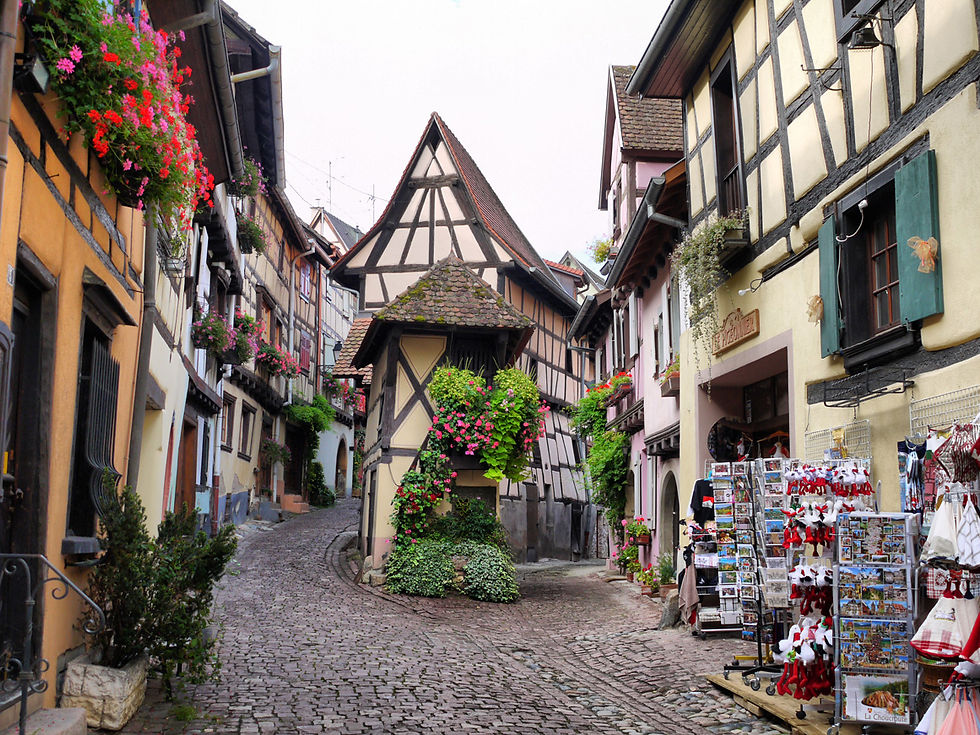
Eguisheim is a storybook village in the Alsace region, famous for its concentric cobblestone streets and colourful half-timbered houses. In August, the town bursts with flowers, and the warm weather makes it perfect for wandering at a leisurely pace.
The surrounding hills are covered in vineyards producing crisp Rieslings and aromatic Gewürztraminers, many of which can be tasted in local wine cellars. The central square is home to a charming fountain and the Chapelle Saint-Léon IX, adding to the fairy-tale atmosphere.
Walking through Eguisheim is like stepping into a postcard. The village’s circular layout means you can explore without worrying about getting lost, discovering hidden courtyards and quaint shops along the way.
August also coincides with local wine festivals, where you can enjoy tastings, music, and Alsatian specialities like flammekueche. Evenings are especially magical when the streets quiet down and the soft light enhances the colours of the buildings. Eguisheim is small, but its beauty leaves a lasting impression.
FAQs/Things to know before visiting Eguisheim, Alsace
1) Is Eguisheim crowded in August?
It can be busier during the day, especially on weekends, but mornings and evenings are much quieter. Staying overnight allows you to enjoy the village’s charm without the day-trippers. The atmosphere is relaxed and welcoming year-round.
2) How do I get to Eguisheim?
The village is just a short drive or bus ride from Colmar, the nearest city with train connections. Driving is the easiest option, especially if you plan to explore the Alsace Wine Route. Parking is available on the edge of the village.
3) What is Eguisheim known for?
Eguisheim is celebrated for its wine, medieval architecture, and flower-filled streets. It’s also officially listed as one of “Les Plus Beaux Villages de France” (The Most Beautiful Villages of France). The combination of beauty, culture, and wine makes it a standout.
4) Are there wine tastings in Eguisheim in August?
Yes, August is an excellent time for wine tastings, as many wineries are open and hosting events. You can sample local white wines and learn about the region’s unique terroir. Pairing tastings with Alsatian dishes is highly recommended.
8) Sarlat-la-Canéda, Dordogne
Sarlat-la-Canéda is the jewel of the Dordogne, a medieval town with winding streets and golden-stone buildings that glow in the summer sun. In August, the town is alive with open-air markets selling fresh truffles, foie gras, and local cheeses.
The historic centre is wonderfully preserved, offering a sense of stepping back into another century. Street performers add to the atmosphere, entertaining visitors in the main squares.
The Dordogne region is rich in history, with prehistoric caves, châteaux, and scenic river valleys nearby. In August, the weather is perfect for canoeing along the Dordogne River or taking a hot-air balloon ride over the countryside.
Sarlat’s evenings are lively yet relaxed, with restaurants offering candlelit dinners on terraces. The combination of history, food, and natural beauty makes it a destination you’ll want to savour slowly.
FAQs/Things to know before visiting Sarlat-la-Canéda, Dordogne
1) Is Sarlat busy in August?
Yes, it’s one of the more popular times to visit, but the town’s charm makes it worth it. Arriving early for the markets helps avoid the busiest crowds. Evenings are less crowded and perfect for exploring.
2) How do I get to Sarlat?
The nearest train station is in Souillac, with bus connections to Sarlat. Driving offers more freedom to explore the Dordogne’s villages and countryside. Parking is available near the old town.
3) What’s the food scene like in Sarlat?
Sarlat is a food lover’s paradise, with a focus on regional specialities like duck confit, truffles, and walnut cake. Many restaurants feature outdoor seating, perfect for enjoying the summer evenings.
4) What can I do near Sarlat in August?
Popular activities include visiting prehistoric cave paintings, exploring medieval castles, and canoeing along the Dordogne River. The region is also ideal for cycling and hiking in warm summer weather.

9) Collonges-la-Rouge, Corrèze
Collonges-la-Rouge is instantly recognisable for its striking red sandstone buildings, earning it a place among France’s most beautiful villages. In August, the red walls contrast beautifully with the bright green of the surrounding countryside and the blue summer sky.
The village’s narrow lanes are lined with art galleries, small museums, and artisan shops. Many of the buildings date back to the Middle Ages, giving the village a unique and historic atmosphere.
August brings local markets and cultural events, adding a festive feel to the already charming streets. The village is small enough to explore in a couple of hours, but it’s worth lingering to enjoy a leisurely lunch at one of its traditional restaurants.
The surrounding Corrèze region offers scenic drives and hiking opportunities, with rolling hills and quiet forests. Collonges-la-Rouge is the kind of place where every corner feels like a photo opportunity.
FAQs/Things to know before visiting Collonges-la-Rouge, Corrèze
1) Why is Collonges-la-Rouge red?
The village’s buildings are constructed from local iron-rich sandstone, which gives them their distinctive red hue. This creates a striking visual effect, especially in the bright August sunshine. The colour is one of the main reasons the village is so famous.
2) Is Collonges-la-Rouge busy in summer?
It can be lively in August, but the crowds are manageable. Visiting in the morning or late afternoon offers a more peaceful experience. The compact size of the village makes it easy to navigate even on busier days.
3) What else is there to do nearby?
The surrounding region is perfect for hiking, cycling, and exploring other “Les Plus Beaux Villages de France.” Scenic drives reveal rolling hills, forests, and rivers, ideal for a summer day out.
4) Can I stay overnight in Collonges-la-Rouge?
Yes, there are small guesthouses and B&Bs in the village and nearby. Staying overnight allows you to enjoy the streets in the quiet of early morning and evening.

10) Le Puy-en-Velay, Auvergne
Le Puy-en-Velay is a historic town in central France, famous for its volcanic landscape and religious heritage. In August, the warm weather makes it ideal for exploring the steep streets and impressive monuments.
The town is dominated by the statue of the Virgin Mary and the striking Saint-Michel d’Aiguilhe Chapel, perched on a volcanic rock. The cathedral is a UNESCO World Heritage Site and the starting point for one of the main routes to Santiago de Compostela.
August is a vibrant month in Le Puy-en-Velay, with the town hosting medieval festivals and cultural events. The surrounding Auvergne region offers excellent hiking opportunities, with trails leading through volcanic hills and peaceful countryside.
Local cuisine is hearty and delicious, with lentils from the region being a speciality. The combination of history, culture, and natural beauty makes Le Puy-en-Velay a rewarding hidden gem.
FAQs/Things to know before visiting Le Puy-en-Velay, Auvergne
1) Is Le Puy-en-Velay worth visiting in August?
Yes, August is one of the best times to visit thanks to warm weather and lively events. The medieval festival in particular brings the streets to life with costumes, music, and markets. The clear skies also make for excellent panoramic views from the town’s high points.
2) How do I get to Le Puy-en-Velay?
The town is accessible by train from major cities like Lyon and Clermont-Ferrand. Driving offers the chance to explore the scenic Auvergne countryside along the way. Parking is available near the town centre for visitors.
3) What is Le Puy-en-Velay known for?
It’s renowned for its volcanic setting, religious monuments, and as a starting point for the Camino de Santiago. The region’s green lentils are also a celebrated local product, often featured in traditional dishes.
4) What can I do nearby?
The Auvergne is rich in outdoor activities, from hiking in volcanic parks to exploring small villages and trying regional cuisine. In August, the weather is perfect for combining sightseeing with time in nature.

Exploring France in August doesn’t have to mean joining the crowds at the country’s most famous tourist spots. These hidden gems in France offer the perfect balance of beauty, culture, and tranquillity, letting you enjoy the warm summer weather without the hustle of the main tourist trail.
From the sun-soaked harbour of Collioure to the storybook streets of Eguisheim, each destination has its own unique charm, seasonal experiences, and authentic local life. You can wander through medieval villages, swim in turquoise waters, taste wines straight from the vineyard, and discover corners of France that many travellers never see.
By seeking out these lesser-known destinations, you’re not only treating yourself to a richer travel experience but also helping to support smaller communities that rely on tourism in a sustainable way. Whether you’re a history lover, foodie, nature enthusiast, or simply in search of a quiet escape, there’s a hidden gem here for you.
So this August, step away from the beaten path, embrace a slower pace, and let France surprise you with its most beautiful secrets. Your next unforgettable summer memory could be waiting in one of these very special places.
When exploring these hidden gems, always consider hiring a guide or joining a tour group, as some locations may require local expertise for the best experience.
Did you know we have a Hidden Gem Finder on our website? This handy little map shows over 13,000 hidden gems across the entire world with their exact co-ordinates available to view on Google Maps as well as an image/description for each one!


Comments