
Best Places to Visit in the United Kingdom in March

Written by Our Hidden Earth Editorial Team
Last updated 23 October 2026
Summary: The United Kingdom in March is ideal for city explorations, early botanical interest, and coastal walks before the surge of peak season. Choose Edinburgh for its historic atmosphere, the Cotswolds for rural landscape transitions, or the Pembrokeshire coast for windswept cliff paths, noting that higher elevations may still retain significant winter frost.
Our Hidden Earth maps 300,000+ verified hidden gems across 230 countries. Open the map to find the quiet places near the ones below.
United Kingdom in March: at a glance
Edinburgh, Scotland: Offers a focus on stone-built architecture and vertical cityscapes that reveal their detail in the clear, low-angled light of late winter.
The Cotswolds, England: Provides a quiet period for walking between golden-stone villages before the seasonal growth obscures rural views.
Pembrokeshire, Wales: Allows for expansive coastal trekking along the national trail, benefiting from the relative absence of high-summer crowds.
Bath, England: Centres on heritage sites and sheltered museum visits, making it a reliable option regardless of the shifting daily conditions.
Is March a good time to visit the United Kingdom?
March represents a transitional period that suits travellers who prioritise sightseeing and walking over outdoor lounging. While the country is rarely warm, the primary advantage is the lack of intensive tourism that defines the summer months.
Historical sites, urban centres and museums remain fully operational, offering the chance to see significant landmarks without the constraints of peak visitor numbers. Those who prefer socialising in quieter pubs or exploring interior spaces find this period advantageous, provided they are prepared for a climate that can change rapidly within a single day.
Weather in the United Kingdom in March
Regional variations define the experience in March. The south of England typically experiences the first signs of shifting seasons, with milder air moving in from the continent, though damp conditions are frequent.
Moving northwards into Scotland and the Pennines, the air remains crisp, and it is common to encounter lingering frost or snow on higher ground. Coastal areas, particularly in the west, are subject to brisk winds that influence how much time one can comfortably spend outdoors.
Expect changeable conditions across the entire country, with a mix of overcast skies, bright intervals and intermittent showers.
Best places to visit in the United Kingdom in March
1. Edinburgh, Scotland
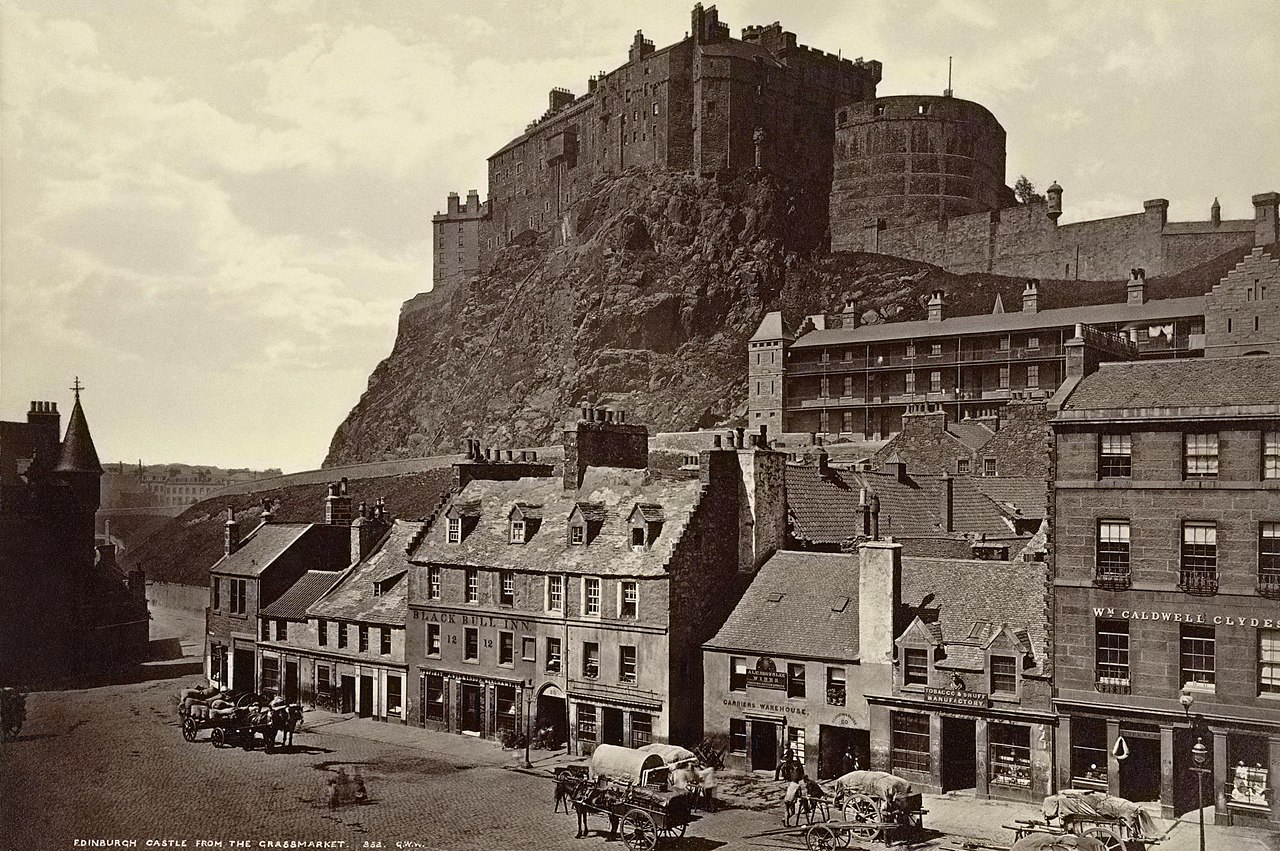
Edinburgh relies on its imposing topography to define its appeal. In March, the city’s volcanic crags and medieval tenements benefit from the sharp, clear light that often follows a winter shower.
Without the scale of the summer festivals, the Royal Mile and the surrounding Wynds feel manageable, allowing for a focused look at the architecture of the Old Town and the neoclassical proportions of the New Town. The walk up Calton Hill offers panoramic views of the Firth of Forth that remain stark and dramatic during this time, contrasting sharply with the sheltered interiors of the city’s numerous galleries and national collections.
2. The Cotswolds, England
This region of rolling limestone hills and honey-coloured villages is best experienced when the landscape is open. In March, the lack of dense foliage means one can appreciate the architecture of market towns like Stow-on-the-Wold and Chipping Campden without the screen of summer greenery.
Walking paths through the valley floors are often muddy, so a sturdy pair of boots is essential, but the trade-off is the ability to walk for miles and encounter only a handful of others. It is an opportunity to see the region in its raw, structural state, where the focus stays on the vernacular stone buildings and quiet water meadows.
3. Bath, England
Bath is an excellent choice for a trip that balances heritage with comfortable indoor exploration. The city's Georgian crescent architecture is visually striking against a grey, moody sky, and the local museums and Roman-era sites provide ample cover from the occasional March downpour.
Being in the south-west, the city generally avoids the harsher temperatures of the north. Use this time to examine the city’s urban design and the surrounding rolling hills of Somerset, knowing that the primary attractions are entirely independent of the outdoor climate.
4. Pembrokeshire, Wales
The Pembrokeshire Coast Path is a rugged proposition in March, where the focus shifts to the power of the Atlantic and the stark beauty of the cliff edges. While some coastal boat services might be limited or seasonal, the walking trails remain open and offer a sense of isolation that is harder to find later in the year.
The coastal town of Tenby, with its colourful houses and historic walls, provides a base that remains characterful even when the sea is too turbulent for beach activity. This is a location for those who appreciate a windswept, raw environment.
5. Cambridge, England
The university city of Cambridge offers a dense concentration of history and collegiate architecture that remains engaging regardless of the weather. The traditional college 'Backs', with their expansive lawns and views of historic chapels, retain a quiet, reflective quality in early spring.
Because much of the city's appeal lies within its libraries, museums, and grand chapel interiors, a rainy day does not impede a productive visit. The flat landscape of the surrounding Fens is exposed to the elements, but the city itself is a dense, walkable labyrinth that invites slow exploration.
6. The Lake District, England
While the higher mountain passes in the Lake District may still hold snow in March, the valley floors around Grasmere and Windermere become increasingly accessible. This is the time to visit for those who enjoy dramatic, brooding landscapes without the congestion of the summer hiking season.
Low-level walks along the lakeshores reveal the stark grandeur of the fells, often reflecting in calm, cold water. One should remain cautious of the weather, as conditions on the peaks can be treacherous, but for those sticking to the villages and lakesides, the atmosphere is tranquil and contemplative.
7. Oxford, England
Similar to its counterpart in the east, Oxford is an ideal destination for a month where indoor activities are beneficial. The city’s historic colleges, the Bodleian Library and the numerous museums create a dense environment of learning and architecture.
March allows for a thorough exploration of these spaces before the arrival of academic term breaks or intensive tourism. The city is highly compact, making it easy to navigate between sites on foot, even if one needs to retreat into a café or a historic library reading room to wait out a passing shower.
8. The Peak District, England
The Peak District is defined by the contrast between its northern 'dark peak' gritstone plateaus and its southern 'white peak' limestone dales. In March, the limestone dales, such as Dovedale, are beginning to show signs of life, offering sheltered walks that are well-suited to the season.
The higher northern peaks remain cold and exposed, best left to those with full mountain gear. Focusing on the southern villages like Bakewell allows for a trip that blends short, manageable country walks with the comfort of traditional village life and regional tea rooms.
9. York, England
York is a city built on layers of history, from Roman foundations to medieval timber-framed buildings and Victorian architecture. The narrow, winding alleys known as the 'Shambles' are particularly atmospheric in the lower light of March.
As the city is effectively contained within its historic walls, it is an easy place to explore on foot. Its wealth of museums and the scale of its cathedral make it a reliable choice for a multi-day trip where the focus is on cultural heritage rather than sunshine or coastal recreation.
10. Norfolk, England
The north Norfolk coast, with its wide skies and salt marshes, offers a different experience of the UK in March. The region is known for its migratory bird populations and its expansive, empty beaches.
While it is rarely a place for swimming, the bracing sea air and the long, flat walking paths provide a sense of scale and openness. The inland market towns, such as Holt, provide a base for exploring the grand country estates and flint-walled churches that dot the landscape, which remain fully accessible and quiet during this period.
Planning and packing for March
The key to a successful UK trip in March is layering. The weather is notoriously fickle, meaning you may experience wind, rain and bright sunshine within a few hours. Pack a reliable, waterproof coat with a hood, as umbrellas are often ineffective against the coastal or urban wind tunnels.
Comfortable, waterproof walking shoes are essential, particularly if your plans include rural footpaths, which are often soft and muddy at this time of year. Choose a central hub—such as a historic city or a well-connected village—to minimise long-distance travel on days when the weather is at its most unpredictable.
Frequently asked questions
Is it warm enough to visit the seaside in March?
Coastal visits in March are about the atmosphere, the scenery and the bracing air, not swimming or sunbathing. While the seaside is beautiful, the water is cold and the wind can be sharp. Pack warm, windproof layers to ensure you can enjoy walking the beaches and cliff paths comfortably.
Will I encounter heavy crowds in March?
March is generally a quieter month for travel within the UK, falling between the winter lull and the spring break period. You will find major cities and popular rural spots significantly less crowded than in the summer months, allowing for a more relaxed pace of sightseeing.
Should I focus on cities or the countryside?
Cities like Edinburgh, Bath or York are excellent choices for March because they offer an abundance of museums, historic sites and sheltered indoor spaces that can be enjoyed regardless of the weather. If you prefer the countryside, choose lower-lying regions like the Cotswolds or Norfolk to avoid the lingering winter cold of the higher peaks.
Are the rural hiking trails accessible?
Most lowland hiking trails remain open, but they are frequently muddy in March due to the preceding winter rain. High-altitude mountain paths may still have patches of ice or snow, which require specific safety equipment and experience. Stick to well-marked, lower-altitude paths for the most enjoyable experience.
How do I travel between these destinations?
The rail network is the most effective way to move between major cities and regional hubs. For rural areas like the Cotswolds or Pembrokeshire, hiring a car provides the necessary flexibility to reach smaller villages and dispersed landmarks that are not well-served by public transport.
Are attractions and museums open?
Most major national museums, cathedrals and historic landmarks remain open throughout the year. While some smaller, seasonal attractions might have limited opening days in early spring, the vast majority of the UK's core cultural sights are fully accessible to visitors in March.
How does the weather differ between the north and south?
The south of England is generally milder and sees the first signs of the coming spring, though it remains prone to dampness. The north, particularly Scotland and the mountainous regions, often remains significantly colder, with a higher chance of encountering frost or grey, wintery conditions.
Is it worth visiting the Lake District at this time?
Yes, provided you are prepared for the conditions. It is an excellent time to visit for the dramatic landscape and the relative absence of crowds. Just ensure your plans focus on the lakes and valley villages rather than the high mountain peaks, which are best avoided unless you are an experienced winter walker.
Final thoughts
For a trip focused on history and indoor culture, choose Edinburgh or Bath; both cities are well-prepared for the variability of March, offering an abundance of high-quality architecture and heritage sites that feel more accessible without summer crowds. If you prefer a wilder, more windswept experience, head to the Norfolk coast or the Pembrokeshire cliffs, where the focus is on the scale of the environment rather than the mildness of the air.
Regardless of your choice, prioritise flexibility and sturdy, waterproof footwear to navigate the UK’s transition into spring.
Weather, opening times and transport details in this guide were correct as far as we could check. Always confirm directly before you travel.
Planning a March trip? The Our Hidden Earth map has 300,000+ verified hidden gems across 230 countries. Find the quiet places near wherever you are heading.
More guides to United Kingdom.