
San Sebastián in March: Weather, Things to Do and Travel Tips

Written by Our Hidden Earth Editorial Team
Last updated 23 October 2026
Summary: San Sebastián in March is a time of transition, offering a refreshing look at Basque coastal life before the arrival of busier spring and summer months. It is an ideal window for travellers who prioritise exploring the city's celebrated culinary culture and historic architecture over beach-focused activities.
Our Hidden Earth maps 300,000+ verified hidden gems across 230 countries. Open the map to find the quiet places near the ones below.
San Sebastián in March: at a glance
Experience the city's culinary roots by focusing on the traditional pintxo culture in the Old Town.
Expect variable, often damp weather, making it essential to balance outdoor walks with indoor museum visits.
Choose the Parte Vieja for total immersion or the Gros neighbourhood for a more contemporary coastal feel.
Use the city's reliable bus network for short trips, as the centre remains highly walkable.
Is March a good time to visit San Sebastián?
March is a pragmatic choice for those who value a quieter rhythm of travel. While the city remains lively, the focus shifts away from the seasonal beach crowds that dominate the summer.
Because this month brings unpredictable weather, including frequent Atlantic showers, the trip is best suited for visitors who appreciate the local atmosphere and gastronomy regardless of the conditions. It is a time when you can secure tables at popular venues with more ease, and local cultural life continues regardless of the sea conditions.
Weather in San Sebastián in March
The climate in San Sebastián during March is defined by the proximity of the Cantabrian Sea and the nearby mountains. You should anticipate a mix of bright, crisp days and periods of rain or overcast skies.
The temperatures are typically cool, and the coastal breeze can make the air feel sharper, especially in the evenings. While the sea is rarely warm enough for swimming, the dramatic Atlantic swells remain a constant feature of the coastline.
Packing layers is essential, as is a high-quality waterproof jacket, regardless of the forecast.
Things to do in San Sebastián in March
1. Explore the Parte Vieja
The Old Town serves as the historic heart of the city. In March, its narrow streets feel intimate and atmospheric. You can wander between the Plaza de la Constitución and the San Telmo Museum, which is housed in a former convent and provides deep insight into Basque history.
The area is dense with traditional establishments where you can move from bar to bar to sample pintxos, the small, elaborate snacks that define the local culinary identity. Visiting on a quieter weekday morning allows for a slower pace, enabling you to appreciate the intricate stonework and the proximity to the busy harbour.
2. Walk along La Concha Bay
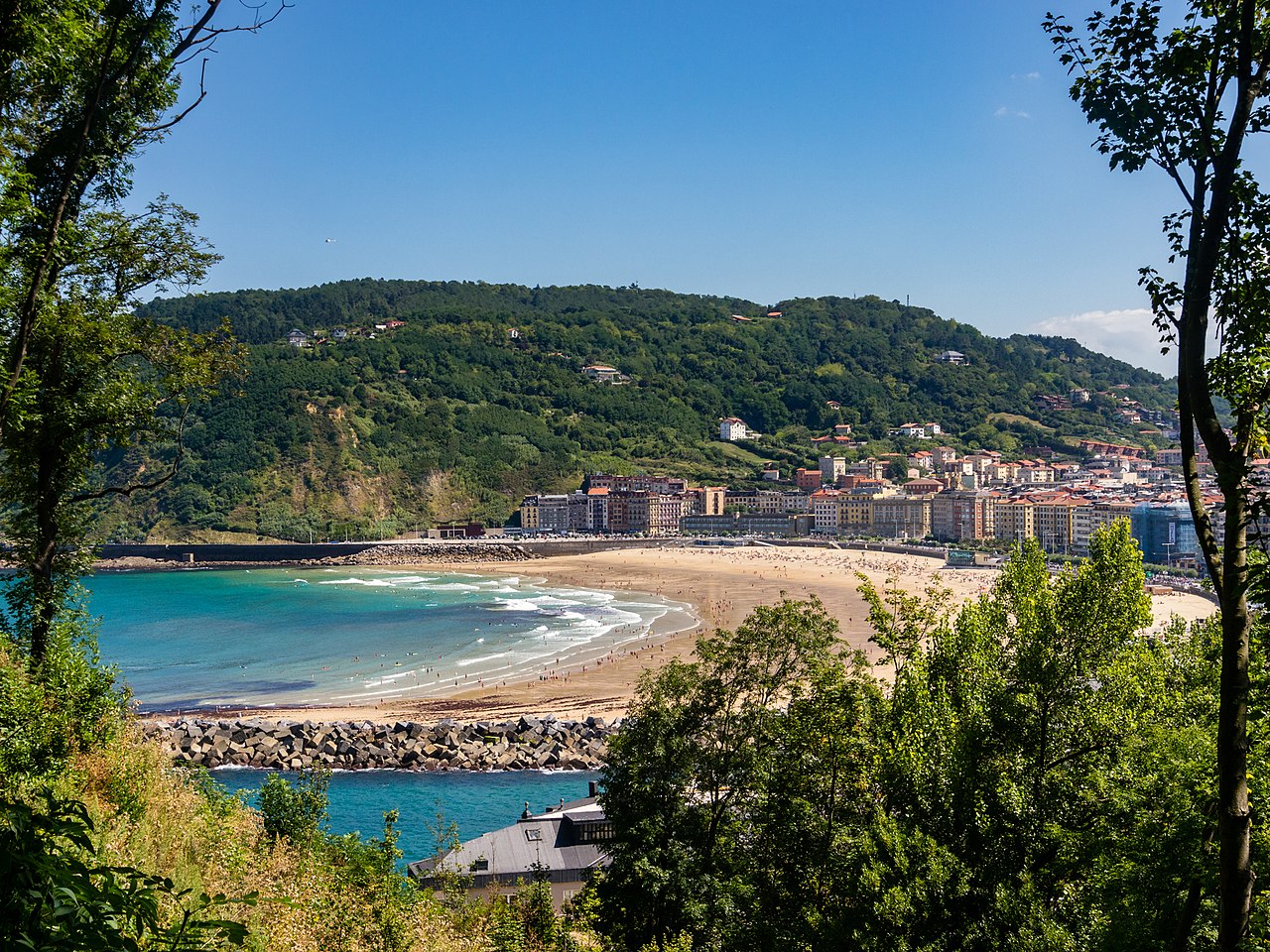
La Concha is arguably the most famous urban beach in the country. Even when the weather is too cool for swimming, the promenade—stretching from the city hall to the Peine del Viento—offers a bracing, scenic walk.
The iconic white railings and the view toward the island of Santa Clara remain just as compelling in the softer light of March. Walking the length of the bay allows you to transition between the urban core and the quieter, more residential areas, providing a sense of the city’s scale and its relationship with the surrounding hills.
3. Ride the funicular to Monte Igueldo
For the definitive panoramic view of the bay and the city, take the historic funicular up to the summit of Monte Igueldo. The journey itself is a nod to the city’s early twentieth-century heritage. At the top, you can see how the geography shapes the city, with the mountains pressing right up against the sea.
The viewing platforms are exposed to the elements, so it is a perfect spot for photography on one of the clearer March days. The funicular has set operating hours that fluctuate with the season, so verify the schedule upon arrival.
4. Discover the Peine del Viento
Located at the westernmost point of the bay, the Comb of the Wind is a series of monumental iron sculptures by Eduardo Chillida. In March, the Atlantic swells are often substantial, which makes the interaction between the waves and these sculptures particularly dramatic.
As the water crashes through the natural vents in the rocks, it creates a unique auditory and visual experience. It is a place that feels wild and rugged, contrasting sharply with the manicured look of the city centre promenade.
5. Visit the San Telmo Museum
When the March weather necessitates indoor activity, the San Telmo Museum is the primary cultural destination. Located at the foot of Mount Urgull, it combines an old cloister with a modern architectural wing. The museum focuses on the history, language, and artistic heritage of the Basque people.
It is an excellent way to understand the regional identity before heading back out into the city streets. The internal courtyard is a tranquil space, providing a quiet respite from the bustle of the nearby harbour area.
6. Walk the trails of Mount Urgull
Rising between the Old Town and the sea, Mount Urgull is covered in wooded paths that lead to an old fortress and a commanding statue of the Sacred Heart. Because it is sheltered by its own vegetation, it remains a pleasant place to walk even on slightly breezy days.
The network of trails offers various viewpoints looking back over the city, the port, and out toward the open sea. It is a small-scale excursion that feels like a mountain hike but sits just minutes away from the centre of the city.
7. Experience the Gros neighbourhood
Gros sits on the opposite side of the Kursaal Congress Centre from the Old Town and offers a distinctly more contemporary feel. It is known for its surf culture and a high concentration of modern cafes and bars. In March, the beach here, Zurriola, attracts surfers despite the chillier temperatures.
Exploring Gros gives you a look at the everyday life of the city’s residents, away from the traditional tourist trail. It is an excellent area for a coffee or a relaxed lunch in a less crowded, more neighbourhood-oriented setting.
8. Enjoy the local markets
The La Bretxa market is a focal point for the city’s culinary excellence. Even if you are not cooking your own meals, visiting the market in the morning to see the seasonal produce—often including high-quality regional cheeses, mushrooms, and fresh fish—is a core part of understanding why the city is a gastronomic destination.
The market stalls reflect the agricultural output of the surrounding Basque interior, and the interactions between vendors and locals offer a window into the daily rhythm of the city.
Where to base yourself and how to get around
For a short stay, the Parte Vieja is the most convenient base for first-time visitors who want to be within walking distance of the main cultural sites and the highest density of eateries. If you prefer a slightly more modern, less tourist-heavy environment, the Gros neighbourhood offers a great alternative while remaining within easy walking distance of the centre.
San Sebastián is highly walkable; most of the central attractions are connected by level promenades. For trips to further neighbourhoods or up to the hills, the city’s bus system is efficient and reliable.
A car is generally a hindrance within the city due to limited parking and the layout of the streets, so it is best to rely on public transit or walking.
How to shape a short stay
A typical three-day visit allows you to balance the city’s primary sights with its culinary demands. Spend your first day getting oriented in the Parte Vieja and walking up Mount Urgull. Reserve the second day for a walk along the entire length of the bay to the Peine del Viento and a trip to the top of Monte Igueldo.
On your third day, explore the Gros neighbourhood and visit the local markets. If you have extra time, a morning spent at the San Telmo Museum is essential. Pack for variable weather, focusing on comfortable walking shoes and a versatile, waterproof coat that can handle a sudden coastal shower.
Frequently asked questions
Is the sea warm enough for swimming in March?
No, the sea temperatures in the Bay of Biscay during March are quite cold. While you may see dedicated surfers in wetsuits at Zurriola beach, recreational swimming is not typical for this time of year. Most visitors focus on coastal walks and viewing the waves rather than getting into the water.
Do I need to make restaurant reservations in advance?
While March is not the height of the summer tourist season, the city’s most popular restaurants and well-known cider houses can still be busy. If you have a specific establishment in mind, booking a few days ahead is recommended to ensure you get a table at your preferred time.
Is it better to stay in the Old Town or in the modern city centre?
The Old Town offers more atmosphere and is central to the pintxo trail, but it can be noisy. The modern centre and the Gros neighbourhood offer a quieter stay and more space, while still being within walking distance of the Old Town. Your choice depends on whether you prefer total immersion or a quieter base.
Are the hiking trails around San Sebastián open in March?
Yes, the trails on Mount Urgull and the coastal paths are generally open. However, March weather can be wet, which may make paths muddy or slippery. Always check for any local notices regarding trail maintenance or closures, and ensure you wear appropriate footwear for potentially uneven and wet terrain.
How accessible is the city for someone without a car?
San Sebastián is exceptionally accessible without a car. The city centre is compact and pedestrian-friendly, and the public bus network provides frequent service to areas further afield, such as the base of the funicular or the outer edges of the bay. You will find very little need for a vehicle here.
Does it rain often in March?
Rain is a frequent occurrence in the Basque Country, and March is no exception. While you may have dry, bright intervals, you should be prepared for passing showers. It is rarely enough to derail a trip, provided you have a good waterproof jacket and are comfortable ducking into a museum or cafe.
Are the local cider houses open in March?
Yes, March falls right within the traditional cider season. Many cider houses in the surrounding countryside, particularly around the nearby town of Astigarraga, are fully operational. This is a great time to take a short taxi or bus ride from the city to enjoy a traditional cider house meal.
How do I get to San Sebastián from other parts of Spain?
The city is well-connected by bus and train to major Spanish hubs. The train station is centrally located, and the bus station offers frequent departures to cities like Bilbao or Pamplona.
If flying, you can use the local airport or the larger airport in Bilbao, which has regular shuttle bus connections to San Sebastián.
Final thoughts
San Sebastián in March is best suited for those who appreciate a cultural city break over a sun-drenched holiday. Choose the Parte Vieja if you want to be at the centre of the pintxo scene, or select the Gros neighbourhood for a more relaxed, modern atmosphere, and be sure to spend your time embracing the city's unique Basque identity.
Weather, opening times and transport details in this guide were correct as far as we could check. Always confirm directly before you travel.
Planning a March trip? The Our Hidden Earth map has 300,000+ verified hidden gems across 230 countries. Find the quiet places near wherever you are heading.
Related Guides
More guides to Spain.