
Best Places to Visit on La Gomera in March

Written by Our Hidden Earth Editorial Team
Last updated 23 October 2026
Summary: La Gomera in March offers a transition toward spring, ideal for hiking through the mist-shrouded laurel forests of Garajonay or exploring the rugged coastal cliffs of Valle Gran Rey. It is a destination for travellers seeking quiet, volcanic landscapes and traditional village culture away from the high-density resort areas of the larger Canary Islands.
Our Hidden Earth maps 300,000+ verified hidden gems across 230 countries. Open the map to find the quiet places near the ones below.
La Gomera in March: at a glance
Explore the UNESCO-listed Garajonay National Park, where hiking paths remain accessible for walkers prepared for shifting mountain weather.
Head to the southwest coast for sunnier conditions in Valle Gran Rey, suitable for those looking for seaside relaxation.
Utilise the ferry connections from Tenerife to reach San Sebastián de la Gomera, the island’s primary port and gateway.
Carry layers and waterproofs, as the island’s elevation creates distinct microclimates between the damp, lush interior and the arid coast.
Is March a good time to visit La Gomera?
March is an excellent period for travellers who prefer temperate conditions over the heat of summer. It is a month of seasonal transition, often characterised by lush greenery following the winter months, making the island’s unique laurel forests particularly lively.
While the island does not suffer from the intense seasonal closures seen in mainland mountain ranges, travellers should be prepared for the reality of high-altitude weather. The central highlands can be cool and misty, while the coastal zones remain generally mild.
This dichotomy is the defining feature of a March trip, offering the chance to move from fog-drenched ancient woodland in the morning to sun-drenched black sand beaches by the afternoon.
Weather in La Gomera in March
La Gomera’s climate is dictated by its verticality. In March, visitors should expect significant variation between the coastal towns, where the air is often soft and warm, and the central plateau of the national park, which sits at higher elevations.
The north of the island generally receives more moisture from the trade winds, resulting in a verdant, damp landscape, while the south remains sheltered and drier. Rainfall is always a possibility in the higher reaches, where clouds frequently cling to the mountain peaks.
Travellers should treat the weather as a local condition rather than a regional constant; a sunny morning in a valley does not guarantee clear skies on a mountain pass just a few kilometres away.
Best places to visit in La Gomera in March
1. Garajonay National Park
This protected ancient laurel forest is the heart of the island. In March, the foliage is typically dense and hydrated, providing a lush backdrop for the extensive network of walking trails. Visitors often head to the El Cedro area, where ancient trees are draped in lichen and moss.
Because the park reaches high elevations, the air can be damp and chilly, so bringing a windproof jacket is essential. It is a place for quiet reflection rather than thrill-seeking, where the primary activity is traversing the marked paths that wind through the mist.
It remains the most important natural site on the island, offering a glimpse of the subtropical forests that once covered much of the region.
2. Valle Gran Rey
Located on the southwestern coast, this area is the most popular base for those seeking a more relaxed pace. The dramatic valley walls descend steeply toward a series of black sand beaches, such as Playa del Inglés and Playa de la Calera.
March brings a steady stream of visitors here, yet it lacks the frenetic energy of larger island resorts. It is well-suited for those who want to spend their days by the ocean and their evenings in small, informal dining spots.
The village feel remains intact, and the steep slopes surrounding the town provide a beautiful setting for those who enjoy short, steep walks to viewpoints overlooking the Atlantic.
3. San Sebastián de la Gomera
As the island's capital and primary ferry terminal, San Sebastián is often the first place visitors see. It is a town of historical significance, known for its small colonial-era plazas and buildings associated with maritime history. In March, the waterfront and the town centre are comfortable to explore on foot.
The town provides a convenient introduction to Gomeran life, with easy access to local markets and shops. While it lacks the dramatic valley scenery of other parts of the island, it is a functional and pleasant base for travellers relying on public transport or those planning to explore the eastern and northern sectors of the island.
4. Agulo
Often referred to as the "green balcony" of La Gomera, Agulo is a small, traditional village perched on a cliff overlooking the ocean with a clear view across to Tenerife’s Mount Teide. Its narrow, cobbled streets and well-preserved whitewashed houses provide a sense of historical continuity.
In March, the surrounding terraces are often blooming, making the walk through the village particularly pleasant. It serves as an excellent starting point for hikers wanting to access the northern trails of Garajonay.
Its height gives it a commanding position, though visitors should note that the climate here can be more changeable than in the southern coastal valleys.
5. Hermigua
Situated in a deep, lush valley on the northeast coast, Hermigua is defined by its extensive banana plantations and historical significance in the island's agricultural export trade. It is a quieter, more spread-out town that appeals to those looking to experience rural Gomeran life.
The valley is exceptionally green in March, benefitting from the moisture that flows down from the mountains. Visitors can explore the remnants of the old davit, a structure once used to load cargo ships directly from the cliffs.
It is a more contemplative destination, suitable for travellers who prefer hiking and local history over beach-focused activities.
6. Vallehermoso
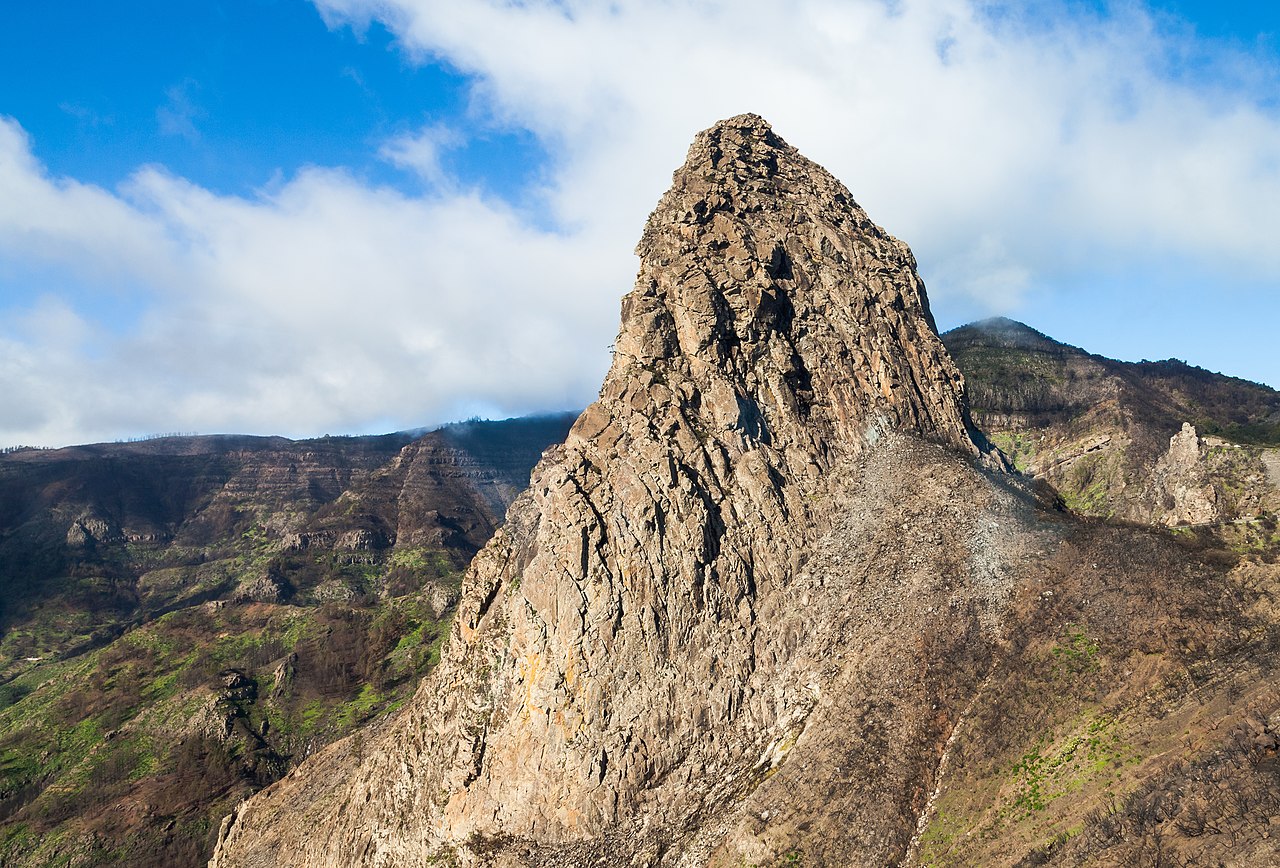
Set in a wide valley in the north, Vallehermoso lives up to its name—meaning "beautiful valley." It is surrounded by dramatic, craggy peaks, including the prominent Roque Cano. The town itself has a traditional atmosphere, with a main plaza that serves as the social hub.
March is a quiet time here, perfect for those who want to experience the island’s inland character without the concentration of visitors found in the south. The nearby botanical garden offers an insight into the island's diverse flora.
It is a base for those interested in the more rugged, traditional side of the island’s interior landscape.
7. Playa de Santiago
Situated on the southern coast, Playa de Santiago is a traditional fishing village that has maintained its character despite the presence of modern facilities. It is generally sunnier and less windy than the north, making it a reliable choice for those wanting to spend time near the water in March.
The beach is a mix of shingle and sand, and the promenade is lined with local cafes. It is a particularly practical base for those arriving by boat or looking for a more coastal, laid-back experience that is still within reach of the central mountainous regions via winding, scenic roads.
8. The Mirador de Abrante
This spectacular viewpoint, managed as a visitor centre, sits high above the village of Agulo. It features a glass-floored cantilevered walkway that projects out over the cliffs, offering a direct view of the village below and the expanse of the ocean.
In March, the perspective changes with the shifting clouds; on clear days, the view to the neighbouring island of Tenerife is striking. It is a brief but memorable stop that highlights the extreme topography of the island.
Access is by road, and it serves as a powerful reminder of how quickly the terrain shifts from sea level to dizzying heights.
9. Chipude
Perched high on a plateau in the central-south of the island, Chipude is a small village known for its traditional pottery and its proximity to the iconic La Fortaleza, a flat-topped mountain of volcanic rock. In March, the mountain paths around here are often cool and fresh, ideal for walkers who find the heat of the lower valleys uncomfortable.
It offers an authentic look at the rural life of the island, far removed from the coast. The local church and the surrounding terraced fields reflect a long history of agriculture, providing a tranquil base for those who wish to spend their time walking the highland trails.
10. Alajeró
This inland village is located in the southern half of the island and serves as a gateway to some of the most rugged terrain on the coast. It is surrounded by arid landscapes that contrast sharply with the lush forests of the north.
In March, the walk to the nearby hermitage of San Isidro provides an excellent vantage point for viewing the southern landscape. It is a destination for those who appreciate quietude and the stark, volcanic beauty of the Gomeran interior.
The pace here is slow, and the village provides a more intimate experience of the island’s culture than the larger towns.
How to plan your La Gomera trip
For a balanced visit, consider dividing your stay between the greener, northern part of the island (such as Hermigua or Agulo) and the sunnier southern coast (Valle Gran Rey or Playa de Santiago). If you are travelling without a car, base yourself in San Sebastián, which has the best connections to the island’s public bus network.
A week is sufficient to cover the main highlights; prioritize hiking the national park if you visit in March, as the terrain is at its most verdant. Pack layers, including a light waterproof jacket and sturdy hiking boots, as the rapid change in elevation means the temperature can drop significantly between the beach and the mountain summits.
Frequently asked questions
Is it possible to swim in the sea in March?
The Atlantic waters around La Gomera are cool in March. While some visitors enjoy a quick dip, particularly on sunny afternoons, the water temperature is often refreshing rather than warm.
Those accustomed to Mediterranean summer waters may find the Atlantic brisk, so check local conditions at individual beaches before planning a long swim.
Do I need a car to get around?
While an island-wide bus network exists, it operates on schedules that may not align with a flexible itinerary. A rental car provides the most freedom to explore the winding mountain roads and reach isolated trailheads.
However, if you prefer to stay in one location and focus on local walks, a car is not strictly necessary.
Are the hiking trails in Garajonay difficult?
The trails range from easy, flat woodland walks to steeper, more challenging ascents. In March, the main concern is not technical difficulty but rather the shifting weather. Trails can become slippery if it has rained, and mist can reduce visibility. Always choose a route appropriate for your experience and check weather forecasts.
How do I get to La Gomera?
The most common way to arrive is by ferry from the port of Los Cristianos in Tenerife. The crossing typically takes about an hour. There are also smaller regional flights to the island’s domestic airport, but the ferry remains the primary, most reliable mode of transport for the majority of international travellers.
Is March a busy time for tourism?
La Gomera does not experience the intense crowding found on larger islands like Tenerife or Gran Canaria. March is considered a period of moderate activity. While popular hiking trails might have a few other walkers, you will rarely feel overwhelmed by crowds, making it a good time for those seeking a quiet escape.
Should I book accommodation in advance?
Yes, especially for popular areas like Valle Gran Rey. While there is a range of rural guesthouses and small hotels, the best-located properties can fill up.
Booking ahead ensures you secure a base in your preferred region, which is particularly helpful given the island’s complex road network and the time it takes to travel between villages.
What should I pack for March weather?
Focus on versatility. Pack breathable, light clothing for the coast and warm, layered clothing for the mountains. A high-quality rain jacket is essential, as mist and light showers are common in the central laurel forests.
Sturdy, closed-toe walking shoes or boots are vital for exploring the island’s uneven volcanic paths.
How does La Gomera compare to Tenerife?
La Gomera is significantly smaller, quieter, and more focused on rural tourism and hiking. Tenerife offers large-scale resorts, nightlife, and a much wider variety of tourist infrastructure.
Choose La Gomera if you want a slow-paced, nature-oriented holiday; choose Tenerife if you prefer a broader range of amenities and easier transport connections.
Final thoughts
For a March trip, choose Valle Gran Rey if your priority is coastal warmth and a relaxed beach atmosphere, or base yourself in Hermigua or Agulo if you intend to spend your days hiking the lush, misty trails of Garajonay. If you are seeking a mix of history and accessibility, San Sebastián de la Gomera is the most logical choice for your arrival and exploration.
Weather, opening times and transport details in this guide were correct as far as we could check. Always confirm directly before you travel.
Planning a March trip? The Our Hidden Earth map has 300,000+ verified hidden gems across 230 countries. Find the quiet places near wherever you are heading.
Related Guides
More guides to Spain.