
Best Places to Visit in Montenegro in March

Written by Our Hidden Earth Editorial Team
Last updated 23 October 2026
Summary: Montenegro in March is ideal for travellers focusing on the historic Adriatic coastline in Kotor, the quiet monasteries of the interior, or the early stirrings of nature in Durmitor. While high-altitude mountain passes remain snowbound, the coastal towns offer a peaceful atmosphere before the influx of summer crowds.
Our Hidden Earth maps 300,000+ verified hidden gems across 230 countries. Open the map to find the quiet places near the ones below.
Montenegro in March: at a glance
Kotor: Explore the medieval fortifications and stone-paved streets of the old town without the intensive cruise ship traffic.
Cetinje: Visit the former royal capital to see historic architecture and national museums in a calm, academic setting.
Ostrog Monastery: Experience the striking white structures built directly into a vertical cliff face during a quiet, reflective time of year.
Durmitor National Park: Enjoy the dramatic, snow-dusted limestone peaks of the Dinaric Alps for scenic photography and walking in the lower valleys.
Is March a good time to visit Montenegro?
March serves as a transition period, making it a suitable time for those who prefer cultural sightseeing over beach-centric holidays. It is a period of relative stillness, particularly in the coastal resorts which remain largely dormant.
Travellers who enjoy unhurried exploration of museums, churches and ancient town centres will find the country accommodating. However, this is not a month for sunbathing or maritime activities, as the Adriatic remains cool and the weather can be changeable.
Choosing Montenegro now requires an appreciation for the outdoors in its raw, rugged state rather than a polished, resort-style holiday.
Weather in Montenegro in March
Montenegro features two distinct climatic zones that dictate the travel experience. The coastal region, protected by mountain ranges, enjoys a Mediterranean influence. Expect mild air, though rainfall can be frequent, often appearing as sudden showers that clear quickly.
Moving inland towards the northern mountains, the air becomes considerably sharper. Here, winter conditions persist throughout much of the month. Higher elevations remain blanketed in snow, and temperatures stay low, necessitating thermal layers.
In the central plains around the capital, Podgorica, the weather acts as a bridge between these two extremes, often feeling brisk but manageable for active travel.
Best places to visit in Montenegro in March
1. Kotor
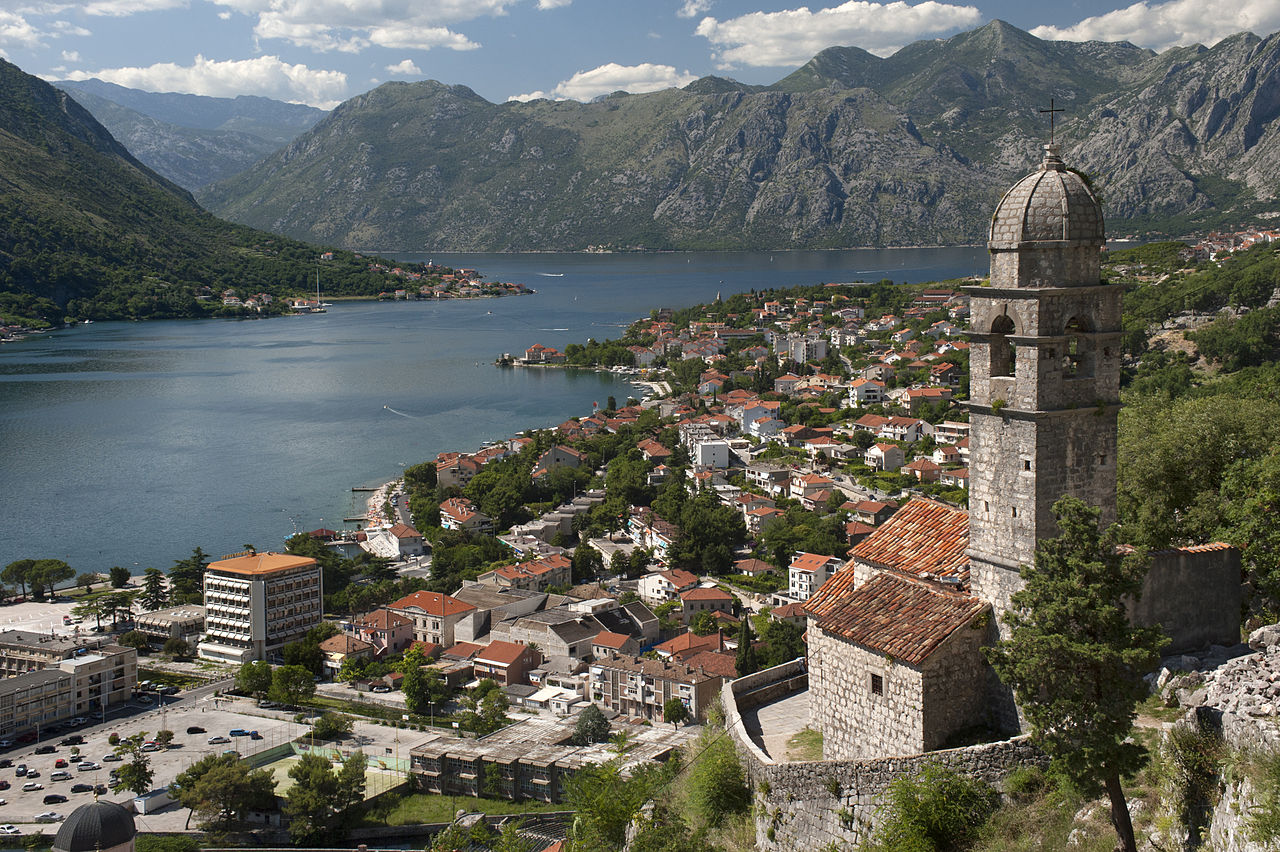
Kotor sits at the edge of its own bay, surrounded by sheer limestone cliffs that frame the medieval town. In March, the narrow, winding alleys are quiet, allowing for an intimate experience of the Romanesque cathedrals and centuries-old town squares.
The steep climb up the fortifications to the Fortress of Saint John provides a sweeping perspective of the fjord-like scenery below. Because the peak season has not yet arrived, you have the space to appreciate the stonework and the layered history of the Venetian-influenced architecture. It is an ideal base for those wanting to combine history with access to the bay.
2. Budva
While Budva is known for its summer coastal intensity, March reveals a different character. The Old Town, situated on a small peninsula, offers a dense cluster of historic buildings, churches and plazas. Walking along the stone walls facing the sea is a peaceful pursuit during this month.
Unlike the busier summer period, the surrounding beaches serve primarily as scenic outlooks rather than sunbathing spots. Visiting now allows for a focus on the structural beauty of the town and the maritime history of the area without the logistical strain of high-season visitor numbers.
3. Perast
Perast is a small, elongated settlement along the Bay of Kotor that feels frozen in time. Its architecture is defined by the grand villas of former sea captains and numerous bell towers.
A short boat trip provides access to the artificial island of Our Lady of the Rocks, known for its chapel and collection of local votive paintings. In March, the town is exceptionally tranquil, as the resident population is small and day-tripper traffic is minimal.
It is a destination for those who value architectural detail and a slow, contemplative pace.
4. Cetinje
Located in a valley at the foot of Mount Lovćen, Cetinje functioned as the royal capital and remains the country's cultural heart. The town features a collection of former foreign embassies, now repurposed as museums and administrative buildings, which provide a window into the country’s 19th-century history.
The Cetinje Monastery is another focal point, housing significant religious relics. The atmosphere is academic and quiet, reflecting a past era of diplomatic importance. Its inland position ensures a brisk, crisp environment, well-suited to walking tours of the historic centre.
5. Ostrog Monastery
This site is perhaps the most visually distinct destination in Montenegro, with its white-washed buildings appearing to grow out of a near-vertical mountain rock face. It is a major destination for pilgrimage, yet in March, the site remains accessible and contemplative.
The climb up to the upper monastery offers panoramic views of the Bjelopavlići plain. Visitors often find the sheer engineering feat of the construction as compelling as its religious significance. It requires travel along winding mountain roads, which are best navigated during daylight hours when visibility is high.
6. Ulcinj
Situated in the far south near the border with Albania, Ulcinj offers a unique blend of cultures. The town is built on a hillside, with a fortress that overlooks the sea.
Its history is tied to maritime trade and a distinct mix of Eastern and Western influences, visible in the local architecture and the atmosphere of the bazaar. March is an excellent time to witness the town’s authentic daily life, far removed from the beach tourism that dominates the warmer months.
The walk from the old town to the rocky shoreline provides a quiet perspective on the Adriatic coast.
7. Durmitor National Park
For those interested in dramatic geological features, Durmitor represents the raw power of the Dinaric Alps. While the highest trails are often inaccessible due to snow, the lower reaches and the area surrounding the town of Žabljak offer opportunities for scenic walks and photography.
The Black Lake remains a serene sight, often partially frozen or surrounded by the dark, vertical lines of pine trees against snowy peaks. It is a place for visitors who prioritise landscape and solitude over active trekking in the high mountains.
8. Herceg Novi
Positioned at the entrance to the Bay of Kotor, Herceg Novi is a town of staircases and gardens. Known historically as a settlement of sailors and botanical collectors, the town features a variety of sub-tropical plants that begin to show signs of life in March.
The fortress of Forte Mare stands as a sentinel over the bay. Exploring the town involves significant stair-climbing, which is much more comfortable in the cool air of March than during the heat of midsummer. It is a choice for those who enjoy tiered coastal scenery and a Mediterranean rhythm.
9. Lake Skadar
As the largest lake in the Balkans, Lake Skadar is a vast wetland ecosystem that crosses the border into Albania. In March, the water levels are typically higher, and the surrounding scenery is lush and green.
Taking a boat trip from the village of Virpazar allows for birdwatching and a close-up view of the historic monasteries located on the lake's islands. The calm surface of the water and the surrounding mountain silhouettes create a landscape that feels untamed. It is a peaceful alternative to the built-up coastal towns.
10. Njeguši
This village, set high in the mountains between Cetinje and the coast, is famed for its traditional food production, particularly smoked ham and cheese. The architecture consists of stone-built houses scattered across a karst landscape that feels rugged and remote.
Travelling here in March requires navigating the serpentine road that climbs from Kotor, providing incredible views of the bay below. It is a quiet, authentic experience that allows for an immersion in local culinary heritage and the high-altitude, limestone landscapes of the Montenegrin interior.
Planning and packing for March
To see the most of Montenegro, consider dividing your stay between the coast and the inland regions. Base yourself in Kotor or Budva for the first few days to explore the Adriatic shoreline and take short excursions to nearby bay villages.
Then, move inland to a town like Cetinje or near the mountains to experience the interior’s dramatic karst topography. Transport is most reliable via private car, as public bus services can be less frequent in the shoulder season.
Pack layers; the weather is unpredictable, and you will move between mild coastal air and cold mountain climates in a single day. A waterproof jacket, sturdy walking shoes for uneven stone streets and a warm fleece for the interior are essential.
Do not forget sunglasses, as the glare off the limestone and sea can be strong even on cooler, overcast days.
Frequently asked questions
Is it possible to swim in the Adriatic in March?
While the coast is mild, the sea temperature remains far too cold for comfortable swimming. Most travellers visiting in March focus on sightseeing, architectural photography and coastal walking rather than beach activities.
Will I encounter heavy snow in the mountains?
Yes, higher elevations like those in Durmitor National Park will likely have significant snow cover in March. While this provides a visually impressive landscape, it limits hiking opportunities to lower-altitude paths and valley walks.
Are the roads in the mountains safe to drive?
Main routes are generally well-maintained, but mountain roads can be narrow, winding and prone to rockfalls or lingering snow patches in higher passes. Drive slowly and ensure your vehicle is suited to mountainous terrain.
Is everything in the coastal towns open?
Some seasonal tourist businesses, such as beach clubs and certain souvenir shops, may remain closed until the late spring. However, restaurants, museums and historic sites serving the local population stay open year-round.
Which region is better for a first-time visitor?
The Bay of Kotor is ideal for a first-time visitor. It offers the most accessible concentration of historic architecture, ease of transport and dramatic scenery, providing a manageable introduction to the country.
How much time do I need to see the main highlights?
A week is sufficient to cover the primary coastal towns and make at least two significant excursions into the interior, such as visits to Cetinje or Lake Skadar, without feeling rushed.
Is it worth visiting the north if I don't ski?
Yes. Even without skiing, the northern landscape offers a unique, rugged aesthetic during March. The contrast between the snow-capped peaks and the waking valleys is a draw for photographers and those seeking quiet, dramatic scenery.
Should I focus on the coast or the mountains?
If you prefer warmer temperatures and urban exploration, focus on the coast. If you want dramatic, untamed landscapes and the experience of a quieter, more interior side of the country, the mountains and central plains are more rewarding.
Final thoughts
Choose between the coast and the interior based on the pace of travel you prefer. For a trip centred on history, stone architecture and sea views, the Bay of Kotor is the most fulfilling base, offering high density and convenience.
If you prefer quiet landscapes, mountain air and an insight into rural heritage, prioritise the central and northern areas like Cetinje or Durmitor. A balanced trip will include time in both to appreciate the stark climatic and visual contrast that defines the country in March.
Weather, opening times and transport details in this guide were correct as far as we could check. Always confirm directly before you travel.
Planning a March trip? The Our Hidden Earth map has 300,000+ verified hidden gems across 230 countries. Find the quiet places near wherever you are heading.
More guides to Montenegro.