
Best Places to Visit in Mexico in March

Written by Our Hidden Earth Editorial Team
Last updated 23 October 2026
Summary: March in Mexico offers reliable conditions for exploring the central highlands like Mexico City, coastal relaxation in the Yucatán Peninsula, or observing grey whales in Baja California. While the interior remains dry and pleasant, travellers should expect varying crowd levels at popular ruins and beach resorts throughout the month.
Our Hidden Earth maps 300,000+ verified hidden gems across 230 countries. Open the map to find the quiet places near the ones below.
Mexico in March: at a glance
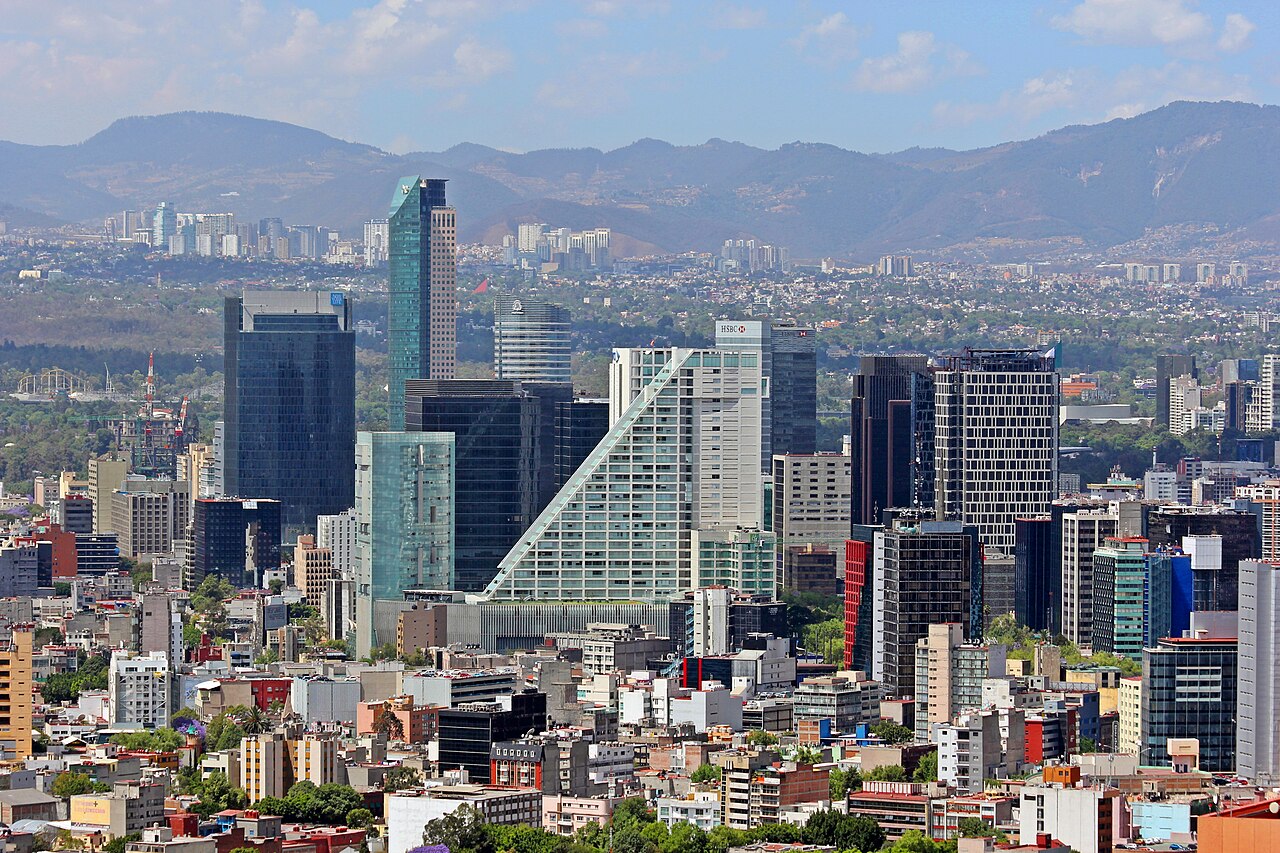
For urban history and art, head to Mexico City to enjoy mild afternoons in the sprawling parks and historic squares.
For coastal relaxation and turquoise water, visit Tulum or the broader Riviera Maya, where the dry period sustains beach days.
For nature and marine life, the lagoons of Baja California provide the primary setting for observing migrating whale populations.
For colonial architecture and a quieter pace, San Miguel de Allende offers a hilly, walkable environment in the temperate Bajío region.
Is March a good time to visit Mexico?
March is widely regarded as one of the most balanced times to experience the country. The prevailing weather across much of the mainland is stable and dry, which benefits those planning to move between outdoor archaeological sites and urban centres.
Because this is a popular period for international travellers, major hubs and coastal regions often experience higher foot traffic. If you prioritise quiet exploration, focusing on inland colonial towns or lesser-known corners of the southern states will offer a different experience than the primary beach destinations.
Those interested in festivals or traditional regional displays will also find the month conducive to outdoor gatherings, though planning ahead for accommodation in the most sought-after locations remains a sensible precaution.
Weather in Mexico in March
Mexico experiences significant climatic variation due to its diverse topography and latitude. In the central highlands, which include Mexico City and San Miguel de Allende, the air is typically crisp in the mornings and warms to comfortable levels by mid-afternoon, with very little rainfall expected.
Coastal regions along the Caribbean, such as the Yucatán Peninsula, enjoy consistent warmth with manageable humidity, making the sea conditions generally inviting. Conversely, the northern deserts can experience sharp drops in temperature after sunset.
Along the Pacific coast, the air remains warm and the skies are typically clear, providing steady conditions for those spending most of their time near the ocean.
Best places to visit in Mexico in March
1. Mexico City
The capital serves as a deep cultural reservoir, offering a dense concentration of museums, colonial architecture, and large-scale public murals. March is a favourable time for navigating the city on foot, as the days are bright and the rain is rare.
Exploring the Bosque de Chapultepec, one of the largest city parks in the Western Hemisphere, provides a view of the city's scale, while the historic centre contains the Zócalo and the Metropolitan Cathedral. The city’s geography, high in the central plateau, keeps the air fresh despite the urban density.
Visitors can spend days in the neighbourhood of Coyoacán or touring the canal systems of Xochimilco without the intense heat that arrives in later months.
2. Tulum
Located on the Caribbean coast, Tulum is defined by its proximity to the ocean and the preserved ruins of a pre-Columbian Mayan city perched on a cliff edge. In March, the conditions are ideal for visiting these coastal sites before the humidity levels climb.
Beyond the archaeology, the area is connected to a network of cenotes—natural limestone sinkholes filled with groundwater. These submerged caverns and open-air pools offer a cooler alternative to the beach.
While the town has grown significantly in popularity, the surrounding stretches of white sand remain the primary draw for those looking to balance site-seeing with a slower pace of life near the water.
3. San Miguel de Allende
This colonial town in the Bajío highlands is known for its steep, cobblestone streets and well-preserved 17th- and 18th-century architecture. The town’s centre is anchored by the neo-Gothic Parroquia de San Miguel Arcángel, whose silhouette dominates the local skyline.
March brings clear, dry weather that highlights the town’s lively facades and public plazas. It is a place for walking, as the layout is designed for pedestrians rather than vehicles.
The nearby natural hot springs provide a relaxation point, making it an excellent choice for a trip focused on atmosphere, art galleries, and the slow observation of daily life in a traditional Mexican mountain setting.
4. Oaxaca City
Oaxaca serves as the epicentre for regional crafts, culinary traditions, and indigenous heritage. The city’s low-rise buildings and central pedestrian walkways are complemented by a dry, comfortable climate in March.
Nearby, the archaeological complex of Monte Albán occupies a flattened mountaintop, offering expansive views of the valley. The market scene in the city is a focal point, featuring textiles, ceramics, and local ingredients.
Because the region is mountainous, the temperature remains moderate, allowing for comfortable exploration of both the urban centre and the surrounding craft villages where artisans continue to produce traditional black clay pottery and wood carvings.
5. Loreto, Baja California Sur
Situated on the edge of the Sea of Cortez, Loreto offers a quieter, less commercialised experience than its southern neighbour, Cabo San Lucas. March is a pivotal month for marine activity here, as the bays serve as vital areas for whale watching.
The town itself has a modest, historic feel, with a 17th-century mission serving as a central point of interest. The combination of desert landscape meeting the blue expanse of the sea defines the geography.
Visitors typically spend their time on boat excursions into the surrounding marine park or walking the small, quiet waterfront, away from the scale of the larger resort towns.
6. Mérida
As the cultural capital of the Yucatán, Mérida provides an elegant, colonial base for reaching major Mayan ruins such as Chichén Itzá and Uxmal. The city itself is organised around broad avenues and shaded plazas that remain pleasant throughout March.
The architecture reflects a mix of Spanish colonial influence and local limestone construction. Evening life often spills into the streets, with local music and dance performances held in public squares.
Using Mérida as a hub allows travellers to access the interior of the peninsula during a time when the roads are dry and the landscape is accessible for day trips to cenotes or smaller, less-visited archaeological sites.
7. Guanajuato City
Built into a narrow, winding canyon, Guanajuato is a city of tunnels, steep alleys, and colourful houses climbing the hillsides. Its status as a historic mining town is evident in the grand theatre and churches that punctuate the dense urban landscape.
In March, the mild, dry weather is perfect for navigating the city’s complex web of pedestrian-only walkways and underground tunnels. The Jardín de la Unión, the primary square, acts as the town’s living room, filled with trees and surrounding cafes.
The city offers an intense, vertical visual experience that differs significantly from the flat, coastal towns of the Caribbean or the broad valleys of the south.
8. Holbox Island
Located off the northern coast of the Yucatán, Holbox is a small island defined by a car-free environment and shallow, translucent waters. The lack of paved roads keeps the atmosphere focused on the beach and the natural surroundings.
March provides steady, sunlit days that are well-suited for wading into the sandbanks or cycling along the sandy tracks of the village. The island is part of a large nature reserve, making it a place to observe shorebirds and marine life in a low-density setting.
It is best chosen by those seeking a simple, sea-oriented stay that relies on the natural rhythm of the tides.
9. Palenque
Set in the lush, tropical jungle of Chiapas, the ruins of Palenque are known for their intricate carvings and the scale of the palace structures hidden beneath the canopy. Visiting in March allows for exploration during the drier part of the season, which makes walking the forest paths significantly easier.
The site offers a different perspective than the desert ruins of the north, as the green jungle background contrasts with the grey stone of the temples. The proximity to cascading waterfalls in the surrounding river systems provides a refreshing contrast to the historical focus, making it a compelling destination for those interested in the overlap of archaeology and natural environment.
10. Puerto Vallarta
Sitting on the Bay of Banderas, this Pacific coastal destination is backed by the steep, green slopes of the Sierra Madre mountains. The combination of a large bay and mountain scenery allows for diverse activities, from boat trips to inland hiking.
In March, the ocean air remains comfortable, and the town retains a historic charm in its older, southern district with tiled roofs and cobblestone streets. It is a destination that feels both like a modern resort area and a living, functional city.
The boardwalk provides a long, open stretch for evening walks, showcasing the intersection of the jungle-clad hills and the Pacific horizon.
Planning and packing for March
When planning, distinguish between the highland regions—where temperatures drop significantly after dark—and the coastal plains. Layers are essential. For inland towns like San Miguel de Allende or Mexico City, bring a medium-weight jacket or a sturdy sweater for evenings and early mornings.
In contrast, coastal areas like Tulum or Puerto Vallarta require lightweight, breathable fabrics and sun protection, as the midday sun is intense regardless of the month. Comfortable, sturdy walking shoes are a priority for every destination, particularly in the colonial cities where uneven cobblestones are standard.
Always ensure you have a light rain shell, though March is typically dry, as sudden tropical showers can occur in the southern jungle regions.
Frequently asked questions
1. Should I choose the Pacific or Caribbean coast in March?
Both coasts have excellent weather in March. Choose the Caribbean coast if you want turquoise, warmer water and proximity to Mayan ruins. Choose the Pacific coast if you prefer dramatic mountain-meets-ocean scenery, boat-based whale watching, and a mix of hiking and beach time.
2. Is a car necessary to visit the Yucatán Peninsula?
A car provides the most flexibility for reaching cenotes and ruins like Uxmal, which are outside of central hubs like Mérida. However, public buses are reliable and extensive between major towns. If you stay entirely within a resort area like Tulum, a bicycle or local taxi is usually sufficient.
3. Are the archaeological sites very crowded in March?
Large sites such as Chichén Itzá attract significant numbers throughout the year. To mitigate the impact of crowds, plan to arrive at the gates early in the morning, which also helps avoid the strongest midday heat.
4. Do I need to book accommodation far in advance?
For popular tourist hotspots, particularly during the middle of the month when international school holidays often coincide, booking well ahead is advisable. Smaller inland towns and lesser-known jungle bases generally offer more flexibility for late planners.
5. Can I swim in the ocean in March?
Yes, the water on both the Caribbean and Pacific coasts is generally pleasant in March. The Caribbean sea is typically warmer and calmer, while the Pacific can have more significant swells depending on the specific beach location.
6. What is the best way to see whales in Baja California?
Whale watching is best done through organised boat tours that depart from towns like Loreto. These excursions are strictly regulated to protect the animals, so rely on licensed operators to access the protected lagoons where the whales gather.
7. Is Mexico City safe for walking?
Like any major global city, stick to well-populated, tourist-friendly neighbourhoods like Roma, Condesa, or the Historic Centre. Use authorised transport when moving between distant areas, and be mindful of your belongings in crowded public spaces like markets.
8. What is the most important item to pack for the highlands?
A versatile jacket is vital. The altitude in places like Mexico City and Guanajuato creates a distinct difference between the warm, sunny afternoons and the cool, often chilly nights, so dressing in layers is the most effective approach.
Final thoughts
For a trip defined by deep cultural exploration, architecture, and a temperate climate, base yourself in the central highlands, with Mexico City or San Miguel de Allende as the primary choices. If your goal is a balance of history and relaxation, the Yucatán Peninsula offers the most efficient access to both Mayan ruins and high-quality coastal waters.
Choose the highlands for an active, city-based experience, and the peninsula if your priority is a mix of beach time and archaeological sightseeing.
Weather, opening times and transport details in this guide were correct as far as we could check. Always confirm directly before you travel.
Planning a March trip? The Our Hidden Earth map has 300,000+ verified hidden gems across 230 countries. Find the quiet places near wherever you are heading.
More guides to Mexico.