
Best Places to Visit in Mauritius in March

Written by Our Hidden Earth Editorial Team
Last updated 23 October 2026
Summary: March in Mauritius offers a balance of warm tropical conditions, ideal for exploring the interior mountains of Black River Gorges, the colonial history of Port Louis, and the sheltered western beaches of Flic-en-Flac. While the season remains humid, travellers benefit from a transition period that often precedes the arrival of more stable autumnal weather.
Our Hidden Earth maps 300,000+ verified hidden gems across 230 countries. Open the map to find the quiet places near the ones below.
Mauritius in March: at a glance
For mountain hiking and native forest walks, head to Black River Gorges National Park.
For city history and local markets, choose the capital, Port Louis.
For calm western lagoons and sunsets, prioritise the coastline at Flic-en-Flac.
For botanical gardens and historical plant life, visit the Pamplemousses area.
Is March a good time to visit Mauritius?
March is an appropriate time for those who appreciate a warm, tropical climate and are comfortable with the possibility of intermittent rainfall. The island is typically lush and green during this period, following the wettest months of the year.
Visitors who prefer to avoid the peak heat of mid-summer but want to remain in a warm environment will find the conditions suitable. It is a period that favours a slower pace of life, where mornings are often prioritised for outdoor activity before the humidity levels rise in the afternoon.
Weather in Mauritius in March
The climate across Mauritius in March is defined by warm air and consistently elevated humidity. Coastal areas remain balmy, with the sea temperature conducive to swimming and water-based activities.
There is a regional distinction between the windward east coast, which receives more frequent breeze and occasional light showers, and the more sheltered west coast, which tends to stay drier and quieter. While rainfall can occur throughout the island, it often manifests as short, heavy bursts that pass quickly, leaving the landscape refreshed.
Best places to visit in Mauritius in March
1. Black River Gorges National Park
Occupying a significant portion of the island's southwestern interior, this park is the primary destination for those interested in the natural topography of Mauritius. March sees the landscape in a state of deep verdancy, with the forested ravines and high plateaus providing a dramatic contrast to the coastal zones.
The park contains an extensive network of tracks that wind through native vegetation, offering opportunities to observe endemic bird species and the varied flora that characterises the Mascarene Islands. Visitors can access various viewpoints that look out over the river valleys, providing a sense of the rugged landscape that exists away from the beach resorts.
2. Port Louis
The capital city serves as the commercial and cultural heart of the island. March allows for a thorough exploration of its historical architecture, such as the Aapravasi Ghat and the colonial-era structures near the central plaza.
The city is defined by the juxtaposition of its modern waterfront and the traditional markets where local produce and spices are traded. The Champ de Mars racecourse, the oldest in the region, offers a look at the island's sporting history.
Exploring the city on foot during the morning hours avoids the highest humidity, allowing for a comfortable walk through the narrow streets of the older quarters.
3. Flic-en-Flac
Located on the western coast, this area is widely regarded for its extensive sandy beach and calm lagoon, protected from the stronger winds found elsewhere. In March, the sea conditions remain favourable for swimming and snorkelling, as the western side of the island experiences less exposure to the trade winds.
The village has grown from a fishing settlement into a hub for coastal life, where the focus is on the sunset views across the Indian Ocean. It serves as an accessible base for those who wish to combine proximity to the interior national parks with the convenience of a serviced beach environment.
4. Pamplemousses
The Sir Seewoosagur Ramgoolam Botanical Garden is the primary draw for this northern region. It is noted for its collection of international plant species, most famously the giant Victoria amazonica water lilies and the talipot palms.
March is a time when the garden’s foliage is particularly dense, offering a shaded environment to walk through the various sections of the park. It provides a quiet, introspective experience compared to the busier coastal towns.
The nearby village offers a sense of historical Mauritius, with a well-preserved church that dates back to the mid-eighteenth century.
5. Le Morne Brabant
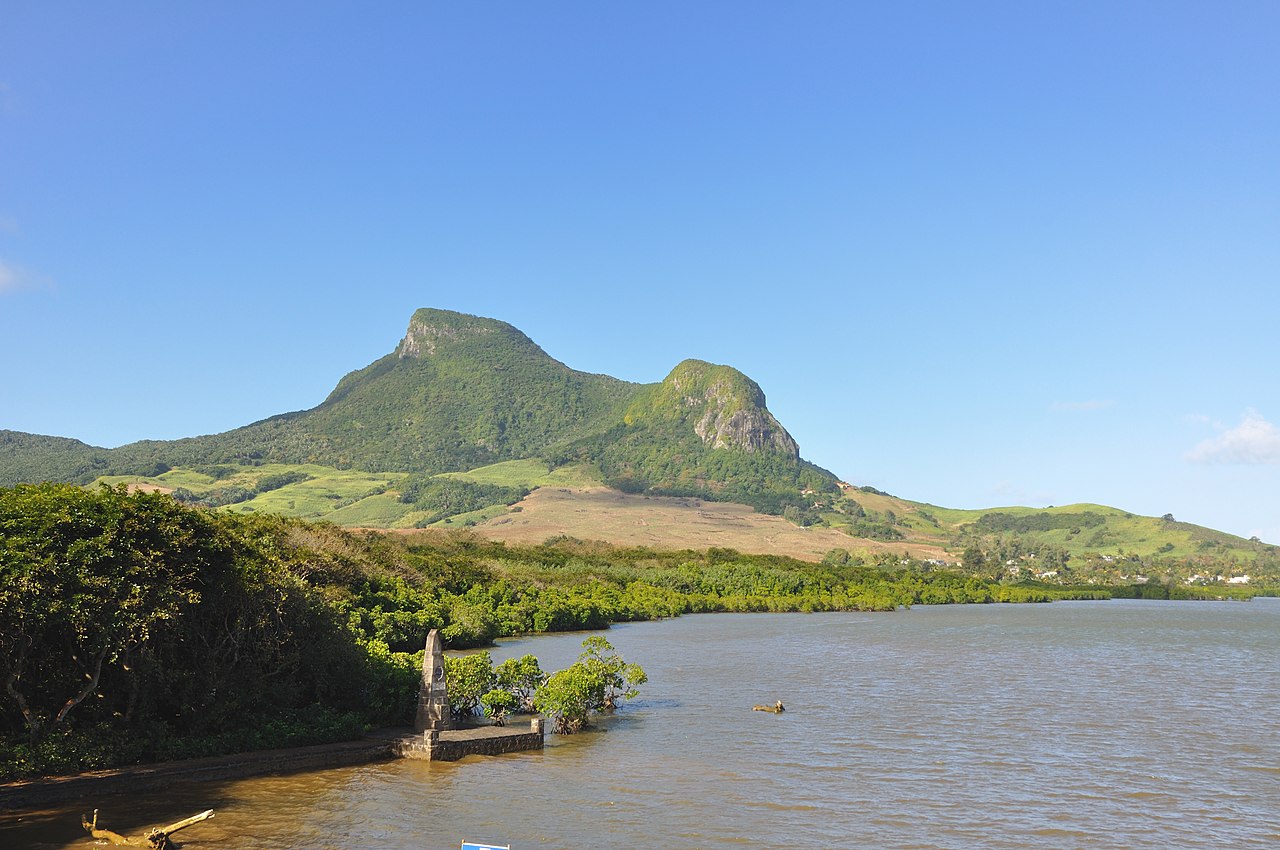
This mountain and its surrounding peninsula form one of the most distinctive landscapes in the country. The monolith rises directly from the sea, serving as a landmark that can be viewed from several miles away along the southern coast.
While the peninsula is known for its wide beaches and luxury properties, the appeal of the area lies in the sheer physical presence of the mountain and its history as a sanctuary. Visitors can spend time on the coastal fringes, where the water is clear and the backdrop of the mountain provides a sense of enclosure and isolation.
6. Chamarel
Situated in the southwestern highlands, the village of Chamarel is known for the Seven Coloured Earths, a natural geological formation where sand dunes of varying mineral compositions display distinct hues. The area is also home to a significant waterfall that descends into a forested gorge, best viewed when the preceding months have provided sufficient rainfall.
The winding roads leading to the village offer views over the southern plains and the coastline. It is a cooler, elevated retreat from the humidity of the beach, making it a preferred location for a day-long excursion.
7. Mahébourg
Positioned on the southeastern coast, Mahébourg offers a glimpse into the island's maritime history. As one of the original colonial ports, its waterfront still reflects the influence of the Dutch and French occupations.
The local market is a focal point for daily life, where visitors can encounter a wider variety of local goods compared to the more tourist-centric northern markets. The nearby Blue Bay Marine Park, accessible by short boat trips, allows for exploration of coral gardens in deeper, cooler water.
It is a destination suited to those who prioritise cultural authenticity over resort-style amenities.
8. Grand Baie
For those seeking a concentration of activity, the northern coastal town of Grand Baie provides a high density of shops, dining venues, and small, protected coves. March allows visitors to enjoy the town's maritime atmosphere without the peak crowds often associated with the holiday season.
The bay itself is a focal point for boat excursions heading to the northern islets, which are scattered off the coast. It is a convenient base for exploring the north of the island, including the small fishing villages that extend along the coastal road toward the eastern peninsulas.
9. Trou d'Eau Douce
This quiet coastal village on the east side of the island is the primary gateway to the Île aux Cerfs, a small island known for its lagoons and sandy stretches. March weather here can be breezy, which helps to mitigate the feeling of humidity.
The village itself retains a traditional atmosphere, with small boats moored in the shallow waters and a pace of life that feels far removed from the more developed resorts. It is a destination for those who want to experience the eastern coastline's raw, windswept beauty and have easy access to the offshore islets.
10. Souillac
Located on the rugged southern coast, Souillac is characterised by cliffs and a more dramatic maritime environment than the sandy beaches of the north or west. The Gris Gris beach here is notable for the absence of a coral reef barrier, allowing the waves to strike the shoreline with more force.
It is not a place for swimming, but rather for walking along the clifftops and observing the raw interaction between the ocean and the basalt rock. It provides a different perspective on the island's geography, emphasizing the powerful, untamed nature of the southern coastline.
Planning and packing for March
When selecting a base, choose between the sheltered western coast, such as Flic-en-Flac or Le Morne, for calm swimming and sunsets, or the eastern coast if you prefer stronger coastal breezes to manage the humidity. Regardless of your choice, pack lightweight, breathable fabrics and reliable footwear suitable for both beach walks and uneven hiking trails in the national parks.
A lightweight waterproof jacket is useful for the occasional passing shower, and sun protection is essential even on days with cloud cover. A compact, quick-drying towel is a practical addition for island hopping or spontaneous dips in lagoons.
Frequently asked questions
Is the water warm enough for swimming in March?
Yes, the sea remains warm throughout March, making it ideal for swimming, snorkelling, and other water-based activities. The lagoons around the coast generally retain a comfortable temperature that is suitable for extended periods in the water, particularly on the western and northern shores.
Should I expect daily rainfall?
While rain is possible in March, it rarely lasts all day. You are more likely to encounter short, intense showers followed by periods of sunshine. The weather is typical of a tropical environment during a transition phase, so remain flexible with your daily plans.
Is it better to stay on the west or east coast?
The choice depends on your preference for sea conditions. The west coast is sheltered and generally calmer, making it better for swimming. The east coast is more exposed to the trade winds, which can be refreshing during humid afternoons but may lead to choppier waters.
Are the hiking trails in Black River Gorges accessible?
The park is generally accessible, though paths can become muddy and slippery after rainfall. Always assess the conditions at the start of your day and stick to marked trails. The interior humidity is high, so start your walks early in the morning to avoid the heat.
Is a rental car necessary for exploring?
A car provides the most flexibility for reaching the various corners of the island, particularly if you plan to visit the mountainous interior or multiple coastal regions. If you prefer to stay in one area, local taxis and organised excursions can manage short-to-medium distance trips.
How humid is it in March?
Humidity is noticeable, especially in the afternoons. Coastal breezes help mitigate this feeling, particularly on the windward side of the island. Staying active in the morning and choosing shaded activities for the middle of the day will help you manage the tropical conditions comfortably.
Are there significant seasonal events in March?
Mauritius has a varied cultural calendar that may include religious or public holidays. These events often feature local markets, music, and food, providing an insight into the island's diverse heritage. It is worth checking local information upon arrival to see if any local commemorations coincide with your visit.
How long should I stay to see the island?
A stay of ten to fourteen days allows for a balance between coastal relaxation and exploring the island's interior, historical sites, and diverse regional landscapes. This duration ensures that even if you have a few days of varied weather, you can still experience the main highlights.
Final thoughts
For a trip defined by ease and coastal comfort, base yourself in Flic-en-Flac or the Le Morne area, where the western lagoons remain calm and protected. If your priority is a more rugged experience involving hiking and exploration of the island’s mountainous heart, consider Black River Gorges as your primary focus.
Choosing the west coast ensures a more consistent experience if you are sensitive to wind and humidity, while the interior offers a welcome, verdant retreat.
Weather, opening times and transport details in this guide were correct as far as we could check. Always confirm directly before you travel.
Planning a March trip? The Our Hidden Earth map has 300,000+ verified hidden gems across 230 countries. Find the quiet places near wherever you are heading.
More guides to Mauritius.