
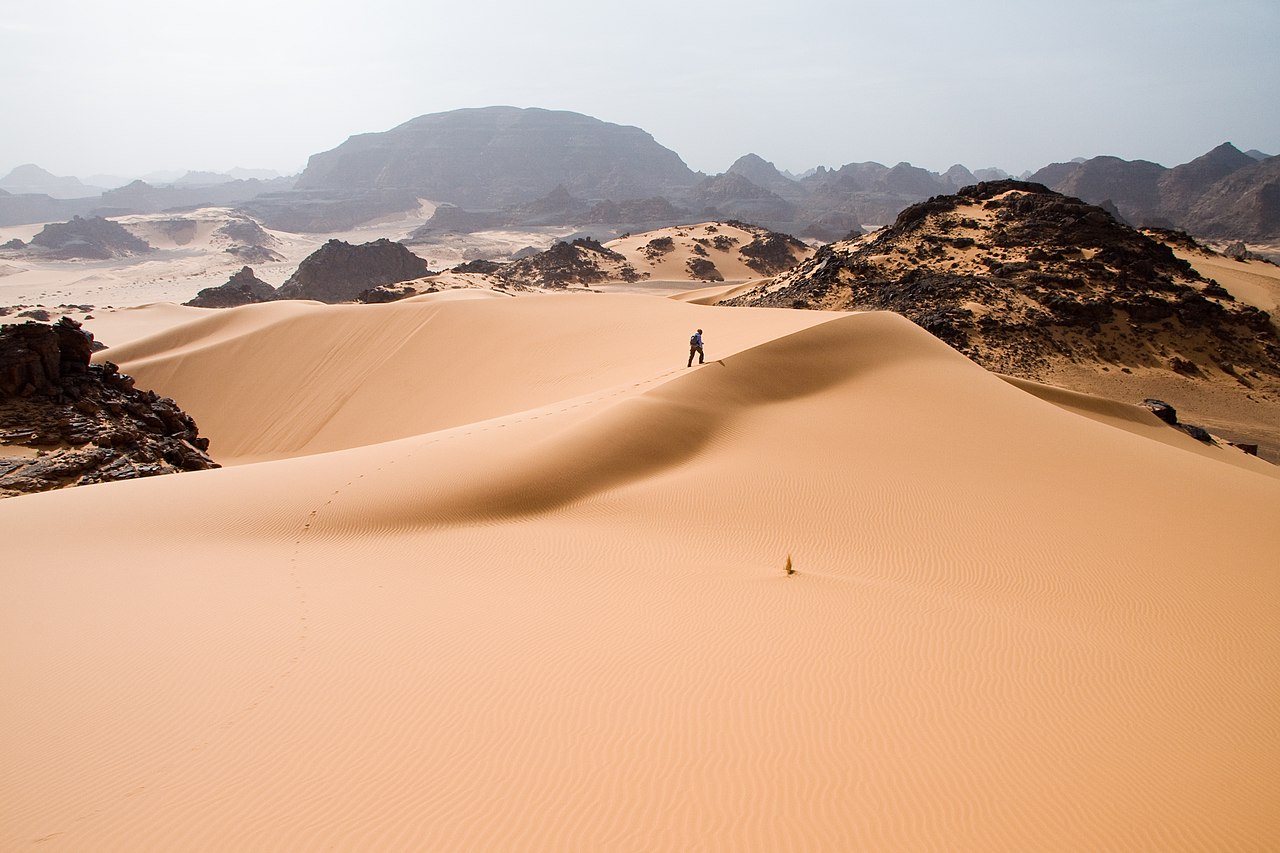
Best Places to Visit in Libya in March

Written by Our Hidden Earth Editorial Team
Last updated 23 October 2026
Summary: March in Libya offers the opportunity to explore ancient Roman coastal ruins in Leptis Magna, the desert-fringed architecture of Ghadames, and the mountain culture of the Nafusa range. Travel is best focused on the moderate temperatures that precede the onset of extreme heat, allowing for extensive walking among sensitive archaeological sites.
Our Hidden Earth maps 300,000+ verified hidden gems across 230 countries. Open the map to find the quiet places near the ones below.
Libya in March: at a glance
Leptis Magna: Provides access to some of the most preserved Roman urban planning in the Mediterranean without the mid-summer intensity.
Ghadames: Offers a unique chance to observe desert architecture and oasis life before the height of the Saharan seasonal heat.
Jebel Nafusa: Suited for those interested in Berber history and elevated, cooler mountain landscapes away from the coastal plains.
Tripoli: Serves as an essential base for exploring the western coast, featuring a historic medina and proximity to regional landmarks.
Is March a good time to visit Libya?
March is a sensible period for visiting Libya because the climate allows for sustained outdoor activity. The country is vast, with archaeological zones often lacking shade, so avoiding the summer months is critical for a comfortable experience.
Travellers who prioritise historical exploration and landscape photography will find the moderate conditions beneficial, as they permit spending long hours examining stonework and remote desert settlements. However, visitors must be prepared for the realities of Saharan travel, where local infrastructure is limited and professional coordination is required to navigate diverse regions safely.
Weather in Libya in March
The climate in Libya varies significantly between the Mediterranean coastline and the deep interior. In the north, including the areas surrounding Tripoli and the ruins along the coast, the air is typically temperate. Mornings may be crisp, and the sun is generally present but rarely oppressive.
As one moves south into the Fezzan or towards the border regions near the Sahara, the environment becomes markedly more arid. Days may grow warm, but the drop in temperature after sunset is pronounced, particularly in high-altitude areas like the Nafusa Mountains or the desert interior.
Sudden sand-bearing winds can occasionally affect visibility and comfort in open environments.
Best places to visit in Libya in March
1. Leptis Magna
Located east of Tripoli, Leptis Magna is an expansive Roman site that demands significant time on foot. The structures here, including the amphitheatre, the triumphal arch, and the expansive forum, are constructed from limestone and sandstone, which remain comfortable to explore during the mild conditions of March.
Because the site is open and exposed, the lack of intense heat allows visitors to walk the full length of the cardo maximus and observe the intricate carvings on the harbour walls without the fatigue associated with summer visits. The proximity to the sea adds a refreshing breeze, making this one of the most accessible and impressive archaeological encounters in the country.
2. Ghadames
Known as the pearl of the desert, Ghadames is a traditional town built to combat extreme environmental conditions. Its architecture is defined by interconnected, shaded walkways and multi-storey mud-brick dwellings designed to keep interiors cool.
Visiting in March allows travellers to walk through the labyrinthine streets at a pace that enables them to appreciate the clever light-wells and communal rooftop terraces. This is a destination for those who wish to understand Saharan urbanisation and local craftsmanship.
The surrounding oasis landscape provides a stark contrast to the ochre hues of the town itself, creating a distinct visual experience.
3. Sabratha
Positioned on the coast west of Tripoli, Sabratha is a former Phoenician and Roman trading post. The most striking element here is the restored theatre, which looks out over the Mediterranean Sea.
The site is compact compared to other Roman cities in the region, making it suitable for a focused afternoon of exploration. In March, the site benefits from coastal air, keeping the atmosphere fresh for those climbing the steps of the theatre or walking through the various mosaic-adorned villas.
The intersection of desert sand and coastal water makes this a significant location for appreciating how Roman cities were integrated into the North African littoral.
4. Jebel Nafusa
The Nafusa Mountains offer a completely different experience from the coastal ruins. This region is the heartland of Berber culture, known for its unique villages carved directly into the mountain sides and fortified granaries known as qasrs.
The elevated terrain ensures that even as the lowlands begin to warm, the mountains remain pleasant and often brisk in the mornings. Exploring these sites requires travelling along winding roads that reveal dramatic cliffs and agricultural terraces.
The focus here is on the interaction between human habitation and rugged geology, with many settlements providing expansive views of the plains below.
5. Tripoli
As the capital, Tripoli is the central hub for any Libyan itinerary. Its historic medina is a dense collection of traditional markets, mosques, and former palaces that represent the city's long history under various Mediterranean powers.
March provides a clear window for navigating these narrow alleys without the stifling humidity that can define the coastal cities later in the year. The Red Castle Museum, located at the heart of the city, offers a comprehensive overview of the region's historical epochs.
The city serves not just as a transit point, but as a place to witness the contemporary life and social fabric of the country.
6. Cyrene
Located in the Jebel Akhdar region, the ancient Greek city of Cyrene sits on an escarpment overlooking the sea. The geography here is lush compared to the rest of the country, benefiting from higher rainfall that sustains vegetation throughout the year.
In March, the rolling hills surrounding the ruins are typically lively. The sprawling site includes a theatre, temples, and a vast necropolis. The cooler, higher-altitude air of the Green Mountains makes this an ideal choice for visitors who find the arid conditions of the south challenging.
The scale of the ruins is immense, reflecting the importance of this city in the ancient Hellenic world.
7. Qasr al-Haj
This is a singular, circular fortified granary located in the Nafusa region. Unlike a city, Qasr al-Haj is a self-contained architectural achievement designed to store grain and protect local harvests. The structure features hundreds of small, multi-level chambers arranged in rings around an open courtyard.
Visiting in March is ideal, as the interior of the structure remains relatively cool and the light entering from the sky above provides excellent conditions for observing the masonry. It is a quiet, contemplative site that illustrates the historical necessity of communal storage in harsh environments.
8. Apollonia
The port city for Cyrene, Apollonia is located on the coast of the Mediterranean. A significant portion of this archaeological site is now submerged, which provides a fascinating perspective for those observing from the shoreline or designated viewpoints.
The remaining land-based ruins include a basilica and defensive fortifications. Because the area is coastal, the temperature in March is tempered by the sea, providing a mild environment for wandering the cliffside paths and viewing the remains of the harbour works.
It is a more tranquil alternative to the larger, more frequented ruins in the west of the country.
9. Nalut
Perched on the edge of the Nafusa plateau, Nalut is known for its dramatic ksar, which stands guard over the valley. The location offers a vantage point that is particularly rewarding in March, when the air is usually clear.
The ksar is built into the rock and serves as a testament to the defensive strategies of the Berber tribes. Navigating the steep inclines and stone stairways is far more manageable in the cool air of spring.
The nearby town serves as a base for exploring the western reaches of the mountains, offering a glimpse into a culture that has preserved its traditions in relative isolation.
10. Janzur
Janzur is best known for its underground catacombs, which feature well-preserved frescoes and burial chambers. These subterranean spaces are unaffected by external weather conditions, making them a consistent year-round destination, but they are particularly pleasant to visit in March when the transit to and from the site is done in comfortable temperatures.
The paintings are a vital record of the blending of Roman and local artistic traditions. It is an efficient, focused trip for those based in or near Tripoli who wish to see a specific aspect of regional history that is often overlooked in favour of grander open-air ruins.
Planning and packing for March
When planning a trip to Libya, consider using a single coastal or mountain base and undertaking day trips to nearby sites to avoid excessive travel. Because many historical sites are located in open, exposed areas, bring sturdy, comfortable footwear for walking on uneven terrain and stone paths.
Layered clothing is the most effective approach for March: light, long-sleeved garments are essential for sun protection during the day, while a sweater or medium-weight jacket is necessary for the rapid cooling that occurs after sunset, especially in the mountains or desert. Always keep sun protection, including a hat and sunglasses, as the reflected light from limestone ruins can be intense even in the early spring.
Frequently asked questions
Is it possible to visit both the coast and the desert in March?
Yes, but it requires careful coordination. March allows for comfortable travel in both zones as the desert heat has not yet peaked and the coast is mild.
However, the travel distances are significant, so dedicating time specifically to each region is recommended to ensure you are not spending the majority of your trip in transit.
Do I need specialist clothing for the desert?
You should pack light-coloured, loose-fitting cotton or linen clothing that covers your arms and legs. This provides the best protection against both the sun and the abrasive effects of wind-blown sand. Always bring an extra layer for the evenings, as desert temperatures drop significantly once the sun disappears.
Which region is more comfortable for those who dislike heat?
The Jebel Nafusa and Jebel Akhdar (Cyrene) regions are the best choices. Their higher elevation ensures cooler, more consistent temperatures compared to the coastal plains or the deep Saharan interior. These areas remain fresh and breezy throughout March, making them ideal for long days of exploring.
Is March a busy time for tourism in Libya?
Libya does not experience the same seasonal surges in visitor numbers as many other Mediterranean destinations. While you may encounter occasional small groups at the most famous ruins, you will generally find the sites quiet, allowing for a much more solitary and reflective experience regardless of the specific week in March.
Are the archaeological sites fully accessible?
While most major sites like Leptis Magna and Sabratha are open to visitors, access to specific buildings or remote areas can vary depending on local maintenance. It is standard to explore these areas on foot; be prepared for uneven ground and lack of shade, so plan your visits for the cooler parts of the day.
How do I travel between the different regions?
Travel in Libya is typically arranged through local facilitators who manage transportation between cities and remote sites. Relying on organised transport is essential for navigating the long distances between the coastal ruins and the interior mountains.
Discuss your focus with your coordinator well in advance to ensure your route is coherent.
Is the water warm enough for swimming in March?
While the Mediterranean remains relatively mild, the sea temperature in March is generally brisk. Most visitors focus their trips on historical and cultural exploration rather than beach activities.
If you plan to visit coastal sites, treat the water as a visual backdrop to the ruins rather than a primary destination for swimming.
Should I focus on the Roman ruins or the Berber villages?
This depends on your interest. Choose the coastal Roman sites if you prefer expansive, city-scale archaeology and Mediterranean views.
Choose the Nafusa Mountains if you are interested in indigenous Berber architecture, fortified granaries, and a rugged, mountainous landscape that offers a more secluded and culturally distinct experience.
Final thoughts
Choose Leptis Magna if your priority is grand, easily accessible Roman history and you want to be based near the coast. If you prefer a more contemplative experience and an interest in unique mountain architecture, prioritise the Jebel Nafusa region.
Combining these two interests provides the most comprehensive view of the country, but selecting one will allow for a more relaxed pace during your March visit.
Weather, opening times and transport details in this guide were correct as far as we could check. Always confirm directly before you travel.
Planning a March trip? The Our Hidden Earth map has 300,000+ verified hidden gems across 230 countries. Find the quiet places near wherever you are heading.
More guides to Libya.