
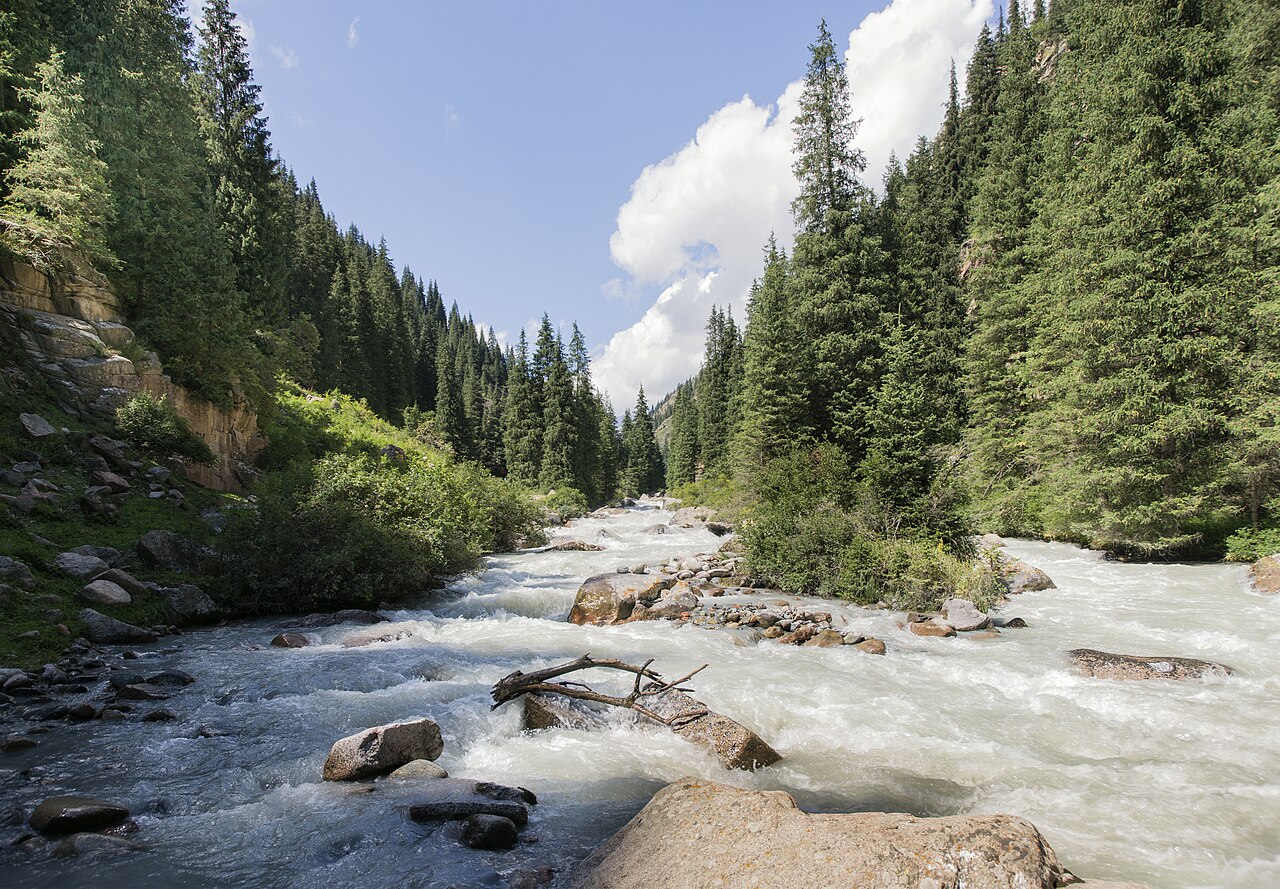
Best Places to Visit in Kyrgyzstan in March

Written by Our Hidden Earth Editorial Team
Last updated 23 October 2026
Summary: Kyrgyzstan in March is a time of transition, ideal for those interested in lower-altitude cultural experiences in Bishkek, early-season exploration of the Burana Tower, or experiencing the final days of winter sports in Karakol. Travellers should note that higher mountain passes remain obstructed by snow, limiting access to remote alpine summer pastures.
Our Hidden Earth maps 300,000+ verified hidden gems across 230 countries. Open the map to find the quiet places near the ones below.
Kyrgyzstan in March: at a glance
Bishkek: Ideal for urban exploration and accessing local history museums during the quieter pre-tourist season.
Karakol: Offers late-season skiing and access to local bazaars featuring regional Dungan cuisine.
Chuy Valley: Best for visiting historical sites like the Burana Tower when paths are accessible and crowd-free.
Issyk-Kul Lake: Recommended for those who prefer calm, reflective lakeside vistas away from the summer swimming crowds.
Is March a good time to visit Kyrgyzstan?
March represents the tail end of the winter season and the very beginning of spring. It is a suitable time for travellers who prefer avoiding the surge of summer hikers and wish to experience the country with fewer visitors.
The cities are fully operational, and the cultural life in places like Bishkek remains active throughout the month. However, the primary limitation is the climate at higher elevations.
Travellers focused on mountain trekking will find many high-altitude routes blocked by heavy snow, and secondary roads leading to remote yurts or alpine lakes may be impassable. It is a time for those who are content with valley-based exploration rather than high-mountain expeditions.
Weather in Kyrgyzstan in March
The climate across Kyrgyzstan is highly varied due to the significant changes in elevation. In the lower valleys and urban centres like Bishkek and Osh, the air begins to warm, and the snow in the streets typically melts, although days can remain crisp.
As one moves toward the higher mountain passes and the Tian Shan range, conditions are decidedly winter-like, with frequent freezing temperatures and substantial snowpack. The area around Issyk-Kul Lake stays relatively milder due to the lake’s depth, which prevents it from freezing, but the surrounding peaks will remain draped in white.
Travellers should expect frequent changes in weather, ranging from bright, clear days to sudden, blustery snow showers.
Best places to visit in Kyrgyzstan in March
1. Bishkek
The capital city serves as the most reliable base during March. With the snow cleared from the main thoroughfares, the city's parks, such as Panfilov Park, offer a peaceful space for long walks.
The State History Museum provides a comprehensive look at the region’s nomadic heritage, and the surrounding plazas are well-situated for observing the daily rhythm of local life. As a regional transport hub, Bishkek is the most logical starting point for any trip this month, providing easy access to surrounding valley sites before venturing further afield.
2. Karakol
Located near the eastern end of Issyk-Kul Lake, Karakol is a cultural crossroads. The Dungan Mosque, a structure built without nails, and the Holy Trinity Orthodox Church offer a glimpse into the town's diverse history.
In March, the nearby ski base remains a draw for those looking to enjoy the final weeks of winter sports. The town is also known for its local market, which remains active and provides a great opportunity to sample regional staples like ash-lan-fu, a cold, spicy noodle dish that remains a year-round favourite.
3. Tokmok and the Burana Tower
The Burana Tower stands as one of the oldest minarets in Central Asia and is a primary destination in the Chuy Valley. In March, the site is often quiet, allowing for a thorough exploration of the surrounding ruins and the collection of stone carvings known as balbals.
The flat, open landscape of the valley is easily navigable at this time of year, making it a straightforward day trip from the capital. It provides a stark, atmospheric view of the historical Silk Road legacy against the backdrop of the still-snow-capped mountains.
4. Cholpon-Ata
Situated on the northern shore of Issyk-Kul, this town is known for its open-air museum of petroglyphs, which date back thousands of years. While the lakeside beaches are not the focus in March, the setting is serene, and the air is fresh.
The local petroglyphs, carved into boulders, are easily accessible even if the ground is damp. It is a destination for those who value quiet reflection and historical photography without the competition for space that defines the lakeside in the peak of July and August.
5. Osh
As one of the oldest cities in the country, Osh offers a warmer climate than the northern regions due to its location in the Fergana Valley. Sulaiman-Too, a sacred mountain that overlooks the city, is a focal point for local culture and provides expansive views of the urban sprawl below.
March is an excellent time to visit the Jayma Bazaar, one of the largest and most lively markets in Central Asia, where the trade in textiles and spices continues unaffected by the season.
6. The Ala-Archa National Park
While the deeper reaches of this park are reserved for experienced mountaineers, the lower trails near the entrance are manageable in March. The landscape here is dominated by dramatic gorges and pine forests.
Even if the higher paths are snowed under, the lower valley offers a rugged introduction to the Kyrgyz landscape. It is a place to appreciate the sheer scale of the mountains while remaining within a short distance of the capital, provided one dresses for the cold, thin air.
7. Jeti-Oguz
Famous for its distinctive red sandstone rock formations, Jeti-Oguz is striking when framed by the white snow of late winter. The contrast between the rusted-red cliffs and the surrounding slopes is particularly vivid in the clear light of March.
While the full hiking trails may be inaccessible, the area is well-suited for a scenic drive from Karakol. The location allows visitors to experience the wilder, vertical topography of the country while sticking to the lower reaches of the valley.
8. Naryn
Naryn is the gateway to the more remote southern regions of the country. In March, the town feels isolated and quiet, reflecting the harsh, high-altitude reality of the central highlands.
It is a destination for the independent traveller who wants to see the authentic, everyday life of a mountain town that serves as a regional centre for livestock trading. The surroundings are stark and formidable, offering an unfiltered look at the landscape that has shaped the nomadic identity of the region.
9. Arslanbob
Home to the world's largest natural walnut forest, this village in the Jalal-Abad region provides a different experience from the high, rocky mountains. Even in March, the forest floor begins to show signs of awakening.
The local community has a strong tradition of hospitality, and the village atmosphere is subdued and welcoming. It is an ideal spot for those who prefer forest walks and cultural immersion over high-altitude trekking or city-based sightseeing.
10. Kaji-Say
On the southern shore of Issyk-Kul, Kaji-Say offers access to the Fairy Tale Canyon (Skazka Canyon), known for its colourful, eroded rock formations. The shapes and hues of the clay and sandstone are intense, and in March, the site is usually empty of other visitors.
The canyon is a geological anomaly that rewards those who take the time to navigate the terrain. It provides a unique, surreal landscape that is far removed from the more traditional mountain scenery of the northern ranges.
Planning and packing for March
Planning a trip to Kyrgyzstan in March requires a focus on flexibility. Base yourself in larger towns like Bishkek or Osh, as these offer the most reliable services, transport links, and accommodation options.
Rely on shared taxis or public transport between these hubs, but remain aware that rural mountain passes can close unexpectedly due to fresh snowfall. Pack in layers; you will need heavy, insulated outerwear for mountain excursions, as well as waterproof boots with good grip for muddy or slushy ground.
A windproof jacket is essential for the valleys, and thermal base layers are recommended even for city sightseeing. Always carry a physical map and a power bank, as cold temperatures can deplete mobile device batteries more quickly than expected.
Frequently asked questions
Is it possible to go hiking in the mountains during March?
Only low-altitude valley trails are generally accessible in March. Most high-altitude mountain passes remain under deep snow, and technical climbing routes are considered dangerous. Stick to the lower valleys near urban centres, and always enquire with local guides about trail conditions before departing.
Can I reach the remote high-altitude yurts in March?
No, most high-altitude summer pastures and the associated yurt camps are closed throughout March. The nomadic infrastructure typically only begins to move back to the high pastures later in the spring once the snow has cleared and the ground has thawed.
Is the weather uniform throughout the country?
The weather is highly varied. Southern regions like Osh are noticeably warmer due to lower altitudes, while the northern and central mountain regions remain firmly in the grip of winter. Always check the forecast for your specific destination rather than assuming a national average.
Should I focus on Bishkek or Osh for a short trip?
Bishkek is better for those interested in museums, access to the Chuy Valley, and proximity to mountain parks like Ala-Archa. Osh is a better choice if you want to experience the atmosphere of ancient trade routes, visit a massive, authentic bazaar, and enjoy a slightly milder climate.
What is the most reliable way to travel between cities?
Shared taxis are the most common and practical method for intercity travel. They operate frequently between major hubs. While they are cost-effective, be prepared for shared conditions and travel times that can vary significantly based on road conditions and mountain pass accessibility.
Is March a good time for photography?
Yes, the clarity of the air in March is excellent, and the contrast between snow-capped peaks and the beginning of greenery in the valleys creates vivid, dramatic scenes. It is particularly good for architectural and landscape photography without the distraction of summer tourist crowds.
What should I pack for the unpredictable temperature changes?
Layering is key. Bring a sturdy, insulated coat, a fleece or wool sweater, and a waterproof shell. For your feet, waterproof hiking boots are better than standard trainers, as you will likely encounter mud, snow, and slush, especially when walking in valley areas or around historic sites.
Are cultural experiences limited by the time of year?
Not at all. Cultural experiences, such as visiting museums, exploring ancient sites like the Burana Tower, and eating in local bazaars, remain consistent throughout the year. In fact, you may find that local residents have more time to converse with visitors in the quieter, non-peak season.
Final thoughts
For a March trip, choose between the urban, historical comfort of Bishkek or the more rugged, traditional atmosphere of Osh. If your priority is a mix of history and accessible light walking, Bishkek and the nearby Chuy Valley are the most reliable choices.
If you prefer to experience the southern culture and slightly warmer, lower-altitude environments, base yourself in Osh for access to the Fergana Valley. Both offer a genuine view of the country that avoids the bustle of the peak summer months.
Weather, opening times and transport details in this guide were correct as far as we could check. Always confirm directly before you travel.
Planning a March trip? The Our Hidden Earth map has 300,000+ verified hidden gems across 230 countries. Find the quiet places near wherever you are heading.
More guides to Kyrgyzstan.