
Best Places to Visit in Kuwait in March

Written by Our Hidden Earth Editorial Team
Last updated 23 October 2026
Summary: March is a balanced time to visit Kuwait, offering manageable outdoor conditions before the onset of intense summer heat. Visitors should head to Kuwait City for its mix of modern architecture and history, Failaka Island for ancient ruins, and the northern desert regions for traditional camping landscapes.
Our Hidden Earth maps 300,000+ verified hidden gems across 230 countries. Open the map to find the quiet places near the ones below.
Kuwait in March: at a glance
For urban design and skyline views, choose Kuwait City to explore its central districts and maritime heritage.
For historical perspective and archaeological study, visit Failaka Island to see the remains of Bronze Age and Hellenistic settlements.
For vast, open desert landscapes and local heritage, the northern plains offer a traditional view of the region's geography.
For cultural institutions and formal architecture, the museums and galleries in the capital provide a deeper understanding of the nation’s history.
Is March a good time to visit Kuwait?
March is an ideal period for those who prefer to explore on foot or spend time outdoors. During this month, the country experiences a transition where the cooler winter temperatures begin to recede but have not yet reached the sustained, extreme heat typical of the summer months.
It is particularly well-suited for visitors interested in cultural sightseeing and exploring sites that require being outside for extended periods. Travellers seeking to avoid the peak crowds of the winter season or the intense heat of the summer will find the local environment more accommodating for travel between cities and remote sites.
Weather in Kuwait in March
The weather in March is characterised by moderate conditions, where the air is generally dry and comfortable for most of the day. Coastal regions, such as Kuwait City, benefit from a gentle sea breeze that mitigates the heat during the afternoon.
As one moves inland toward the desert, the temperature fluctuations between day and night become more pronounced, with evenings remaining notably crisp. It is a period of transition, and while the skies remain largely clear, visitors should be prepared for the occasional shift in wind conditions common to the region at this time of year.
Best places to visit in Kuwait in March
1. Kuwait City
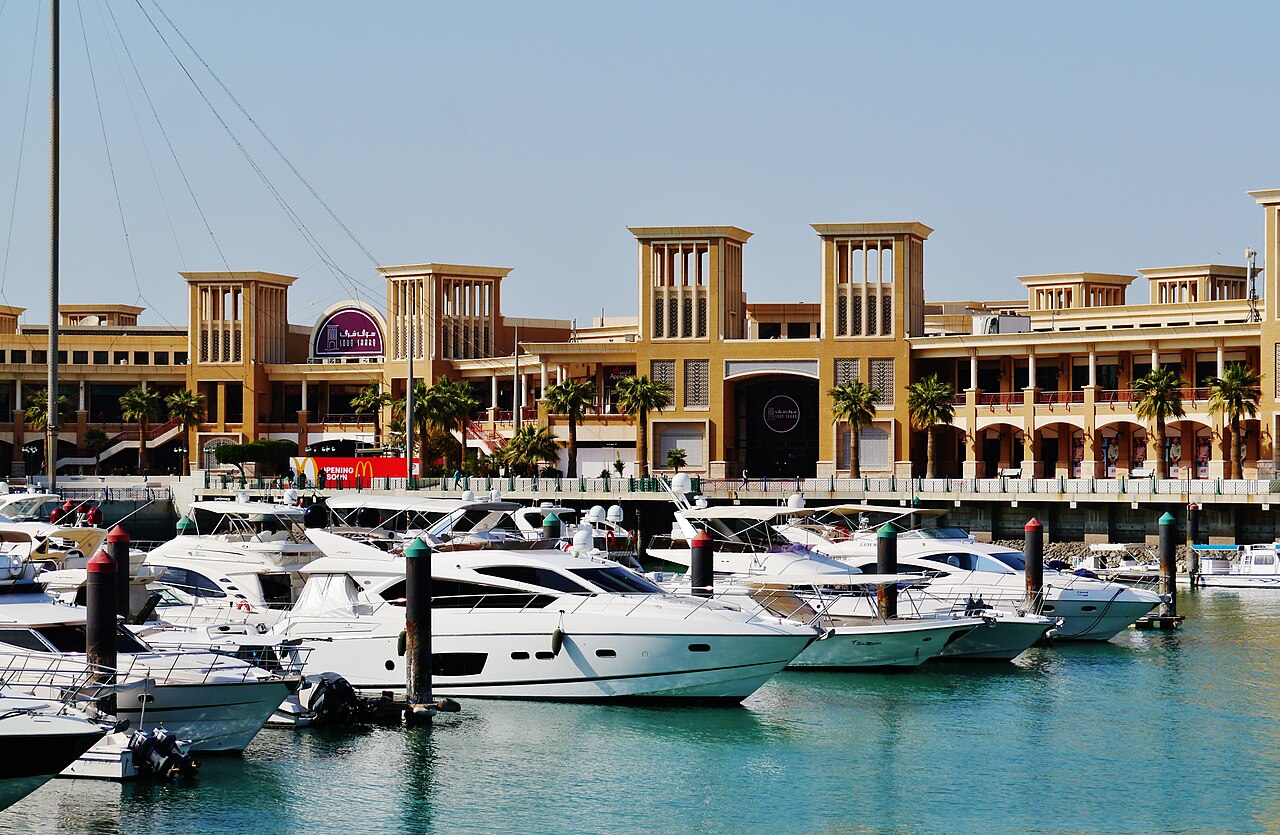
The capital serves as the primary gateway and the most accessible point for understanding the country’s rapid development. The skyline is dominated by the Kuwait Towers, which offer a visual anchor for the city.
Beyond these modern structures, the area surrounding the Souq Al-Mubarakiya provides a traditional experience, where narrow alleyways are filled with the scent of spices and incense. Spending time in the capital in March allows for leisurely walks along the corniche, where the sea meets the urban front.
It is the best base for those who wish to combine modern museum visits with the bustle of a local market environment.
2. Failaka Island
Located a short distance off the coast by boat, Failaka Island is a location of historical significance that contrasts sharply with the mainland. It is known for its archaeological layers, ranging from ancient Greek influences—attributed to the time of Alexander the Great—to more contemporary, abandoned structures that tell the story of the 20th century.
In March, the island is particularly accessible for quiet exploration of the ruins. The absence of modern urban density makes it a place to observe the natural landscape, which remains largely untouched, providing a different pace of travel compared to the mainland.
3. The Northern Desert
The northern expanses offer a perspective on the geography that defines the Arabian Peninsula. This region is a preferred destination for those interested in the traditions of the desert.
In March, the landscape often displays remnants of sparse, hardy vegetation, and the terrain is conducive to driving across the gravel plains. While the desert can be vast and intimidating, the northern zones are often frequented for their traditional camping sites.
It is a place to experience the scale of the landscape and the quiet that settles over the region once the sun begins to set.
4. Al-Jahra
Positioned toward the interior, Al-Jahra is historically significant for its role as a crossroad for trade and movement. The Al-Jahra Nature Reserve is a primary draw here, particularly in March when the migratory patterns make it a site of interest for those observing the local birdlife.
The town itself retains an older character compared to the high-rise districts of the capital. It serves as a practical stop for travellers heading further into the desert or those looking to explore the fringes of the urban sprawl where the agricultural history of the region is still visible.
5. The Scientific Centre
Situated in Salmiya, this institution provides a comprehensive view of the regional marine and desert environments. It is a significant destination for families and those interested in the natural history of the Arabian Gulf.
The aquarium sections are designed to represent local habitats, allowing for an educational experience that is difficult to replicate elsewhere. Its waterfront location means that it is an integrated part of a coastal walk.
Visiting in March allows for the enjoyment of the outdoor landscaped areas surrounding the centre, which are pleasant before the summer temperatures escalate.
6. Kuwait National Museum
This museum is essential for anyone interested in the heritage of the country. It houses extensive collections that document the transition from pearl diving and maritime trade to the modern era. The museum’s layout encourages a slow, reflective pace, which is well-suited to the moderate March climate.
It is not merely a place to view artefacts but a space to understand the social and economic shifts that have shaped the modern state. The architectural style of the building itself is worth observing, reflecting a period of mid-century development in the capital.
7. Al-Qurain Martyrs Museum
This site offers a somber and historically vital perspective on the national identity. Housed in a residential building, it serves as a memorial to the events of the early 1990s.
The site remains a point of deep significance for the local population and provides visitors with an understanding of the challenges faced in the recent past. As an indoor site, it is a comfortable visit regardless of the time of day, and it sits within a suburban area that allows for a different view of life away from the primary tourist districts of the central capital.
8. Grand Mosque of Kuwait
As the largest mosque in the country, this structure is a major example of Islamic architecture. The interior is designed with a focus on space, light, and intricate craftsmanship. The scale of the prayer hall and the design of the dome are notable features.
March provides clear, bright light through the high windows, highlighting the architectural details. Visitors should note the formal requirements for entry, which reflect the site's status as a place of active worship, making it a destination for those interested in the role of faith and art in daily life.
9. Green Island
This man-made island is an example of land reclamation and urban planning. It serves as a public space for relaxation, featuring walking paths and green spaces that are particularly welcoming in the mild weather of March. Unlike the rugged, historical appeal of Failaka, this destination is about modern leisure.
It provides an elevated view of the coastline and the city skyline from a distance. It is a suitable spot for a relaxed afternoon, offering a change of pace from the historical sites and the busy markets of the inner city.
Planning and packing for March
Kuwait is a country where having a private vehicle is the most efficient way to see sites beyond the central urban cores. While the capital has taxi services and modern infrastructure, renting a car provides the freedom to reach the northern desert and coastal zones at your own pace.
Pack light, breathable clothing for the daytime, as the sun remains strong even in March. A lightweight jacket or a jumper is essential for the evenings, which can turn chilly, especially when you are out in the desert or near the coast.
Respectful attire is standard in public spaces, so light fabrics that provide full coverage are both practical for the climate and appropriate for the cultural context.
Frequently asked questions
Is it necessary to dress modestly in Kuwait?
Yes, modesty is valued throughout the country. In public areas, it is expected that both men and women dress in a way that covers the shoulders and knees. This is a sign of respect for local customs and is particularly important when visiting religious sites or traditional markets like the souqs.
Can I swim in the sea during March?
The sea in March is generally considered brisk. While some may find it refreshing, it is not consistently warm enough for extended swimming as it would be during the peak summer months. Most travellers prefer to enjoy the coastal views and beaches for walking and relaxation rather than for water-based activities.
Is March a busy time for tourism?
March is a popular month for local outdoor events, but it is not typically overwhelmed by international tourist crowds in the way some European capitals are. You will find that sites remain accessible and generally comfortable, though popular spots like the major souqs are always lively with local shoppers and families.
How do I travel between the mainland and Failaka Island?
Travel to Failaka Island is facilitated by ferry services that operate from the mainland. It is important to confirm the current schedule and accessibility prior to planning your departure. The journey itself provides a different perspective of the coastline and the scale of the Gulf waters.
Are the desert areas safe to explore?
The desert is vast, and safety depends on your level of preparation. It is highly recommended to stay on marked tracks and to have a reliable GPS or a local guide if you are venturing deep into the northern plains. The environment can change quickly, and standard safety precautions for remote travel apply.
Is Kuwait City easy to navigate for a first-time visitor?
The city is built on a grid with wide roads, which makes driving straightforward. However, the sheer size of the urban area means that walking between distant districts is not practical. Most visitors find that using a car to travel between the major landmarks and districts is the most effective approach.
What is the currency and is cash needed?
The Kuwaiti Dinar is the currency. While many establishments in the city, including restaurants and larger shops, accept cards, having a supply of cash is necessary for smaller vendors in the traditional souqs and when visiting more remote areas or paying for certain local services.
Which is a better base: the capital or the suburbs?
The capital is better for those who want to be close to the major museums, the main souqs, and the coastal corniche. Suburbs like Salmiya are better if you prefer a mix of modern shopping, residential character, and proximity to cultural centres like the Scientific Centre.
Final thoughts
For a trip balanced between culture and history, Kuwait City is the essential base. If you have a primary interest in ancient history and archaeology, a dedicated excursion to Failaka Island provides a necessary contrast to the modern capital.
Combine the two for a comprehensive view of the country, using the capital as your anchor and setting aside a day for the islands or the northern desert to experience the full scale of the landscape.
Weather, opening times and transport details in this guide were correct as far as we could check. Always confirm directly before you travel.
Planning a March trip? The Our Hidden Earth map has 300,000+ verified hidden gems across 230 countries. Find the quiet places near wherever you are heading.
More guides to Kuwait.