
Best Places to Visit in Kiribati in March

Written by Our Hidden Earth Editorial Team
Last updated 23 October 2026
Summary: Kiribati in March offers a steady, tropical environment ideal for exploring the distinct atoll cultures of the Gilbert Islands, the expansive Kiritimati, or the quiet retreats of the Phoenix Islands. Travellers should expect humid, equatorial conditions with potential for increased rainfall, making this a period for slow-paced cultural engagement and maritime appreciation.
Our Hidden Earth maps 300,000+ verified hidden gems across 230 countries. Open the map to find the quiet places near the ones below.
Kiribati in March: at a glance
Tarawa: Choose this for an immersion into the administrative and cultural heart of the nation with its remnants of mid-century maritime history.
Kiritimati: Select this for birdwatching and large-scale lagoon exploration, appealing to those seeking vast, quiet landscapes.
Abaiang: Prioritise this atoll for a quieter experience centred on traditional village life and access to secluded, shallow coastal waters.
Tabiteuea: Visit this location to engage with some of the most preserved traditional customs and communal living arrangements within the southern Gilbert group.
Is March a good time to visit Kiribati?
March is a suitable time to visit for those who accept the inherent nature of a low-lying, equatorial island nation. The country does not experience the sharp seasonal swings found in temperate zones; instead, it operates under a persistent tropical regime.
A trip during this month suits visitors who prefer a slow pace, as movement between atolls relies on local maritime logistics that are sensitive to sea conditions. It is a time when the foliage is lush and the atmosphere remains warm.
The primary consideration is the possibility of high humidity and occasional heavy rain, which can influence the ability to travel between smaller, outer islands. Those looking for a structured, resort-based experience will find limited options, whereas those seeking a destination defined by its isolation and deep-rooted Pacific traditions will find the local environment consistent throughout this period.
Weather in Kiribati in March
The climate across the islands in March is consistently equatorial, characterised by high humidity and warm air throughout the day and night. Because the islands are spread across an immense expanse of the Pacific, local conditions can vary; however, the general pattern involves steady temperatures with no significant cooling.
March falls within a period where the convergence of tropical air masses can bring frequent, often heavy, rain showers. These downpours are typically intense but brief, though they can result in overcast skies for extended periods.
Sea temperatures remain warm year-round, which is conducive to water-based activities, provided that the swell and wind conditions remain manageable for small craft. Travellers should anticipate that the persistent heat will be tempered by trade winds, which are a defining feature of the local meteorological cycle.
Best places to visit in Kiribati in March
1. South Tarawa
As the primary hub of the nation, South Tarawa functions as a thin, densely populated string of islets connected by causeways. It provides the most accessible entry point for visitors wanting to understand the intersection of modern Kiribati governance and its traditional foundations.
The area is marked by significant sites related to the mid-century Pacific conflict, with remnants of bunkers and rusted artillery pieces often found along the shorelines. Beyond the historical narratives, the appeal here lies in the busy markets and the chance to observe the daily rhythms of I-Kiribati life in a more urbanised setting.
While the environment is industrious, the proximity to the central lagoon allows for constant engagement with the marine surroundings. It is the best location for those who require proximity to administrative resources and transport links.
2. Kiritimati
Also known as Christmas Island, this is a massive coral atoll located far to the east of the main Gilbert group. Its immense size offers a different experience compared to the narrow islets of the west.
Kiritimati is home to vast salt flats, inland lagoons, and extensive bird sanctuaries, making it a destination of interest for those concerned with remote island ecosystems. The lack of heavy development means the terrain remains largely open and stark, dominated by coconut palms and scrub vegetation.
Visitors often focus on the sheer scale of the lagoon systems and the relative silence that permeates the interior. It is a preferred destination for those seeking a sense of profound isolation and a landscape that feels removed from the typical tropical island narrative.
3. Abaiang
Located to the north of Tarawa, Abaiang offers a more relaxed, traditional pace of life. The atoll is known for its shallow, crystal-clear lagoon and long, crescent-shaped islets that remain largely undisturbed.
The local community maintains strong links to historic religious landmarks, including some of the oldest mission buildings in the region, which are constructed using traditional methods. The main draw here is the ability to navigate between small, quiet villages by boat or on foot.
The lack of infrastructure means that the experience is defined by the natural environment, particularly the calm waters that provide a window into the coral reefs. It is ideal for those who wish to step away from the bustle of the capital and observe more traditional coastal living.
4. Tabiteuea
Tabiteuea is recognised as a cultural stronghold within the southern Gilbert Islands. The name translates roughly to 'the land where there are no chiefs', reflecting a long history of independent, communal decision-making.
Visitors to this atoll can witness a highly preserved version of the maneaba system, where the community meeting house serves as the absolute centre of social, legal, and political life. The atmosphere is quiet, and the lifestyle is largely subsistence-based, relying heavily on the ocean and traditional agriculture.
For those interested in Pacific ethnography, observing the protocols and social structures within these communal spaces is the primary motivation for visiting. It is a destination that rewards patience and a respectful interest in local customary law.
5. Butaritari
Situated in the far north, Butaritari is noticeably greener and more fertile than many of the other atolls, thanks to higher rainfall patterns. The vegetation is lush, with extensive breadfruit and banana plantations providing a backdrop to the island's village life.
During the mid-century period, the atoll was a site of significant activity, and remnants of this era can still be found amongst the dense growth of the interior. The lagoon here is particularly expansive and is known for its relatively gentle conditions, which can make for more reliable boat travel compared to more exposed regions.
It is a suitable choice for those who prefer a more verdant environment and an interest in the remnants of history reclaimed by the tropical forest.
6. Maiana
Maiana is a compact atoll that presents a manageable, intimate experience for visitors. It is characterised by its long stretches of white sand beaches and a lagoon that remains shallow and sheltered.
The island is often noted for its hospitality, with a pace of life that feels intentionally slow and disconnected from the pressures of the outside world. The simplicity of the villages and the clear division between the land and the surrounding sea make it an uncomplicated choice for those interested in coastal photography or beach-combing.
Because it is relatively close to the capital yet lacks its density, it serves as a compromise for travellers who want easy access without the noise of the primary administrative centre.
7. Marakei
Marakei is distinctive for its near-circular shape and the presence of a unique inland lagoon system that is not connected to the sea in the same way as other atolls. The island is ringed by a narrow coastal road, making it one of the most accessible atolls for cycling or walking tours.
It is home to legendary sites and myths central to I-Kiribati culture, often involving the spirits and ancestral figures associated with the island’s formation. The community here is particularly focused on maintaining its oral traditions, and the local maneaba is often a site of lively discussion and ceremony.
It is the best choice for those whose primary motivation is the study of mythology and oral history within a contained, walkable geography.
8. Nonouti
As one of the earliest sites of missionary arrival in the islands, Nonouti possesses a rich historical layer that sits alongside its traditional character. The atoll is known for its wide, varied landscape, featuring a mix of productive land and sprawling reef flats.
The reef, which is vast and extends significantly from the shore, provides a dramatic perspective on the shifting tide and its importance to local survival. Life here is deeply tied to the sea, and visitors can observe techniques for fishing and reef management that have been honed over generations.
It is an excellent location for those who appreciate a destination that balances historical significance with a living, functional traditional culture that revolves entirely around maritime reliance.
9. Aranuka
Aranuka is a small, quiet atoll located between the larger landmasses of Abemama and Kuria. It is often described as one of the most serene locations in the country, with very limited visitors and an atmosphere of extreme tranquillity.
The atoll's layout creates unique internal channels and lagoon sections that are teeming with marine life, offering opportunities to observe the ecosystem at a close, personal level. The community is tight-knit, and visitors are typically welcomed with the straightforward, sincere hospitality that characterises the outer islands.
It is a destination best suited for those who are entirely self-sufficient in their interests and seek to spend their days in contemplation of the ocean and the surrounding reefs without the need for traditional sightseeing infrastructure.
10. Abemama
Abemama is often cited for its historical association with famous travel writers and maritime explorers who were drawn to its natural beauty and the openness of its inhabitants. The atoll is notable for its expansive lagoon and its long, sandy stretches that seem to disappear into the horizon.
It is a visually striking destination with a wide variety of flora, creating a colourful environment compared to the sometimes starker, coral-dominant atolls. The island's geography allows for extensive exploration of both its inner lagoon and its ocean-facing reefs.
For travellers interested in the history of 19th and 20th-century exploration in the Pacific, or for those who simply want a large, beautiful atoll with a manageable degree of local infrastructure, Abemama is a compelling choice.
Planning and packing for March
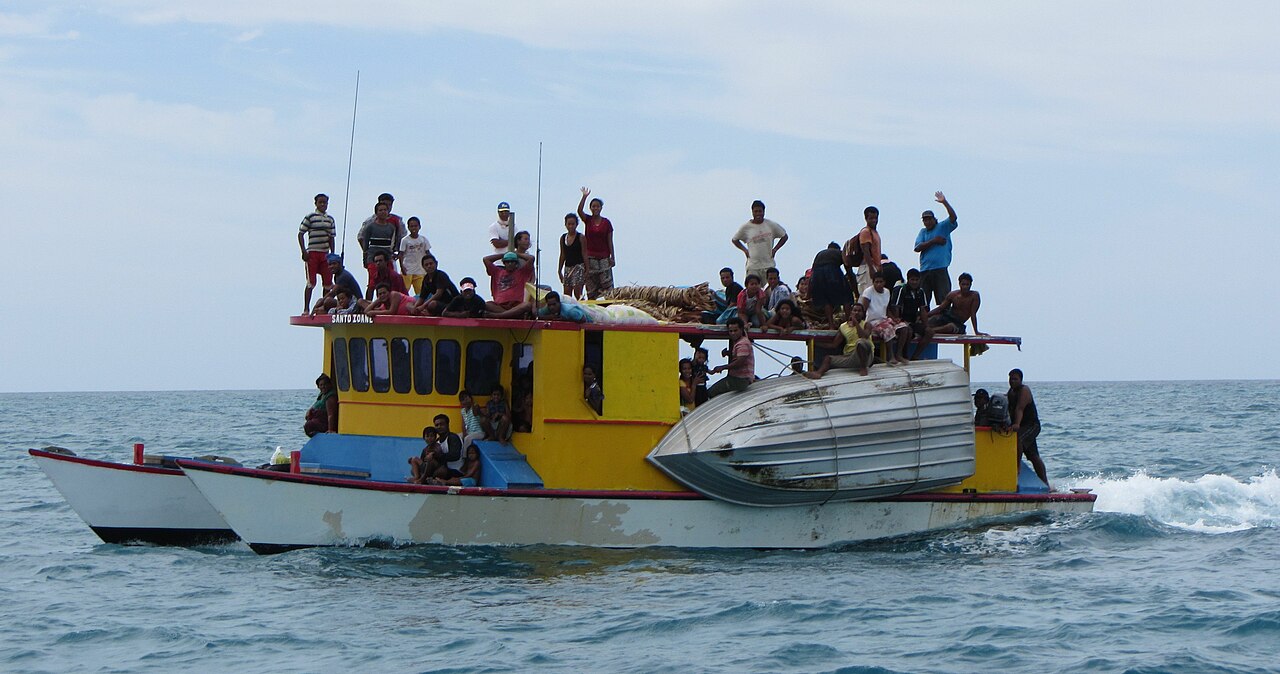
When planning a trip to Kiribati in March, the most critical element is the flexibility of your logistics. Transport between the capital and the outer atolls is primarily by small aircraft or local supply ships, both of which are susceptible to weather delays.
Expect that the pace of movement will be dictated by the local conditions rather than a rigid timetable. Pack lightweight, breathable natural fabrics, as the humidity is relentless.
Essential items include high-quality, non-greasy sunscreen, a wide-brimmed hat, and sturdy, quick-dry footwear suitable for walking on coral paths and wet sand. Given the occasional heavy rainfall, a high-quality, lightweight rain shell is more useful than a heavy jacket.
Since infrastructure is limited, carry all necessary personal items, medications, and power adapters for a Type I plug. Bringing gifts for local hosts, such as simple practical goods, is a common and appreciated gesture in many village settings.
Frequently asked questions
Is it safe to swim in the lagoons during March?
Swimming is generally safe and is a primary activity, but always observe local advice regarding currents and the health of the reef. In March, the potential for increased rain can affect water clarity, and it is vital to be aware that lagoons are often shallow and contain sharp coral that can cause injuries if one is not careful.
How do I travel between the different atolls?
Travel between the atolls is primarily achieved via domestic flights or government-operated supply vessels. These services are the lifeline of the country and are prioritised for local transit; consequently, they are subject to change based on weather, sea state, and maintenance. Always allow significant buffers in your schedule.
Are there resorts or hotels available on the outer atolls?
There are no international-style resorts on the outer atolls. Accommodation typically consists of simple guesthouses, local homestays, or staying within the village system. This requires a level of comfort with basic facilities, limited electricity, and a reliance on local, sustainable resources.
What is the best way to interact with local communities?
The most respectful way to interact is to seek guidance from local elders or village leaders upon arrival. Following local protocols, especially regarding the maneaba, is essential. Dress modestly and always ask for permission before taking photographs of people or sensitive cultural sites.
Do I need a visa to visit Kiribati?
Visa requirements for Kiribati vary depending on your nationality and the length of your stay. You should verify the current entry regulations through official government channels well in advance of your departure, as the country is quite remote and has strict requirements for international visitors.
Is the internet widely available for travellers?
Internet access is very limited and often unreliable, even on South Tarawa. On the outer atolls, it is largely non-existent. Travellers should view a trip to Kiribati as an opportunity to disconnect from digital services and prepare to be without connectivity for the duration of their stay.
What should I pack for protection against insects?
Insects, particularly mosquitoes, are common in the humid tropical environment of the islands. Pack effective, DEET-based repellent and consider bringing a lightweight, treated travel net if you plan to stay in more remote guesthouses where screens might not be fully intact or available.
Which island is best for a first-time visitor?
South Tarawa is the most logical choice for a first-time visitor. It offers the most straightforward access, provides a necessary introduction to the culture and history of the nation, and serves as the central hub for any further travel to the more remote outer atolls.
Final thoughts
For those prioritising cultural immersion and the quiet rhythms of traditional Pacific life, Tabiteuea offers a depth of experience that is rare to find. However, for most travellers, South Tarawa provides the most realistic entry point, serving as a functional, if busy, introduction to the country.
Choose Tabiteuea if you are seeking a profound, slow-paced exploration of customary law and community life; choose South Tarawa if your priority is accessing the islands with as much logistical ease as the geography allows.
Weather, opening times and transport details in this guide were correct as far as we could check. Always confirm directly before you travel.
Planning a March trip? The Our Hidden Earth map has 300,000+ verified hidden gems across 230 countries. Find the quiet places near wherever you are heading.
More guides to Kiribati.