
One Week in Italy in March: Itinerary Options for Different Travel Styles

Written by Our Hidden Earth Editorial Team
Last updated 23 October 2026
Summary: March in Italy offers a transition from winter to spring, ideal for travellers balancing city culture with early-season exploration. Choose a rail-focused trip through central historic cities, or a road-trip approach to explore the rural landscapes of Tuscany or the coastal roads of the Tyrrhenian regions.
Our Hidden Earth maps 300,000+ verified hidden gems across 230 countries. Open the map to find the quiet places near the ones below.
Italy in March: at a glance
Central cities like Florence and Rome are well-served by trains, removing the need for a car.
Rural regions such as Tuscany or the hills of Basilicata are best explored with a rented car.
March weather is variable, meaning layered clothing is essential for both chilly mornings and mild afternoons.
Early spring brings fewer visitors to major sites, providing a quieter pace for museum and gallery visits.
Why take this trip in March?
March marks the beginning of Italy's shift toward warmer weather, making it an excellent time to visit before the heat of summer and the peak of international travel arrive. The landscape in central and southern Italy begins to turn green, and the light is often clear, benefiting photography and outdoor exploration.
While you may encounter rain, it is rarely persistent enough to disrupt plans for more than a few hours. The main advantage of this month is the ability to walk through city piazzas, visit ancient ruins, and explore village squares without the dense crowds that define mid-summer.
However, travellers should be aware that high-altitude mountain passes and certain northern rural trails may still be affected by snow or restricted access, making it a better time for lowland urban and countryside trips than for high-elevation trekking.
Choosing your route and travel style
Travellers in Italy generally choose between two primary styles: the high-speed rail network or the freedom of a personal vehicle. For those focused on art, history, and urban atmosphere, a rail-based itinerary connecting major cities such as Rome, Florence, and Bologna is highly efficient.
This method eliminates the stress of navigating restricted traffic zones in historic centres and avoids parking complications. Alternatively, those wishing to explore the rolling hills of Tuscany, the vineyards of Umbria, or the cliffside villages of the Mediterranean coast will find a car indispensable.
Rural transport options can be infrequent, and a car provides the flexibility to reach smaller, less accessible locations at your own pace. If your goal is a mix, consider spending the first half of your week in a city served by rail, then renting a car for a three-day exploration of a specific rural province.
A seven-day Italy itinerary in March
Day 1: Arrival in Rome
Begin your week in Rome, where the city’s ancient monuments benefit from the milder March air. Spend your first day walking through the heart of the historic centre, starting at the Pantheon and continuing to the nearby Piazza Navona.
Even if the day is cool, the city remains lively, and the lack of summer queues allows for a more relaxed pace when visiting open-air sites. Stay centrally to ensure you can reach major locations on foot.
Day 2: Ancient history in the capital
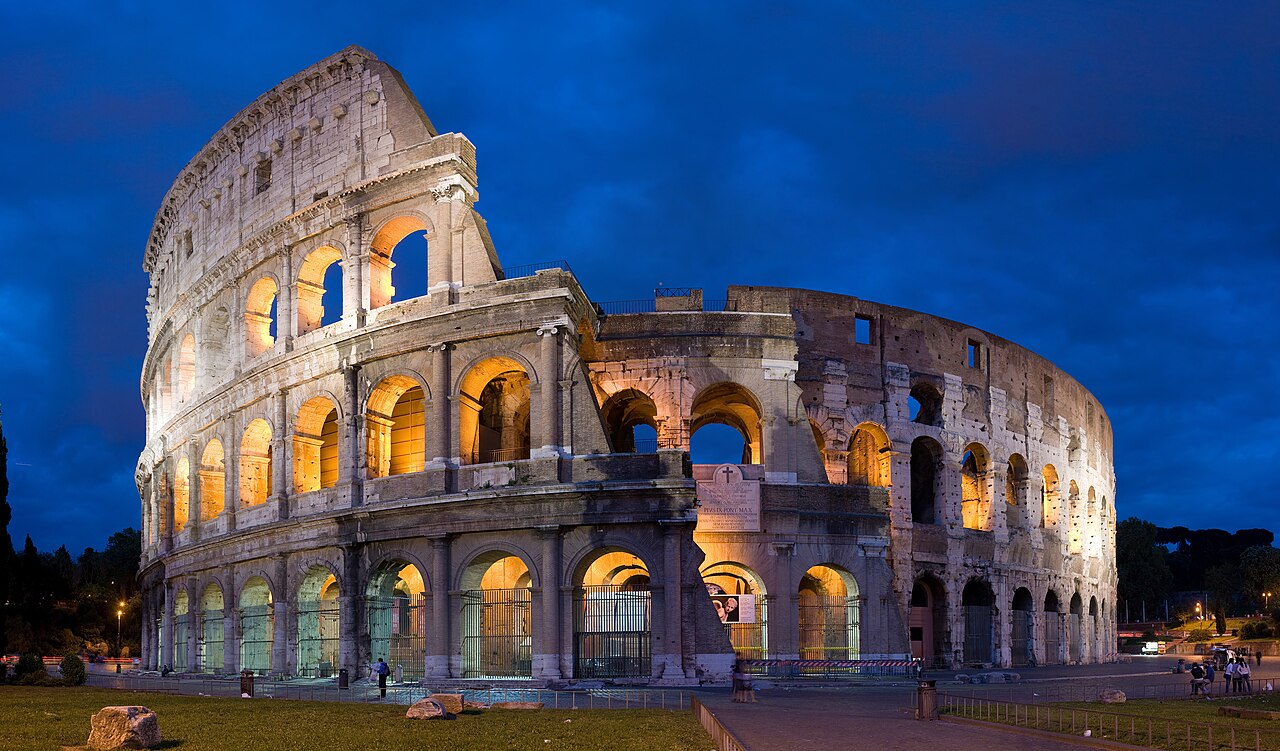
Devote your second day to the Colosseum and the Roman Forum. In March, the site is often less crowded, allowing for a more thorough exploration of the ruins. Wear comfortable, sturdy shoes, as you will cover significant ground on uneven stone paths.
In the afternoon, cross the river into Trastevere to experience the local pace of life in a neighbourhood known for its traditional trattorias.
Day 3: Travel north to Florence
Board a high-speed train for the journey to Florence. The travel time is minimal, dropping you in the city centre within a few hours. Upon arrival, walk to the Piazza del Duomo to take in the architecture of the cathedral and its famous dome.
Spend the remainder of the day navigating the city’s narrow, medieval streets, which are well-suited to pedestrians and offer a range of galleries and artisan workshops.
Day 4: Art and panoramas in Florence
Dedicate this day to the Uffizi Gallery or the Accademia. Because you are visiting in March, you may find that securing entry is more straightforward than during the busier months, though booking ahead remains wise.
In the late afternoon, head to Piazzale Michelangelo for a panoramic view of the city as the sun begins to dip. The clear, crisp light of late winter often provides excellent visibility over the terracotta rooftops.
Day 5: Heading into the Tuscan countryside
Pick up a rental car this morning and drive south into the heart of Tuscany. Focus your route toward the Val d'Orcia, a region known for its rolling hills and iconic cypress-lined roads. Without the summer heat, the landscape is exceptionally verdant.
Stop in towns like Pienza or San Quirico d'Orcia, where you can sample local sheep’s milk cheese and enjoy the quiet rural atmosphere.
Day 6: Exploring hilltop villages
Spend the day travelling between the small villages that define this region. Use your car to navigate the secondary roads that connect places like Montepulciano and Montalcino. These towns are built on ridges, offering expansive views of the surrounding valley.
In March, these villages are often sleepy and authentic, providing a stark contrast to the busy streets of Rome and Florence. Enjoy long, slow lunches featuring local wine and seasonal produce.
Day 7: Return and departure
Make your way back toward a major airport, such as Rome or Florence, to drop off your vehicle. If your flight is late in the day, consider a final stop in a town like Orvieto, which sits perched atop a dramatic volcanic cliff.
Its cathedral is a significant work of Gothic architecture, and the town provides a final opportunity to enjoy an Italian coffee in a quiet square before your journey home.
Transport, packing and practical choices
When planning your trip, remember that Italy’s rail system is the most reliable way to traverse the country’s major cities. However, the convenience of the train ends once you enter rural areas where stations are often distant from village centres.
If you rent a car, ensure you are comfortable with narrow, winding roads and familiarise yourself with the ZTL (Zona a Traffico Limitato) signs, which prohibit unauthorised vehicles from entering historic city centres. Packing for March requires a versatile approach.
You will need a windproof jacket for cooler evenings and perhaps a light waterproof shell for occasional rain. Layering is key, as indoor spaces are often well-heated while outdoor temperatures remain brisk. Comfortable, water-resistant walking shoes are essential for both city cobblestones and rural paths.
Frequently asked questions
Is March considered the low season in Italy?
March is a shoulder-season period. While not as quiet as mid-winter, it avoids the high-volume tourism of summer. Major cities see a steady flow of visitors, but queues for museums and popular sites are generally manageable.
You will find it easier to find accommodation and restaurant availability compared to the busy months of June through August.
What is the weather like in Italy in March?
The weather is characterized by transition. You can expect mild days, particularly in the south and central regions, but temperatures drop significantly once the sun goes down. Rain is possible throughout the country.
It is essentially a month of mixed conditions, requiring both light layers for the sun and heavier coats for the evening.
Are museums open during March?
Yes, major national museums and historic monuments remain open throughout the year. While some smaller, private sites in rural areas might operate on reduced schedules during the quieter months, the primary cultural attractions in Rome, Florence, and other major cities function as normal, providing a consistent experience for visitors regardless of the date.
Should I rent a car for this itinerary?
A car is highly recommended for the countryside portion of this trip, specifically when visiting Tuscany or rural areas where public transport is sparse. For the city portions of the trip, however, a car is a burden due to traffic restrictions and parking difficulties; rely on the train and walking instead.
Do I need to book my museum tickets in advance?
Even in the shoulder season, it is recommended to book tickets for high-demand sites like the Uffizi Gallery or the Colosseum. While the crowds are smaller than in summer, these institutions remain popular, and securing a timed entry slot will ensure you do not waste time waiting in long queues upon arrival.
Is it warm enough to swim in the sea in March?
The Mediterranean Sea remains too cold for swimming in March. While coastal towns offer pleasant walking weather and scenic views of the water, the air and water temperatures are not conducive to beach activities.
Travellers should view coastal trips as opportunities for walking and sightseeing rather than sunbathing or swimming.
Are mountain roads open in March?
Some high-altitude roads in the Alps or the Apennines may still face seasonal closures or require specific equipment if there has been late snowfall. If your travel plans include high-elevation areas, check local road reports before departing, as conditions can change rapidly and are not guaranteed to be clear until later in the spring.
What is the best way to get between Rome and Florence?
The most efficient way to travel between these cities is by high-speed train. The journey is direct, frequent, and delivers you to the heart of each city. The convenience of high-speed rail means you can avoid the complexities of driving between urban centres, making it the preferred choice for city-to-city travel.
Final thoughts
For those prioritising cultural exploration, combine the historical density of Rome and Florence using Italy’s efficient rail network. If you prefer a slower pace and the ability to explore rural landscapes at your own leisure, renting a car to tour the Tuscan countryside offers a rewarding, peaceful experience in the early spring.
Weather, opening times and transport details in this guide were correct as far as we could check. Always confirm directly before you travel.
Planning a March trip? The Our Hidden Earth map has 300,000+ verified hidden gems across 230 countries. Find the quiet places near wherever you are heading.
Related Guides
More guides to Italy.