
Family Holidays in Italy in March: Cities, Countryside and Practical Tips

Written by Our Hidden Earth Editorial Team
Last updated 23 October 2026
Summary: March offers families a transition between seasons in Italy, ideal for exploring urban history or coastal walking paths before the summer crowds arrive. Focus on cities like Rome or Florence for indoor cultural depth, or choose the mild Ligurian coast for early spring outdoor adventures away from the heat.
Our Hidden Earth maps 300,000+ verified hidden gems across 230 countries. Open the map to find the quiet places near the ones below.
Italy in March: at a glance
Urban centres provide the most consistent access to museums and historic sites regardless of variable weather.
The southern regions and the islands offer a better chance of milder days for outdoor activities like hiking.
Avoid high-elevation mountain resorts for family skiing as conditions become inconsistent toward the end of the month.
Public transport remains the most reliable way to navigate between major hubs, especially for families with younger children.
How to choose a family trip in March
Selecting a family destination in March requires a balance between indoor accessibility and outdoor potential. You should consider the age of your children and your tolerance for unpredictable spring weather.
In major cities, an overcast day simply means prioritizing art galleries or indoor markets, whereas in the countryside, such weather might limit your ability to traverse trails or cycle rural lanes. Italy’s rail network is highly effective for family travel, allowing you to link large, resource-rich cities with smaller, more manageable towns.
When planning, prioritise destinations where infrastructure—such as museums, public squares and cafes—is designed to accommodate both activity and rest. Remember that regional differences are significant: the northern lakes and mountain foothills remain cool and occasionally damp, while the coastal regions of the south and the central plains typically offer a more temperate environment for walking and open-air exploration.
Eight family-friendly destinations for March
1. Rome: The open-air classroom
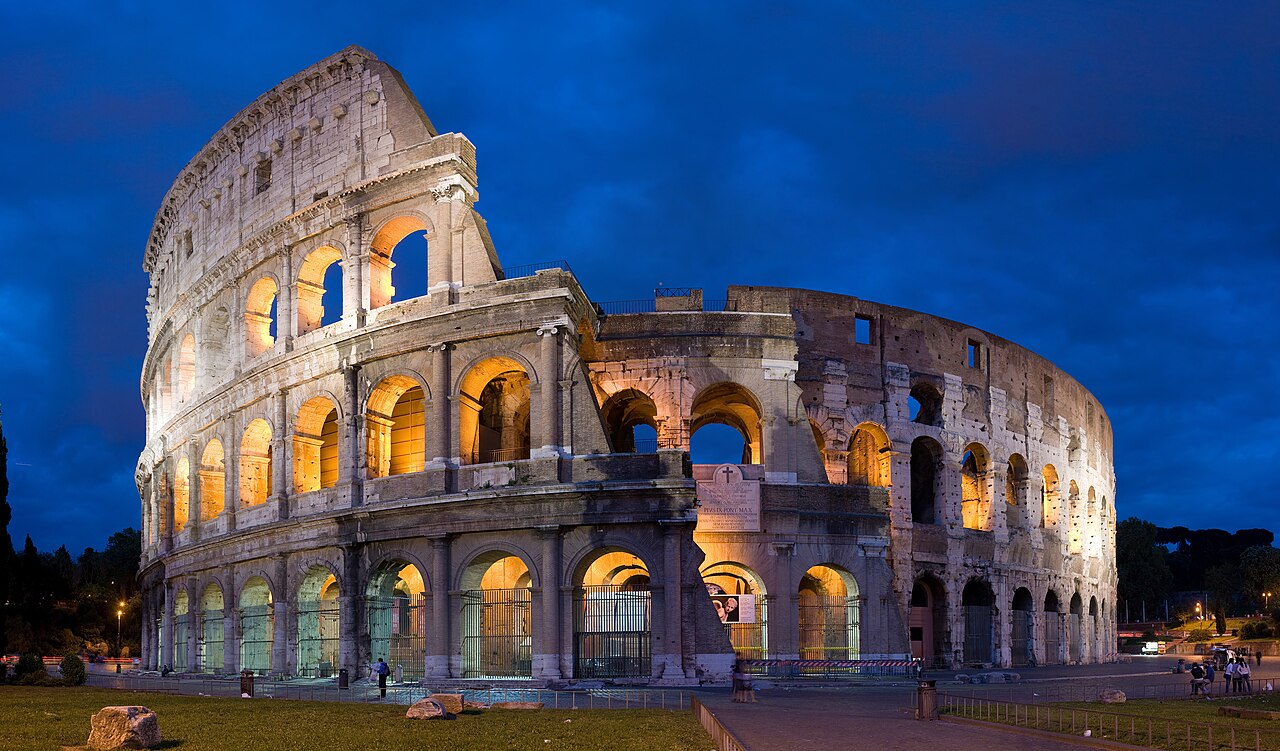
Rome is an exceptional choice for families in March, as the city remains busy but lacks the intense heat and density of midsummer. Children can explore the Colosseum and the Roman Forum without the exhaustion of high temperatures.
The city’s numerous parks, such as Villa Borghese, offer space for children to run while parents enjoy the surrounding architecture. March is a prime time to visit the Vatican Museums or the Capitoline Museums, where the indoor climate provides a comfortable retreat.
You can focus your stay in the central districts to minimize travel, using the metro for longer distances. The abundance of pizzerias and gelaterias makes dining straightforward, even with selective eaters.
2. Florence: Art and urban discovery
Florence is highly walkable, making it a stress-free base for families who wish to avoid constant reliance on buses or trains. You can spend the morning observing the intricate details of the Duomo or visiting the interactive displays at the Leonardo da Vinci Interactive Museum, which often holds great appeal for younger visitors.
In March, the Boboli Gardens begin their spring cycle, providing a green refuge near the Pitti Palace. The city's compact nature means you are never far from a place to rest or grab a snack, reducing the fatigue that often accompanies family sightseeing.
It serves as an excellent educational hub for school-aged children interested in history and art.
3. The Cinque Terre: Coastal walking
For families who enjoy being active, the walking paths connecting the five villages of the Ligurian coast are inviting in March. While the sea may be too cool for swimming, the trails are free from the midsummer humidity, making them more comfortable for younger hikers.
You can use the local train that stops at each village, allowing you to shorten walks if little legs grow tired. The villages, such as Monterosso al Mare or Vernazza, feature colourful harbours and narrow alleys perfect for exploration.
Ensure you check local trail conditions before setting out, as some paths can be affected by winter rain.
4. Naples: A sensory introduction
Naples offers a lively and often overwhelming experience that older children and teenagers may find fascinating. From the subterranean ruins of Napoli Sotterranea to the expansive views from the Castel Sant'Elmo, the city provides a rugged, authentic Italian experience.
March is ideal for walking the long waterfront promenade of Via Caracciolo without the oppressive sun. You are also within reach of Pompeii and Herculaneum, which are far more manageable in the cool air of early spring.
The city's food culture, particularly its world-famous pizza, remains an accessible and affordable highlight for family meals.
5. Lucca: The walled cycling city
Lucca is arguably one of the most family-friendly cities in Italy due to its intact, wide medieval walls that have been converted into a park. You can rent bicycles for the entire family and ride the entire perimeter of the city, which is safe from road traffic.
Inside the walls, the centre is largely pedestrianized and flat, making it ideal for parents with strollers or younger children. It is a relaxed, slower-paced alternative to the major tourist hubs, allowing families to settle into a rhythm of café visits, local markets and leisurely exploration without the pressure to complete a long list of landmarks.
6. Bologna: The culinary centre
Bologna is perfect for families who enjoy a food-focused trip. The city is famous for its long porticos, which provide sheltered walkways throughout the centre, making it a great destination if you encounter a rainy day in March.
For children, the FICO Eataly World provides an expansive look at food production, while the older streets and the climbing of the Asinelli Tower offer enough physical activity to burn off energy. The local pasta traditions are generally a hit with children, and the city’s university atmosphere keeps the streets feeling lively and safe at all hours.
7. Palermo: Sicilian history and energy
Palermo offers a unique blend of cultures that is distinct from the mainland. The city’s busy markets, such as Ballarò, are a sensory introduction to Sicilian life. For families, the city provides a mix of ornate churches and large, open squares.
March is mild, allowing for comfortable visits to the regional archaeological museums. The proximity to Mondello beach allows for seaside walks and fresh air, even if swimming is not the priority.
It is a destination for families who prefer a city that feels untamed and rich with stories, rather than one polished for mass tourism.
8. Lake Garda: The southern shores
Focusing on the southern end of Lake Garda, such as the town of Sirmione, provides a blend of history and water-based fun. Even in March, the lakeside paths are lovely for family walks.
The Scaligero Castle offers a dramatic and accessible fort to explore, and the thermal baths are a great way to relax after a day of travel. Because this region is well-developed for tourism, you will find plenty of facilities tailored to family needs, including large parks and playgrounds that might not be as prevalent in the dense urban centres of central Italy.
Planning your March family trip
For a successful trip, focus on pairing one major city with a smaller, more relaxed base. A classic combination for a week-long trip is pairing Rome with a nearby hillside town, or Florence with a stay in Lucca.
This allows you to experience the museums and energy of the city while providing a calmer environment for children to recharge. When travelling without a car, stick to the primary rail lines, which connect all the featured cities in this guide with minimal effort.
In March, pack in layers; while days can be pleasant and sunny, evenings and mornings can feel quite brisk, particularly in the north or near the water. Ensure everyone has comfortable walking shoes, as Italian stone streets and narrow alleys are unforgiving.
Focus on booking accommodation near city centres to allow for easy returns to your room if midday naps or breaks are required.
Frequently asked questions
Is March too cold for a family holiday in Italy?
March is generally mild in the south and central regions, but it is not a summer month. You will encounter cool mornings and evenings. By packing layers and choosing indoor-focused destinations like museums and galleries, you can have a comfortable, active holiday regardless of any fluctuations in temperature.
Can we swim in the sea in Italy in March?
The water temperature in the Mediterranean remains quite cold during March. While the coastal air can be lovely for walking or playing on the sand, most visitors find the sea too chilly for swimming. It is better to treat the coast as an outdoor activity base rather than a beach destination.
Are museums and monuments open in March?
Yes, all major museums, archaeological sites and monuments remain open throughout the year. March is not a traditional closure period for Italian tourism.
In fact, it is often a great time to visit popular sites, as you will find fewer people compared to the peak summer months, making the experience better for families.
Should we rent a car for a family trip?
If you stay in cities, a car is usually a hindrance due to parking restrictions and restricted traffic zones. Rail travel is significantly easier and more stress-free for families. Only consider a rental car if you plan to explore the deep countryside or rural regions where public transport options are less frequent.
How does the weather vary between North and South?
The north, including the lakes and mountain foothills, stays cooler and more prone to overcast weather in March. The south and the islands tend to be warmer and drier, offering more opportunities for outdoor activities. If you want the best chance of spring sunshine, focus your trip on the southern half of the country.
Are restaurants family-friendly in March?
Italian dining culture is very welcoming to children. Restaurants are generally comfortable with families, and you will find that most places offer simple, fresh pasta or pizza that appeals to children.
Because March is not the height of the season, you will also find it slightly easier to secure tables without lengthy waits.
How much walking should we expect?
Italy is a country best explored on foot. Even in cities with good public transport, you will find yourself walking between landmarks and through city centres.
Ensure that any strollers you bring are sturdy enough for cobblestones, and encourage children to wear comfortable, broken-in shoes to handle the daily distances.
Is it better to stay in one base or move around?
For families, staying in two bases over the course of a week is usually superior to moving every day. This minimizes the logistical stress of checking in and out, allowing you to settle into a neighbourhood and feel more at home. One base should be an urban centre, the other a smaller town or village.
Final thoughts
For families prioritizing ease of travel and cultural engagement, a base in Rome or Florence is the best choice for a March trip. If you prefer a more active, outdoors-oriented holiday, consider the Ligurian coast or the area around Lake Garda, where the arrival of spring makes walking and exploration particularly enjoyable before the summer crowds arrive.
Weather, opening times and transport details in this guide were correct as far as we could check. Always confirm directly before you travel.
Planning a March trip? The Our Hidden Earth map has 300,000+ verified hidden gems across 230 countries. Find the quiet places near wherever you are heading.
Related Guides
Italy in March by Train: Cities and Regional Routes to Consider
Italian Coastal Towns in March: Where to Go Beyond Beach Season
More guides to Italy.