
Best Places to Visit in Bahrain in March

Written by Our Hidden Earth Editorial Team
Last updated 23 October 2026
Summary: Bahrain in March offers a favourable window for exploring the Qal’at al-Bahrain archaeological site, the traditional markets of Manama, and the quiet desert landscapes of the Sakhir region. This month provides comfortable outdoor conditions before the onset of the intense summer heat, making it an ideal period for walking tours and cultural excursions.
Our Hidden Earth maps 300,000+ verified hidden gems across 230 countries. Open the map to find the quiet places near the ones below.
Bahrain in March: at a glance
Manama: Experience the convergence of historic alleyways and modern skyline views in the capital's central districts.
Qal’at al-Bahrain: Explore the expansive archaeological remains of the Dilmun civilisation, now accessible without the pressure of extreme midday temperatures.
Muharraq: Walk the Pearling Path to observe the architectural heritage and restored dwellings that defined the island's historical prosperity.
Sakhir: Venture into the central desert region to witness the stark contrast between the arid terrain and the Tree of Life.
Is March a good time to visit Bahrain?
March is arguably the most suitable time for those who wish to move between indoor sites and outdoor heritage landmarks without the physiological toll of extreme heat. The country is small and largely urbanised, meaning that most travel involves short transits between coastal districts.
For visitors interested in history, architecture, and local commerce, the month provides a steady, manageable environment. The primary limitation is the lack of shade in open-air ruins; while the air is pleasant, the sun remains steady throughout the day, necessitating a cautious approach to midday activities.
Weather in Bahrain in March
The weather in March is defined by a transition from the mild, occasionally breezy conditions of winter towards the early stages of the warmer season. Humidity levels are generally moderate, avoiding the oppressive thickness that characterises the late summer months.
Sea temperatures are warming, though they remain brisk for extended swimming, which may influence those primarily seeking a beach-focused stay. Coastal areas often benefit from sea breezes that temper the midday warmth, while inland desert regions can experience sharper temperature fluctuations between the daytime sun and the cool evening air.
Best places to visit in Bahrain in March
1. Manama
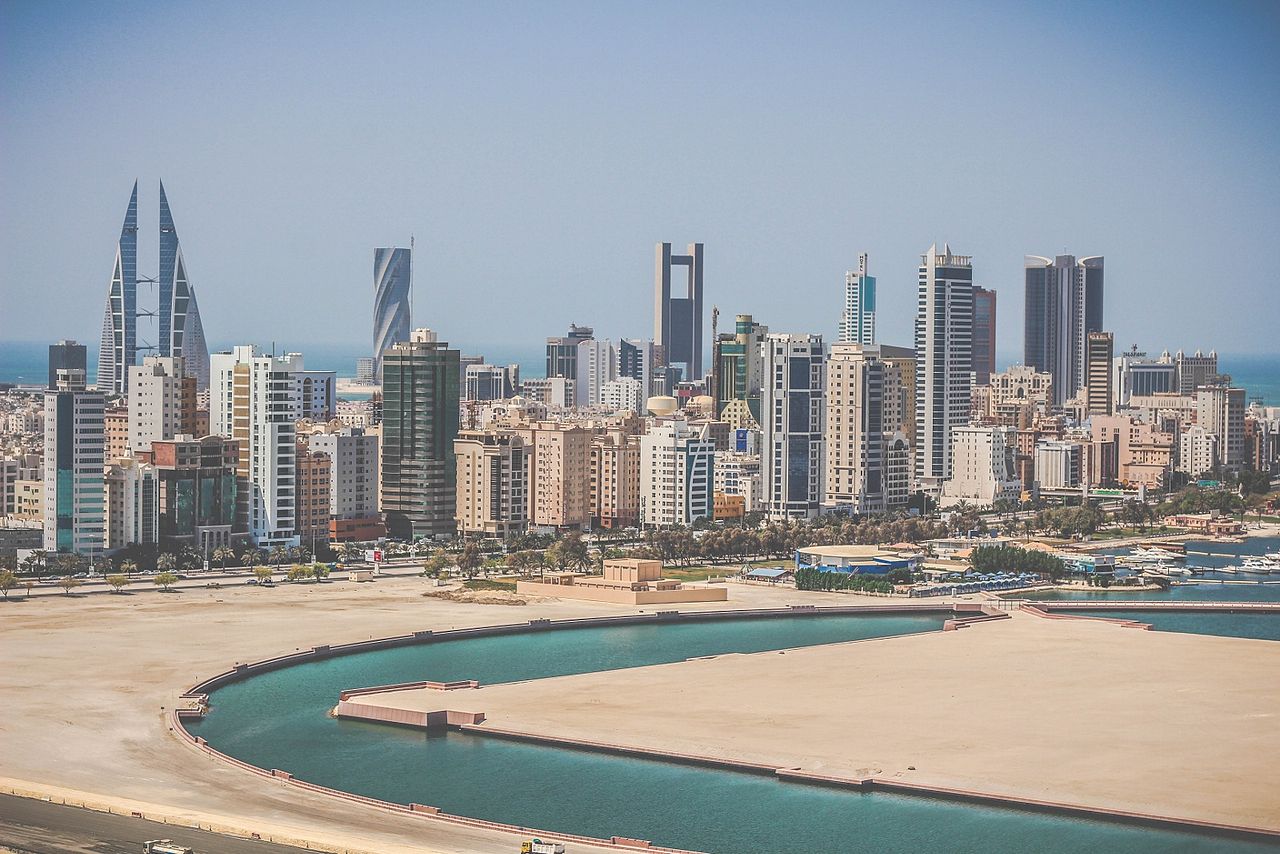
As the administrative and commercial heart of the country, Manama serves as the most logical base for visitors. The city is defined by a blend of contemporary glass-fronted architecture and the traditional Manama Souq.
In March, the lanes of the souq are particularly well-suited for exploration on foot, where visitors can move between spice merchants, gold sellers, and traditional coffee houses. The city’s National Museum stands as an essential stop, offering a curated perspective on the archipelago's history, from its early seafaring roots to the later pearling industry.
Staying in Manama allows for proximity to the coastline while remaining within easy reach of the major inland heritage sites.
2. Qal’at al-Bahrain
Located on the northern coast, this UNESCO World Heritage site constitutes the remains of the capital of the ancient Dilmun civilisation. The site comprises a substantial tell—an artificial mound created by centuries of layered settlements—topped by a Portuguese fort.
March provides the necessary conditions to walk the entirety of the mound, where the exposed stone walls and structural foundations are laid bare against the backdrop of the sea. The adjacent museum provides important context, displaying artefacts recovered from the site that illustrate the region’s long history as a trade hub between distant civilisations.
3. Muharraq
Situated on a separate island connected to the capital by causeways, Muharraq was the country’s capital until the early twentieth century. It is the site of the Pearling Path, a series of restored houses and public spaces that trace the industry that once fuelled the island's economy.
The architecture here differs significantly from the modern towers of Manama, featuring traditional wind towers and intricate gypsum carvings. Walking the winding streets requires no fixed route, as the appeal lies in stumbling upon restored courtyards and community squares that feel distant from the bustle of the modern capital.
4. The Tree of Life
Standing alone in the heart of the desert, this lone mesquite tree is a notable natural curiosity due to its endurance in a waterless environment. It has become a focal point for those looking to experience the starker, more desolate side of the island.
March is a quiet time to visit this landmark, as the lack of extreme heat allows for a more relaxed experience of the surrounding dunes. It is a short visit, often best paired with a wider exploration of the southern desert plains or a trip toward the southern coast, and is best appreciated for the contrast it provides against the urbanised north.
5. Al Areen Wildlife Park
This protected area in the south of the country acts as a sanctuary for indigenous species, including the Arabian oryx and gazelle. It is a managed space, designed to showcase the flora and fauna that once occupied the interior of the islands.
March allows for longer periods of time spent within the park's grounds, as the weather permits walking through the various aviaries and enclosures. It is a recommended choice for families or those who want to see how the natural landscape of Bahrain is preserved, serving as a tranquil counterpoint to the busy city districts.
6. The Royal Camel Farm
Maintained as a private facility, the camel farm in Janabiya provides an accessible opportunity to observe a large number of camels in a single location. The site is informal, and visitors can walk near the enclosures to see the animals up close.
March is an appropriate time for this visit because the animals are less likely to be stressed by intense heat, resulting in a more predictable environment for observers. While it is not a large-scale destination, it offers a specific glimpse into a significant element of local heritage and the traditional importance of these animals to regional culture.
7. Bab Al Bahrain
More than just a historic entrance, the Bab Al Bahrain gate marks the symbolic gateway to the city’s historic central market district. The building itself is an architectural landmark, reflecting a style that incorporates elements of both local tradition and colonial influence.
The surrounding plaza is a hub of activity, particularly in the evenings during the cooler days of March, when the area becomes a focal point for local life. It is the most convenient starting point for any exploration of the city, serving as the bridge between the contemporary commercial centre and the traditional traders' quarters.
8. Arad Fort
This fifteenth-century defensive structure, situated on the island of Muharraq, is notable for its position near the sea and its restored stone walls. Its design is typical of the defensive fortifications found throughout the region, focusing on thick perimeter walls and corner towers.
During March, the area around the fort is often used for coastal walks, and the structure itself is lit in the evenings, offering a view of the traditional stone masonry. The fort is best visited to understand the strategic importance of the northern coastline and the historical efforts to protect the islands from sea-borne threats.
9. Hawar Islands
This archipelago, located off the western coast of the Qatar peninsula but under Bahraini sovereignty, represents the most remote natural escape available from the main island. Known for their biodiversity and undisturbed coastlines, the islands offer a different perspective on the geography of the Persian Gulf.
March is a favourable time for a boat-based excursion to these waters, as the weather is stable enough to allow for travel across the channel. The islands are primarily visited for the landscape and the observation of maritime birdlife, making them a choice for those seeking to leave the urban sprawl behind.
10. Sheikh Isa bin Ali House
Located within the historical heart of Muharraq, this former residence of the ruler of Bahrain is an exemplar of local domestic architecture. It is structured around a series of internal courtyards that manage airflow and provide privacy.
The house is decorated with ornate wood carvings and traditional patterns that reflect the social status of the building's previous inhabitants. March provides the best conditions to appreciate the interior design and the shaded, cool corridors of the house.
It is an essential visit for anyone looking to understand the traditional living arrangements and craftsmanship of the islands before the onset of rapid urbanisation.
Planning and packing for March
The primary base for any trip should be Manama, as it provides the most direct access to the bridges connecting the various islands. The country is small enough that day trips to sites like the Tree of Life or the northern forts are easily managed from a single central location.
Regarding attire, maintain a balance between comfort and respect for local norms. Lightweight, breathable fabrics are essential for the daytime, but have a light layer—such as a jacket or a cardigan—for the evenings when the temperature can drop noticeably.
Comfortable walking shoes are vital for exploring the historic districts and archaeological ruins, where ground surfaces are often uneven. Sun protection, including hats and high-factor cream, is necessary even in March, as the sun remains strong regardless of the temperate air.
Frequently asked questions
Is it possible to swim in the sea in March?
Sea temperatures in March are generally cool. While some visitors find the water tolerable for a short dip, it is not a peak month for extended swimming. If your trip is built primarily around beach activities, you may find the air conditions more suitable for lounging than the water is for prolonged immersion.
How do I travel between the different islands?
The main islands of Bahrain are connected by modern causeways and bridges, making travel by car or taxi the most efficient method. There is no rail system, and public bus networks primarily serve the urban centres, so most visitors rely on private hire vehicles to reach more remote sites like the southern desert or heritage forts.
Are the historical sites crowded in March?
Because Bahrain does not experience the extreme seasonal tourism peaks seen in some other regional destinations, the main heritage sites remain relatively quiet. Even in March, you are unlikely to encounter significant queues, though it is prudent to arrive early in the day to enjoy the most popular archaeological zones in peace.
Is Arabic the only language used?
While Arabic is the official language, English is widely spoken and understood throughout the hospitality and service sectors. You will find that signage in museums, major hotels, and public transport hubs is typically provided in both languages, making navigation straightforward for international visitors.
Should I rent a car to see the country?
Renting a car offers the greatest degree of flexibility, especially if you intend to visit the Tree of Life or the southern coastal areas. If your stay is confined to Manama and Muharraq, local taxis and ride-hailing services are plentiful, reliable, and more than sufficient for short distances between sites.
What is the best way to dress for cultural sites?
When visiting mosques or traditional heritage houses, it is respectful to dress modestly, covering the shoulders and knees. While the country is generally cosmopolitan, maintaining a conservative approach in public areas and historical districts is expected and appreciated by the local population.
Are all the archaeological sites open in March?
Major sites like the Qal’at al-Bahrain and the Pearling Path are accessible, but it is always sensible to verify current status for specific buildings or museums before setting out. These sites operate on consistent schedules, and the temperate conditions in March ensure that all outdoor areas remain fully explorable throughout the month.
Is a week enough to see the highlights of Bahrain?
A week is a generous amount of time to experience the archipelago. It allows you to explore the capital, visit the historical sites in Muharraq, dedicate time to the desert landmarks in the south, and still have days remaining for relaxed city exploration without feeling rushed.
Final thoughts
For a trip focused on history and architecture, prioritize a stay that balances the intensity of Manama’s markets with the quiet, structural history of Muharraq. If you prefer a faster pace, focus on the capital's heritage museums and the proximity to the northern archaeological ruins.
Choosing between these allows you to tailor the experience to whether you value deep-dive historic immersion or a more varied city-based holiday.
Weather, opening times and transport details in this guide were correct as far as we could check. Always confirm directly before you travel.
Planning a March trip? The Our Hidden Earth map has 300,000+ verified hidden gems across 230 countries. Find the quiet places near wherever you are heading.
More guides to Bahrain.