
Best Places to Visit in Argentina in March

Written by Our Hidden Earth Editorial Team
Last updated 23 October 2026
Summary: Argentina in March rewards travellers seeking moderate temperatures across its vast geography, from the vineyards of Mendoza to the mountain trails of Patagonia. This transition month offers access to high-altitude regions and southern landscapes before the winter closures commence, ensuring a stable environment for exploration throughout the country.
Our Hidden Earth maps 300,000+ verified hidden gems across 230 countries. Open the map to find the quiet places near the ones below.
Argentina in March: at a glance
Buenos Aires: Ideal for urban exploration and culture, as the city sheds the peak intensity of summer heat.
Mendoza: Perfect for those interested in wine harvests and mountain vistas during a period of steady, dry weather.
El Chaltén: A top choice for hikers who benefit from clear skies and the tail end of the reliable trekking season.
Iguazú Falls: Best suited for visitors focused on tropical landscapes, as the humidity begins a gradual, welcome decline.
Is March a good time to visit Argentina?
March is arguably the most versatile month for visiting Argentina. It serves as a transition from the heavy summer tourism period to the quieter autumn season, allowing for easier access to popular landmarks.
The country is vast, meaning that while the southern regions of Patagonia begin to experience cooler nights and the first whispers of winter, the northern provinces remain pleasantly warm. This is a reliable time for those who wish to avoid the peak heat of January and February while still enjoying long days suitable for travel.
Weather in Argentina in March
The weather in Argentina varies significantly due to the country’s extreme latitudinal range. In the north, including the humid subtropical forests near the border with Brazil, conditions remain warm and occasionally damp.
Moving into the central plains, the climate is temperate, marked by milder days and cooler evenings that signal the arrival of the autumn cycle. In the far south, across the rugged landscapes of Tierra del Fuego and southern Santa Cruz, conditions are unpredictable.
Travellers should expect crisp air and the possibility of sudden wind, although the daylight hours remain sufficient for outdoor activities.
Best places to visit in Argentina in March
1. Buenos Aires
The capital city operates at a more measured pace in March. The humidity of the summer months begins to recede, making walking tours through the distinct neighbourhoods of San Telmo and Recoleta much more comfortable.
Visitors can spend time exploring the city's varied architecture, from the colourful façades of La Boca to the neoclassical structures lining the Avenida de Mayo. The local café culture thrives during this time, providing a focal point for visitors to observe the street life.
Without the intense heat, the parks of Palermo serve as accessible green spaces for afternoons spent outdoors, offering a reprieve from the dense urban grid.
2. Mendoza
As the primary wine-producing region of the country, Mendoza enters a period of intense activity in March. The grape harvest is the defining feature of the month, drawing visitors to the sprawling vineyards at the base of the Andes.
The dry, clear conditions allow for uninterrupted views of the mountain range, which provides a dramatic backdrop to the rows of vines. Beyond the vineyards, the region offers access to high-altitude mountain passes and foothills, which remain accessible and comfortable for excursions.
This is a destination for those who want to combine a focus on viticulture with moderate-intensity mountain scenery.
3. El Chaltén
Often referred to as the trekking capital of the country, El Chaltén is at its most stable in March. The persistent, high-velocity winds that can affect the region are often slightly tempered during this window.
The trails leading to the base of the granite spires of Mount Fitz Roy and Cerro Torre are clear of deep snow, providing consistent footing for those interested in long-distance walks. The mountain forests begin to show the early signs of autumnal colour, adding a visual layer to the rugged landscape. The atmosphere in the village is settled, as the rush of mid-summer visitors departs.
4. Iguazú Falls
The sheer scale of the falls, located on the border with Brazil, is best experienced when the regional weather is not at its most punishingly hot. March offers a slight softening of the tropical humidity, though the rainforest surroundings remain lush and lively.
The walkways that crisscross the park provide various vantage points over the main cascades. Because the falls are located within a dense national park, the environment is defined by its intensity of sound and water volume.
March allows for a thorough exploration of the various forest trails that connect the viewing platforms without the exhaustion of peak summer temperatures.
5. Bariloche
Set in the Lake District, Bariloche is a gateway to a landscape of deep blue lakes and dense forests. In March, the town serves as a quiet base for exploring the surrounding national park, with the summer lake activities still very much in play.
The transition towards cooler evenings encourages the use of the mountain lodges and an appreciation of the regional culinary traditions, particularly the local chocolate and smoked trout. It is an ideal spot for those who prefer their mountain trips to include a strong element of alpine town character and accessible lakeshore paths.
6. Salta
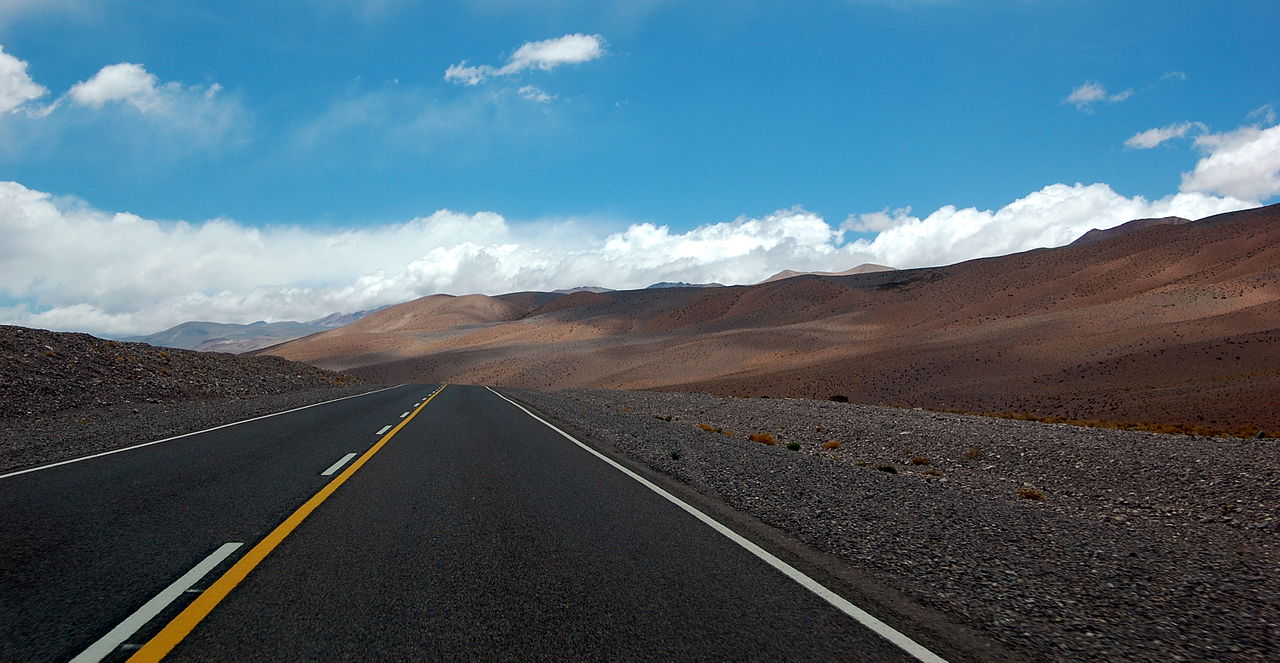
The city of Salta and its surrounding province present a landscape of red-rock canyons and high-altitude deserts. March is a productive time to explore the Calchaquí Valleys, as the weather is mild enough to permit extended drives through the dramatic, arid terrain.
The colonial architecture of the city itself is well-preserved, and the proximity to the elevated salt flats offers a stark contrast to the verdant regions of the north. This is a region for travellers interested in geological formations, indigenous traditions and a desert-like environment that feels distinct from the rest of the country.
7. Ushuaia
Situated at the southern tip of Tierra del Fuego, Ushuaia is the point from which many look towards the Antarctic. In March, the town retains its frontier appeal, with the surrounding coastal mountains and Beagle Channel providing a dramatic maritime backdrop.
The days are still relatively long, allowing for visits to the nearby Tierra del Fuego National Park. While the temperature is distinctly cooler than in the north, the clarity of the air often provides sharp, expansive views of the surrounding water and jagged peaks.
It is a destination for those interested in the maritime history of the region and the unique flora of the sub-Antarctic zone.
8. Puerto Madryn
Located on the Atlantic coast, Puerto Madryn is a primary hub for exploring the Patagonian shoreline. While the peak season for whale watching lies earlier in the year, March is excellent for observing the coastal wildlife, including colonies of sea lions and marine birds.
The coastline is characterised by sweeping bays and rugged cliffs, providing a different experience from the mountain-focused south. The town itself has a relaxed, coastal atmosphere, making it a suitable base for those who want to combine nature observation with time spent by the sea in a non-tropical setting.
9. Córdoba
The city of Córdoba is known for its heritage of Jesuit missions, which are scattered throughout the surrounding Sierras. In March, the central plains and the hilly interior are pleasant for road trips. The town offers a mix of historic architecture and a busy, student-led urban life.
For those seeking an inland alternative to Buenos Aires, Córdoba provides a balance of history and natural access, with the rolling hills providing opportunities for shorter hikes and drives that avoid the more extreme terrain found in the far south or the northern deserts.
10. El Calafate
As the primary gateway to the Perito Moreno Glacier, El Calafate is a worth a visit for its unique glacial landscape. March allows for comfortable viewing from the extensive network of walkways that face the glacier. The sight of the moving ice, set against a backdrop of deep blue water, remains the highlight.
Because it is a significant tourist destination, visiting in the tail end of the season can provide more space at the viewing platforms. The town offers a range of services designed for travellers heading deeper into the southern landscapes, making it a functional and visually impressive base.
Planning and packing for March
Planning a trip to Argentina requires acknowledging its geography; it is rarely practical to combine the tropical north and the sub-Antarctic south in a single trip unless you have extensive time for domestic flights. Focus on one or two regions to maximise your experience.
Packing is a challenge because of the temperature swings. Essential items include layers: a windproof jacket for the south, comfortable walking shoes for city streets and vineyard paths, and lighter clothing for the north.
Do not forget sun protection, as the high-altitude sun in the Andean regions is strong regardless of the cooling air temperatures.
Frequently asked questions
Is it possible to swim in the sea in Argentina in March?
Swimming in the sea is largely confined to the Atlantic coastal areas. By March, the water temperature is beginning to drop in the southern coastal regions like Puerto Madryn.
While the beaches remain pleasant for walking, the sea is generally better suited for observation and water-based excursions rather than extended swimming sessions.
Should I book domestic flights in advance for March?
While March is not the height of the summer holiday season, Argentina is a large country where air travel is the most efficient way to cover significant distances. It is recommended to secure domestic flights well before your trip, particularly for popular routes linking Buenos Aires to regional hubs like El Calafate or Mendoza.
Is March too cold for trekking in Patagonia?
March is considered an excellent time for trekking in Patagonia. While nights become notably colder, the days remain suitable for physical activity. The primary risks, such as excessive wind and sudden snow, are generally lower than in the heart of winter, though you must always be prepared for rapid weather shifts.
Are the wine regions in Mendoza crowded in March?
March coincides with the harvest season, which is a significant event for Mendoza. While the region is busy with local activity and those interested in the wine industry, it does not typically experience the same levels of international tourism as the peak mid-summer months. It is a lively, productive time to visit.
What is the best way to travel between regions?
Domestic flights are the standard for long-distance travel. For shorter distances between cities in central regions, long-distance buses are widely available and often offer a comfortable experience.
Renting a car is often the most rewarding option for exploring specific areas like the wine regions or the mountain valleys of Salta.
Is the north of Argentina humid in March?
The northern subtropical region remains warmer and more humid than the rest of the country. However, as March progresses, the extreme humidity of the height of summer begins to taper off. Visitors should still expect tropical conditions, but the intensity is generally lower than in January or February.
Can I see wildlife in March?
March is a productive month for wildlife observation. In the south, marine life remains visible along the Patagonian coast. In the national parks of the mountain regions, you may spot Andean wildlife, particularly if you venture away from the main tourist paths. The lower visitor numbers compared to summer can make viewing more solitary.
Which destination is better for a cultural city break?
Buenos Aires is the premier choice for a cultural city break, offering an extensive range of museums, historic neighbourhoods and a unique urban atmosphere. While Córdoba is also a strong candidate with its Jesuit history, Buenos Aires provides the depth and variety required for a longer, city-focused holiday.
Final thoughts
Choose Buenos Aires if your priority is a city-focused holiday defined by architecture, café culture and history, as the cooling March weather makes the city much more walkable. Conversely, choose Mendoza if you prefer a mix of outdoor scenery and high-quality local production, specifically to witness the activity of the grape harvest against the backdrop of the Andes.
Both offer distinct experiences that benefit from the stable, transitional climate of the month.
Weather, opening times and transport details in this guide were correct as far as we could check. Always confirm directly before you travel.
Planning a March trip? The Our Hidden Earth map has 300,000+ verified hidden gems across 230 countries. Find the quiet places near wherever you are heading.
More guides to Argentina.